Livelihoods
Farm Livelihoods
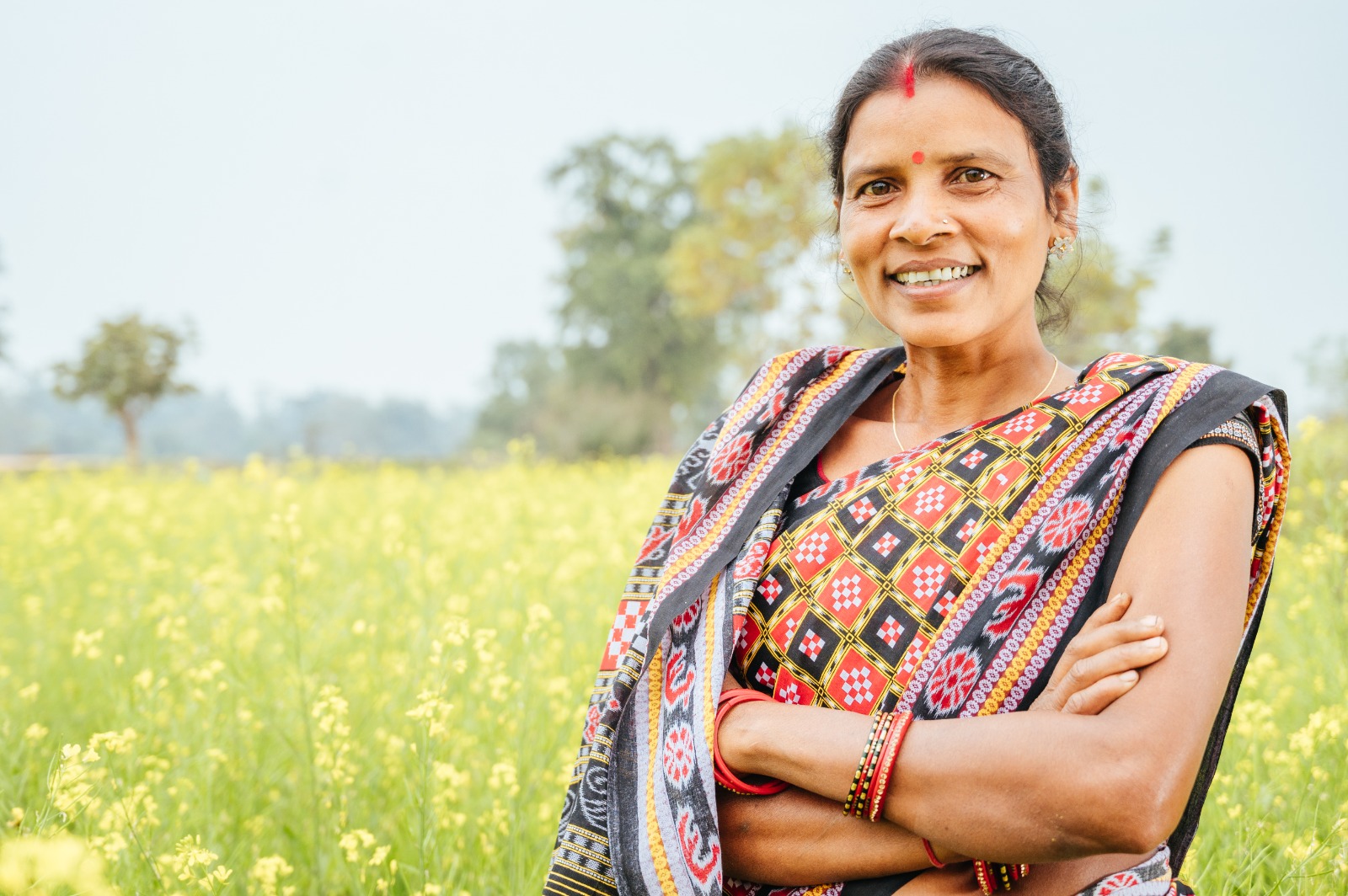
Farm livelihoods play a vital role in the rural economy, particularly for small and marginal farmers, women farmers, and vulnerable households whose livelihoods depend on agriculture and allied activities. It promotes sustainable farm and allied livelihood activities to enhance household income, strengthen food and nutrition security, and improve the resilience of rural communities.
Through women’s Self-Help Groups (SHGs) and producers’ collectives like Producer Groups (PG)/ Farmer Producer Organizations (FPO), Producer Companies (PCs)/Producer Enterprises (PE), etc., OLM facilitates access to technical knowledge, improved agricultural practices, farm mechanisation, livestock & fisheries interventions, financial linkage and market linkage, etc.
Read MoreKey Interventions
- 1. Promotion of Agro-Ecological Practices
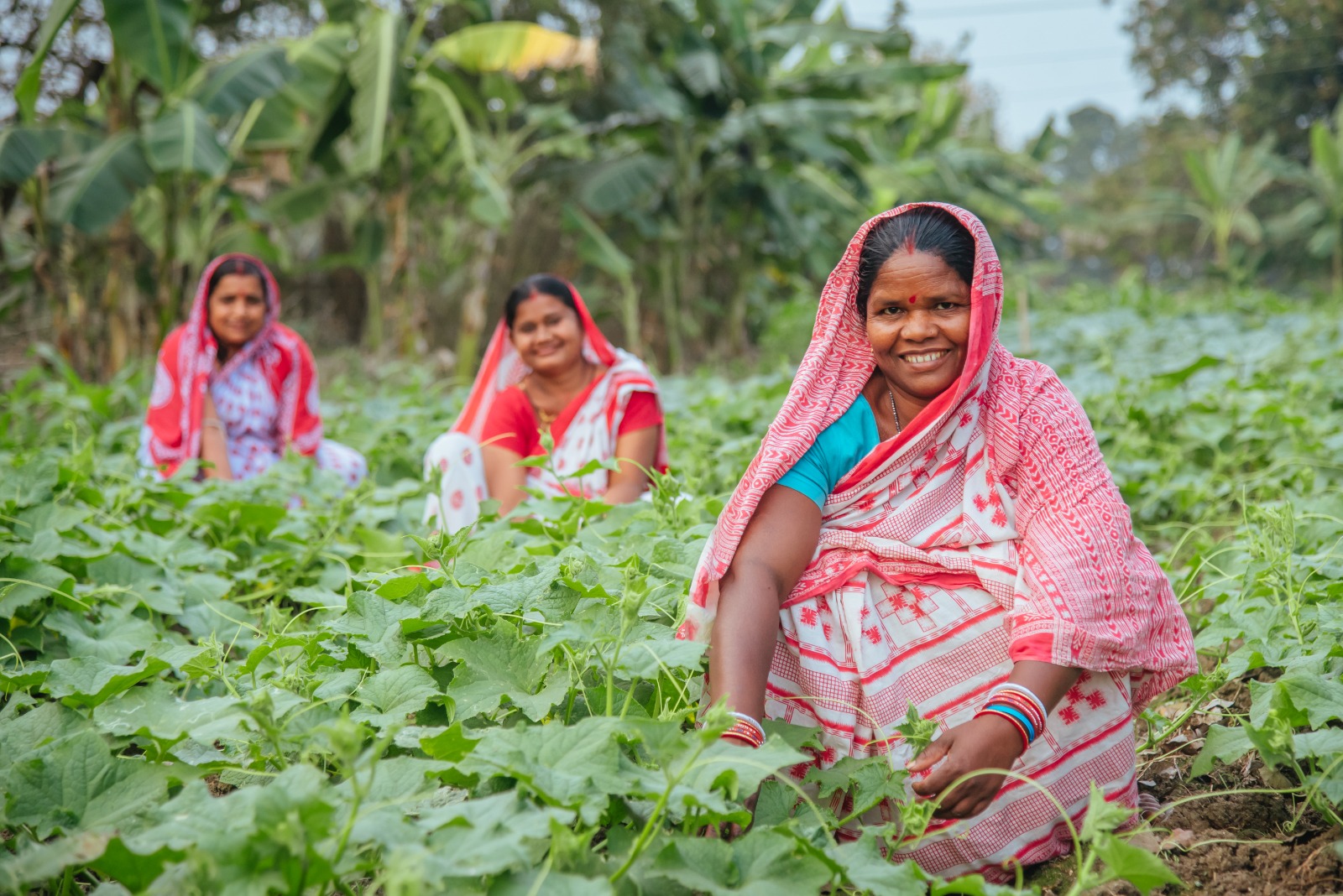
OLM promotes sustainable and climate-resilient agricultural practices to improve farm productivity, reduce dependence on costly external inputs, and conserve natural resources. Interventions include improved crop management, soil and water conservation, ecological pest management, diversified cropping systems, horticulture, and other locally suitable agricultural practices. - 2. Agriculture, Horticulture and Allied Livelihoods
The Mission supports rural households in strengthening and diversifying their farm-based livelihoods through agriculture, horticulture, livestock rearing, and fisheries. These interventions aim to enhance production, improve household food and nutrition security, and generate additional and sustainable income opportunities. - 3. Livestock and Fisheries Development
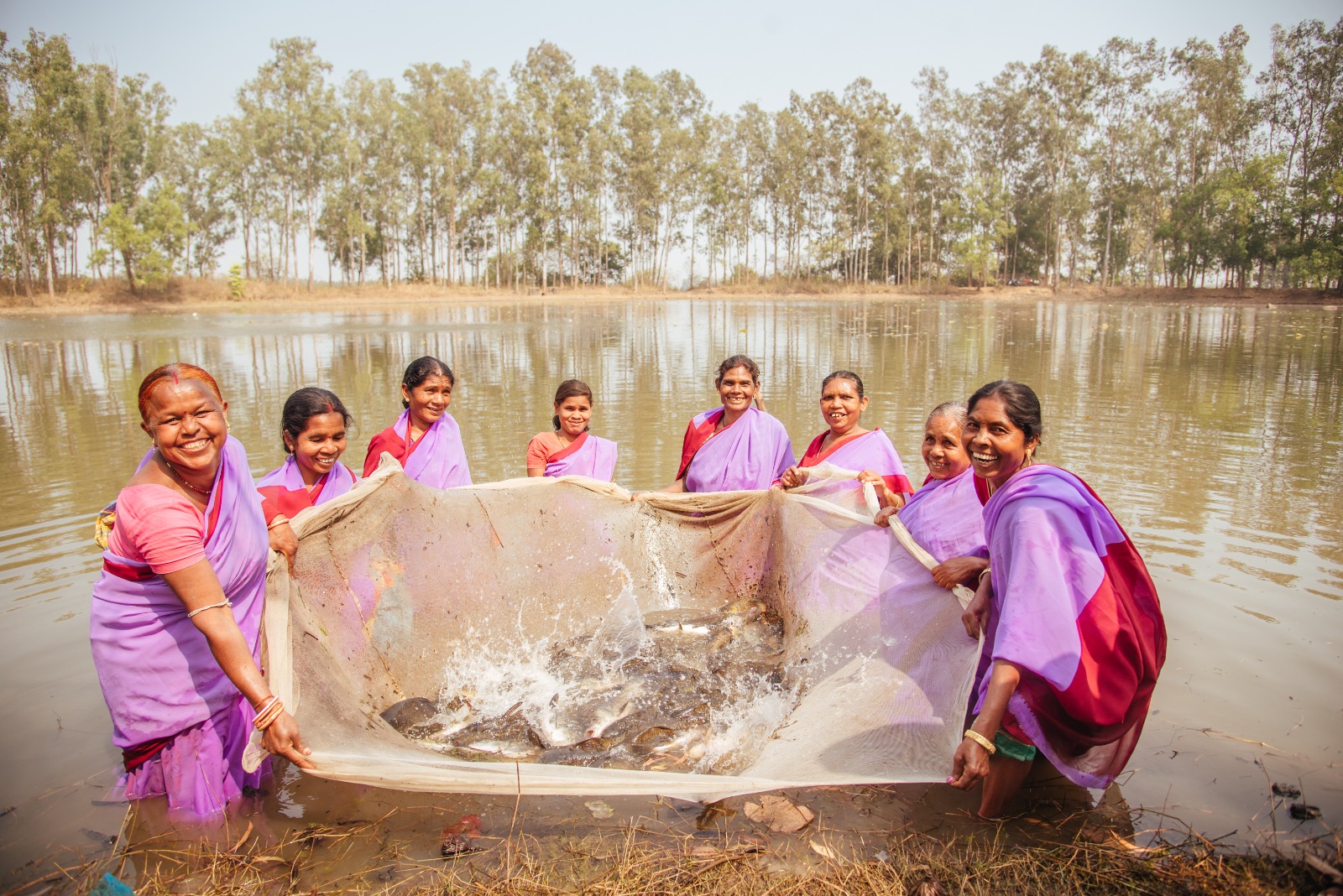
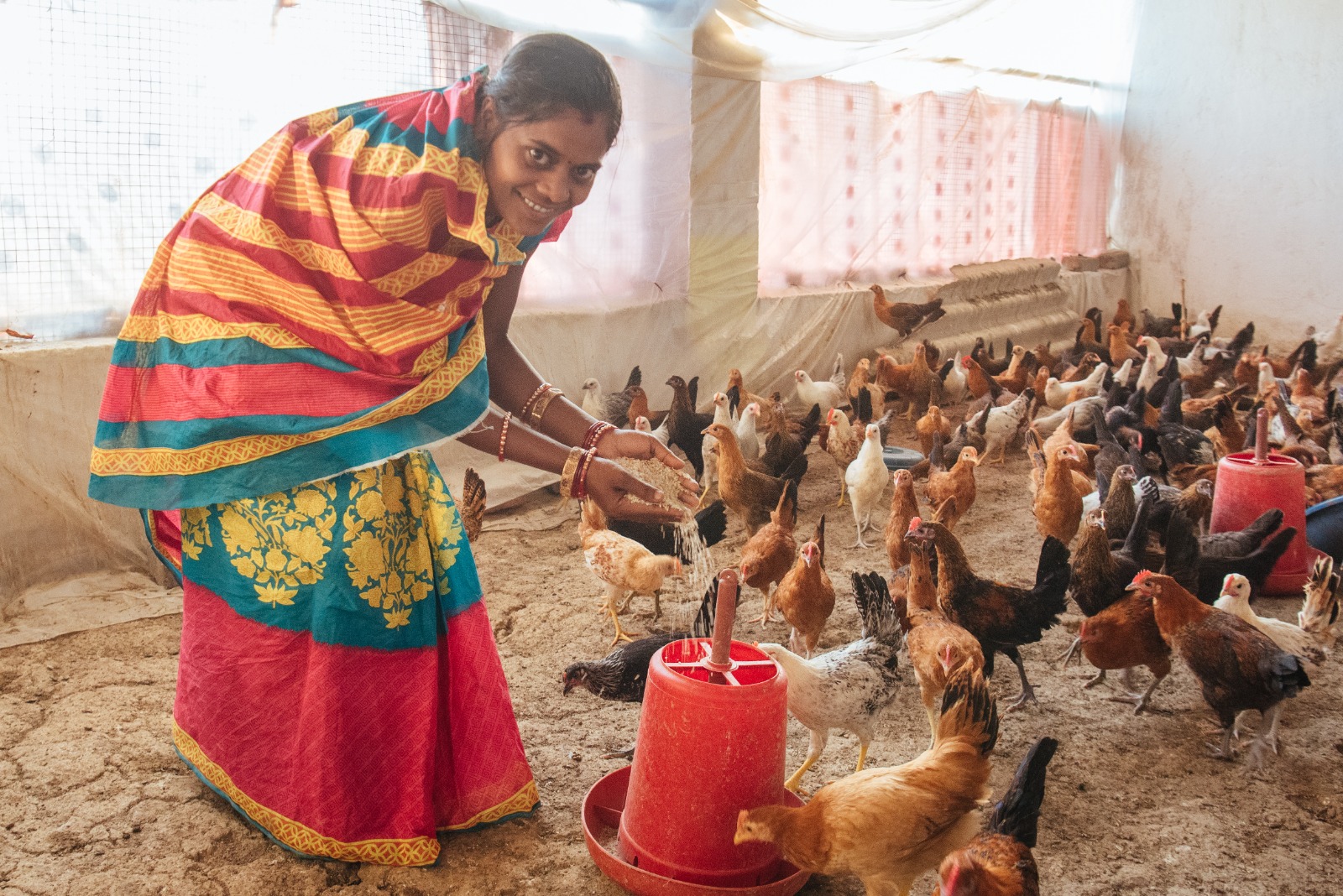
OLM facilitates livestock-based livelihoods promotion, including dairy, goat rearing, poultry, and other locally suitable activities, along with fisheries development. Emphasis is placed on improved animal husbandry practices, scientific feeding, suitable housing, preventive animal healthcare, vaccination, and deworming, supported by technical guidance and convergence with relevant departments. - 4. Climate-Resilient Agriculture and Farm Mechanisation
The Mission encourages climate-resilient farming practices to help rural households manage climate-related risks and sustain agricultural production. Farm mechanisation is promoted, mostly be providing agricultural equipment on rental by the Common Facility Centres (CFCs), to improve the timeliness and efficiency of farm operations, reduce drudgery—particularly for women farmers—and facilitate access to appropriate agricultural equipment and technologies. - 5. Community-Based Technical Support
OLM strengthens community-level extension services through Community Support Staff (CSS), such as Krushi Mitras and Prani Mitras, as well as the Livelihoods Support Persons (LSP). They facilitate the dissemination of improved agricultural and livestock practices, provide technical guidance, promote awareness, and support rural households in adopting appropriate livelihood interventions. - 6. Promotion of Producer Collectives
Producer Groups (PGs) and Producer Companies(PCs) are promoted to enable farmers to organise collectively, improve economies of scale, access inputs and services, aggregate produce, and strengthen their bargaining power in the market. These collectives help connect individual producers with organised markets and emerging business opportunities. - 7. Value Chain Development and Market Linkages
The Mission promotes value chain development by facilitating linkages across production, aggregation, grading, processing, storage, transportation, and marketing, as appropriate to the commodity and local context. These efforts aim to reduce post-harvest losses, improve market access, enhance value realisation, and strengthen the economic sustainability of farm-based enterprises. - 8. Convergence and Partnerships
OLM works in close collaboration with relevant government departments, including the Department of Agriculture and Farmers’ Empowerment, Fisheries and Animal Resources Development Department, ST & SC Development Department, departments dealing with minority communities and backward classes, Energy Department, and Panchayati Raj & Drinking Water Department. Partnership with non-governmental organisations (NGOs), CGIAR organisations, academic institutions, and civil society organisations further supports technical capacity building, innovation, and implementation of livelihood interventions. - 9. Others
Through integrated farm and allied livelihood interventions, OLM seeks to empower women farmers, strengthen community institutions, promote sustainable production systems, and expand market-oriented livelihood opportunities. By combining improved farming practices, community-based technical support, collective action, and convergence with government and development partners, the Mission aims to build resilient rural livelihoods and contribute to enhanced household income, food and nutrition security, and inclusive rural development across Odisha.
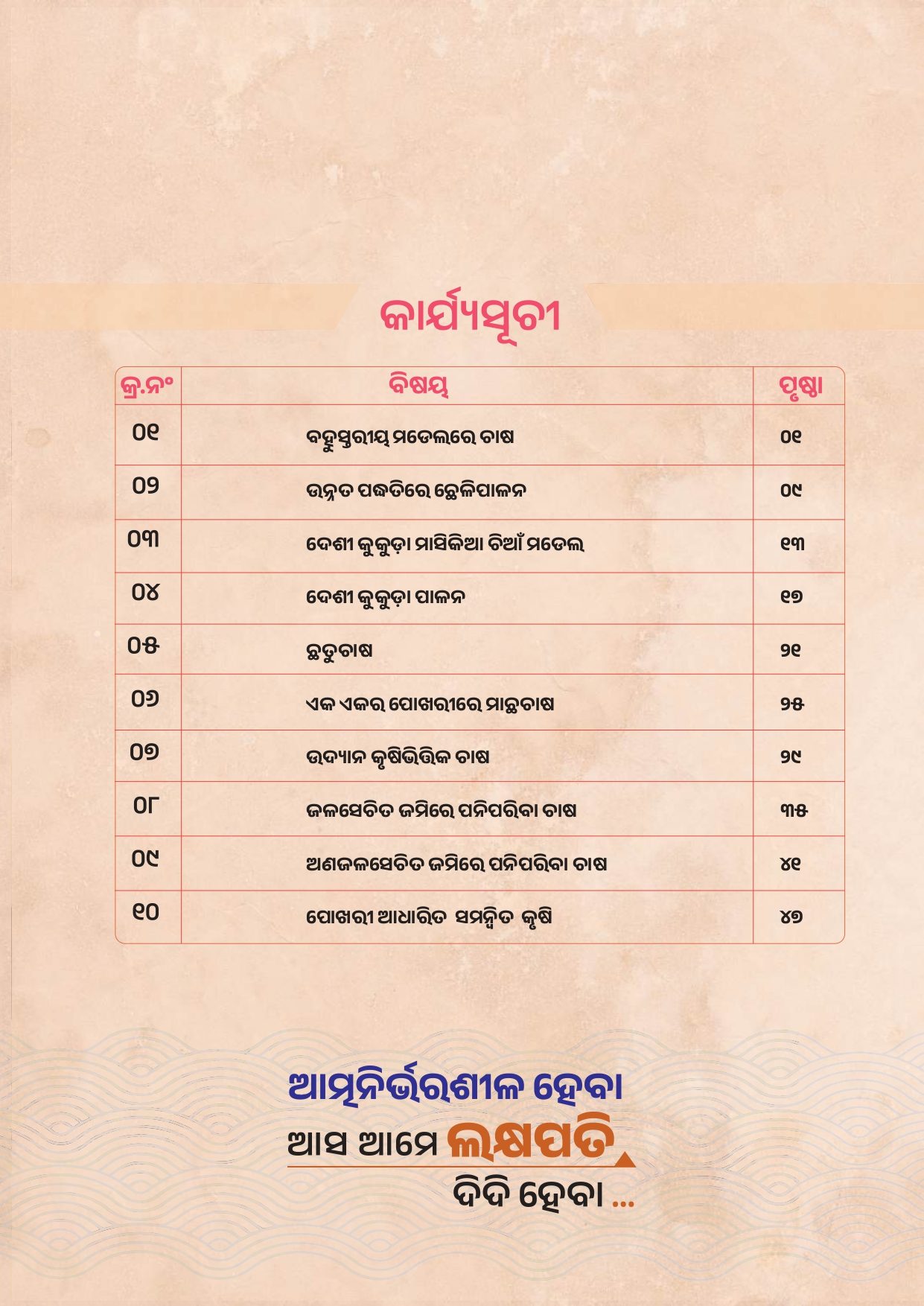
Farm Livelihoods
Common Facility Centre (CFC)
PGs & PCs
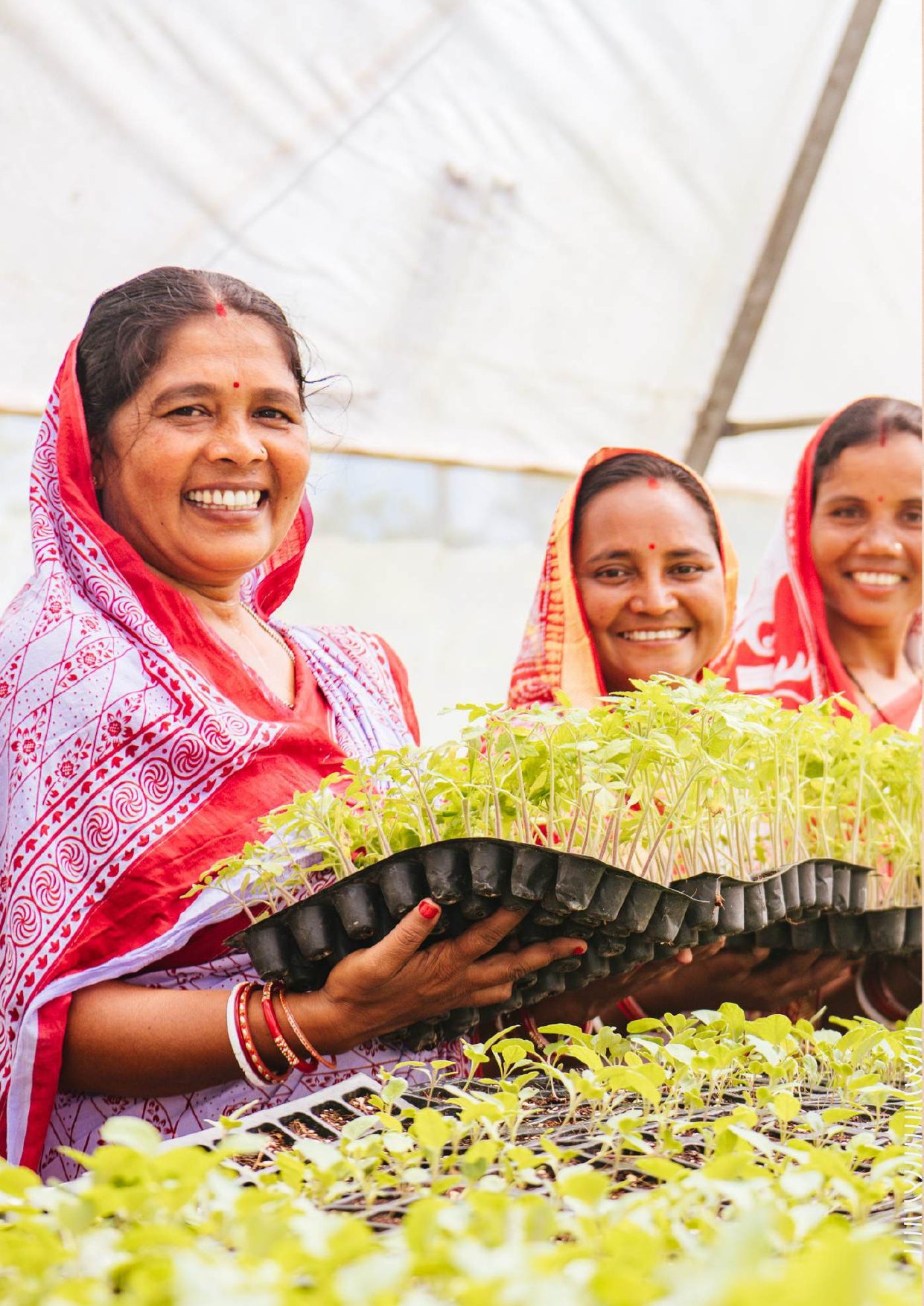
Agri Nutri Garden
Organic Farming
Natural Farming
Farm
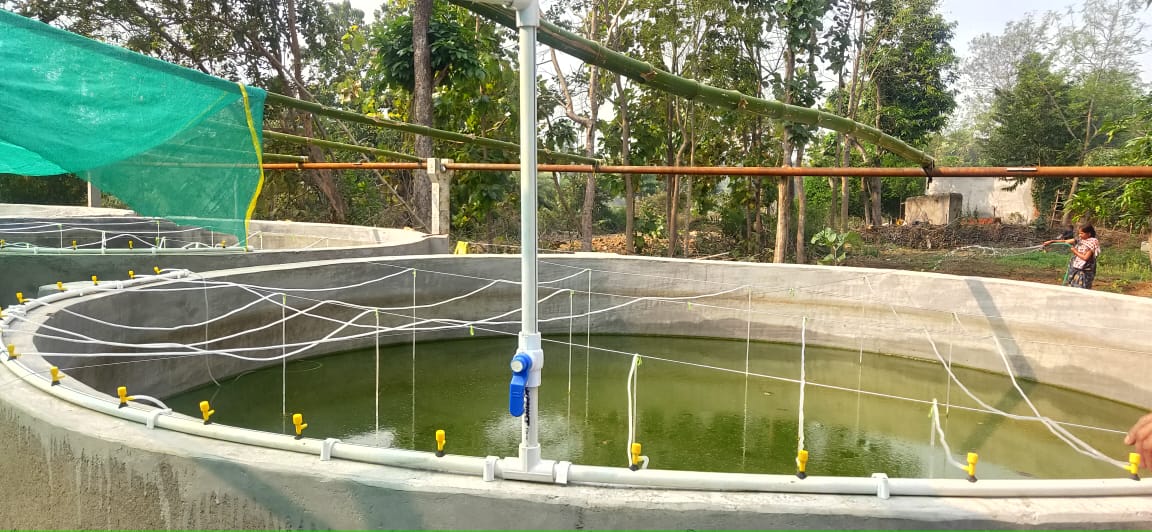
Biofloc
Farming
Pisiculture
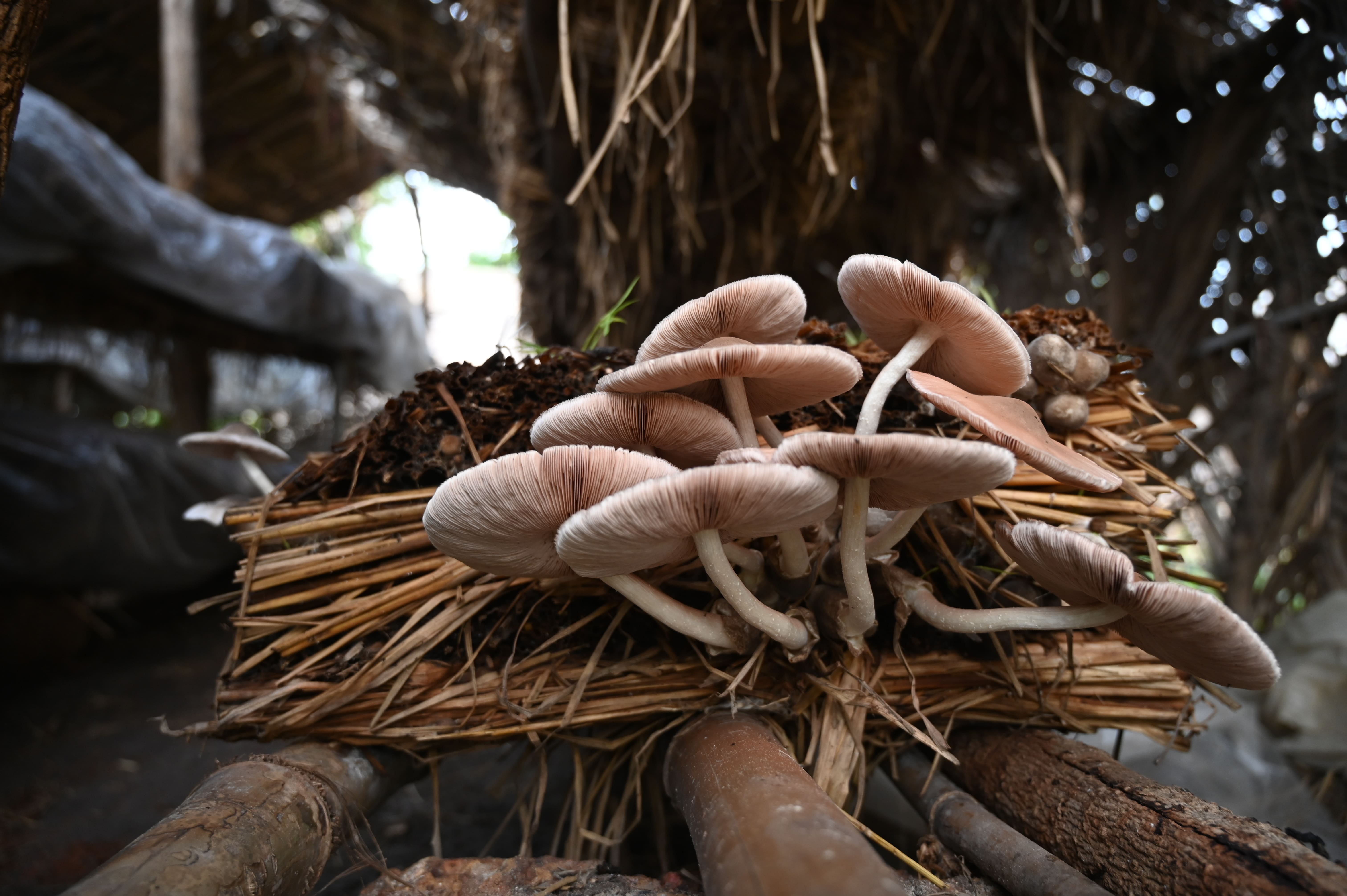
Mushroom Farming
Poultry
Non-Farm Livelihoods
- Non-farm livelihoods refer to income-generating activities outside agriculture and allied sectors that help rural households diversify their income sources, promote sustainable self-employment and encourage entrepreneurship. Under the Odisha Livelihoods Mission (OLM), non-farm livelihood promotion focuses on developing rural enterprises, strengthening traditional occupations, building entrepreneurial capacity and improving access to finance and markets.
- 2. Key Activities under the Non-Farm Sector
- A. Food Processing and Allied Value-Addition Activities
- Turmeric powder and other spice processing
- Pickle, papad and snack production
- Masala preparation and packaging
- Milk and dairy products
- Other locally viable food-processing activities, subject to applicable food safety and licensing requirements
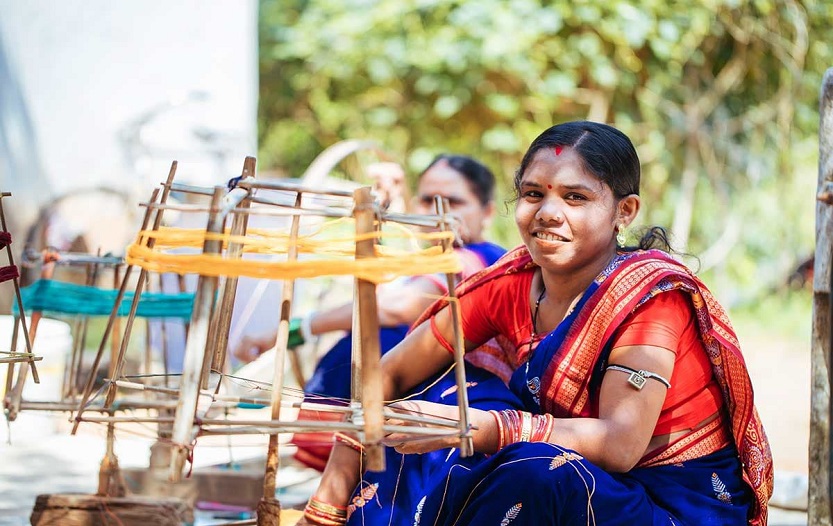
- B. Handloom and Textile-Based Activities
- Tailoring and stitching units
- Sambalpuri and Ikat textiles
- Tussar silk products
- Embroidery and other traditional textile crafts
- Other locally established weaving and textile-based enterprises
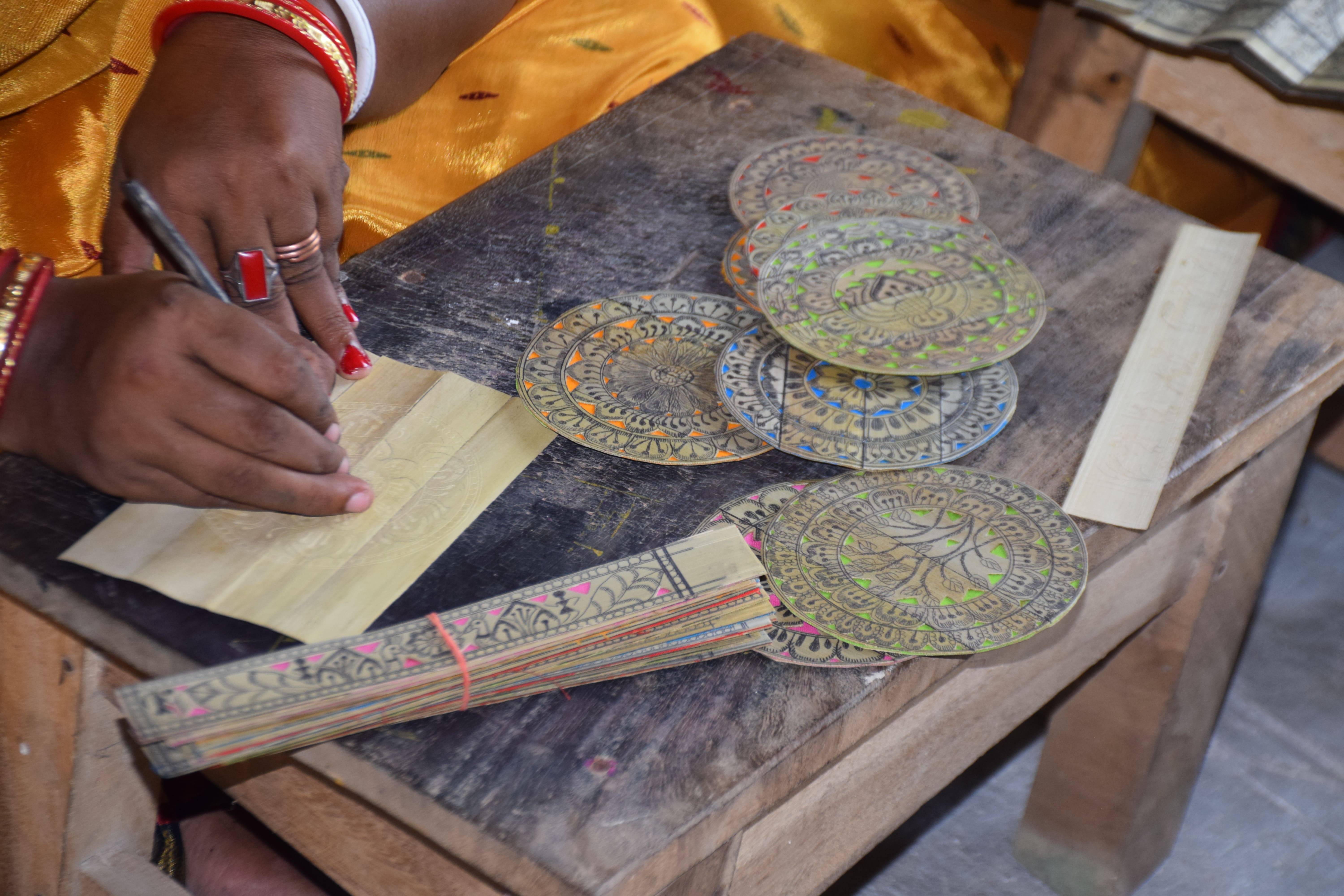
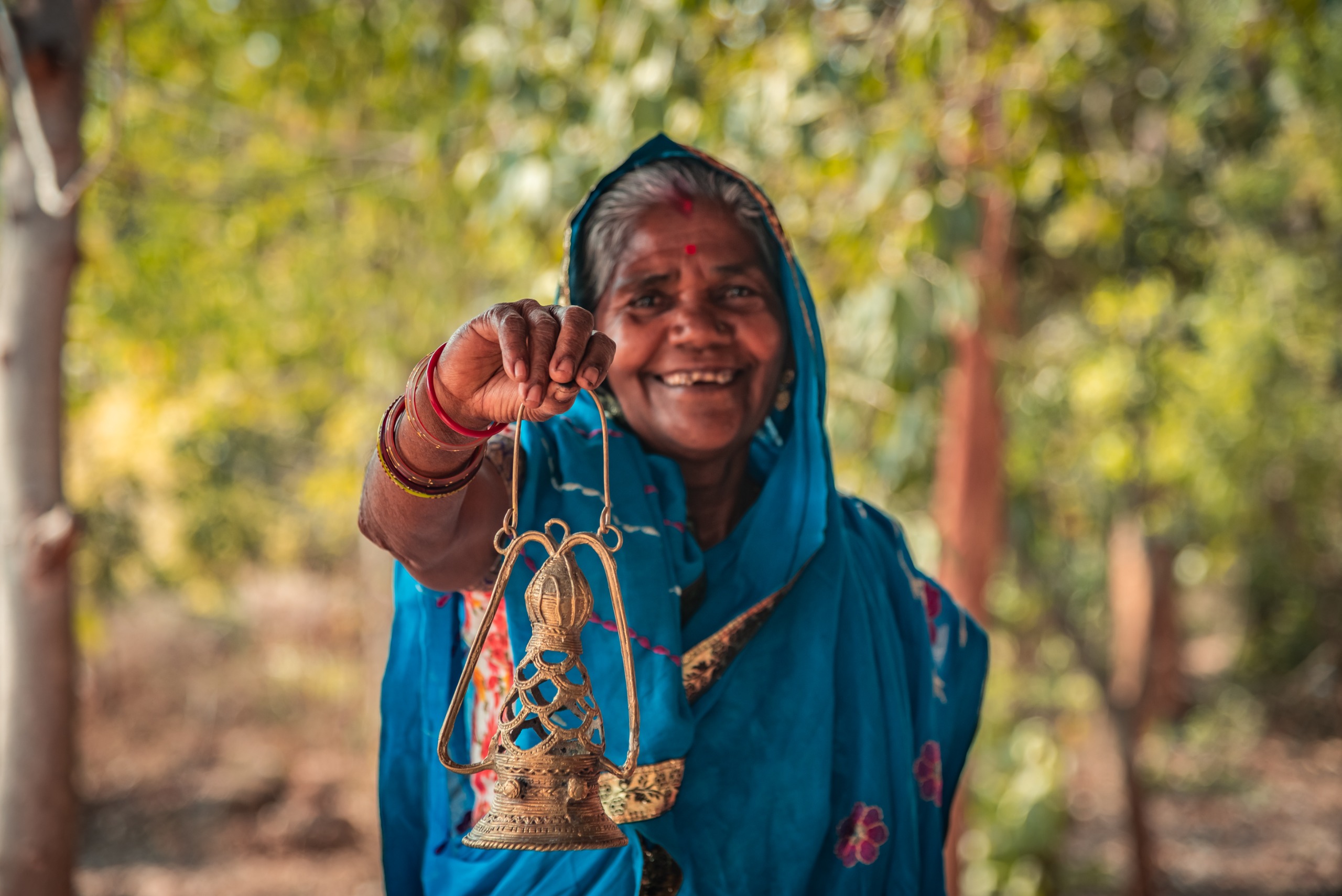
- C. Handicrafts and Artisan-Based Activities
- Coir-based products
- Lac-based products
- Home décor and decorative products
- Woodcraft and stonecraft
- Other traditional handicrafts and locally marketable artisan products
- These activities are illustrative and may be selected based on local skills, resource availability, market demand and the feasibility of the proposed enterprise.
- OLM may facilitate the following forms of support, subject to the applicable scheme guidelines and approved project provisions:
- Identification and selection of potential entrepreneurs.
- Enterprise planning, establishment and handholding support.
- Entrepreneurship development training and capacity building.
- Credit linkage for working capital and productive assets.
- Facilitation of eligible financial assistance through the Community Investment Fund (CIF), Community Enterprise Fund (CEF), bank linkage and other applicable financing mechanisms.
- Business Development Services, including business planning, bookkeeping, pricing and enterprise management.
- Skill development and trade-based training according to market demand.
- Identification of artisans and mapping of potential production clusters.
- Product development, design improvement and diversification.
- Branding, packaging, quality improvement and market linkages.
- Facilitation of convergence with relevant government schemes and technical support institutions.
- Identification and support to potential entrepreneurs.
- Handholding support for enterprise planning and setup.
- Training and capacity building on entrepreneurship.
- Credit linkage for working capital and asset creation.
- Funding support under Community Investment Fund (CIF) & Community Enterprises Fund (CEF).
- Business Development Services.
- Training on various trades as per market demand.
- Identification of artisans and mapping of clusters.
- Training, design development, and product diversification.
- Market linkages and branding of traditional crafts.
Non-Farm
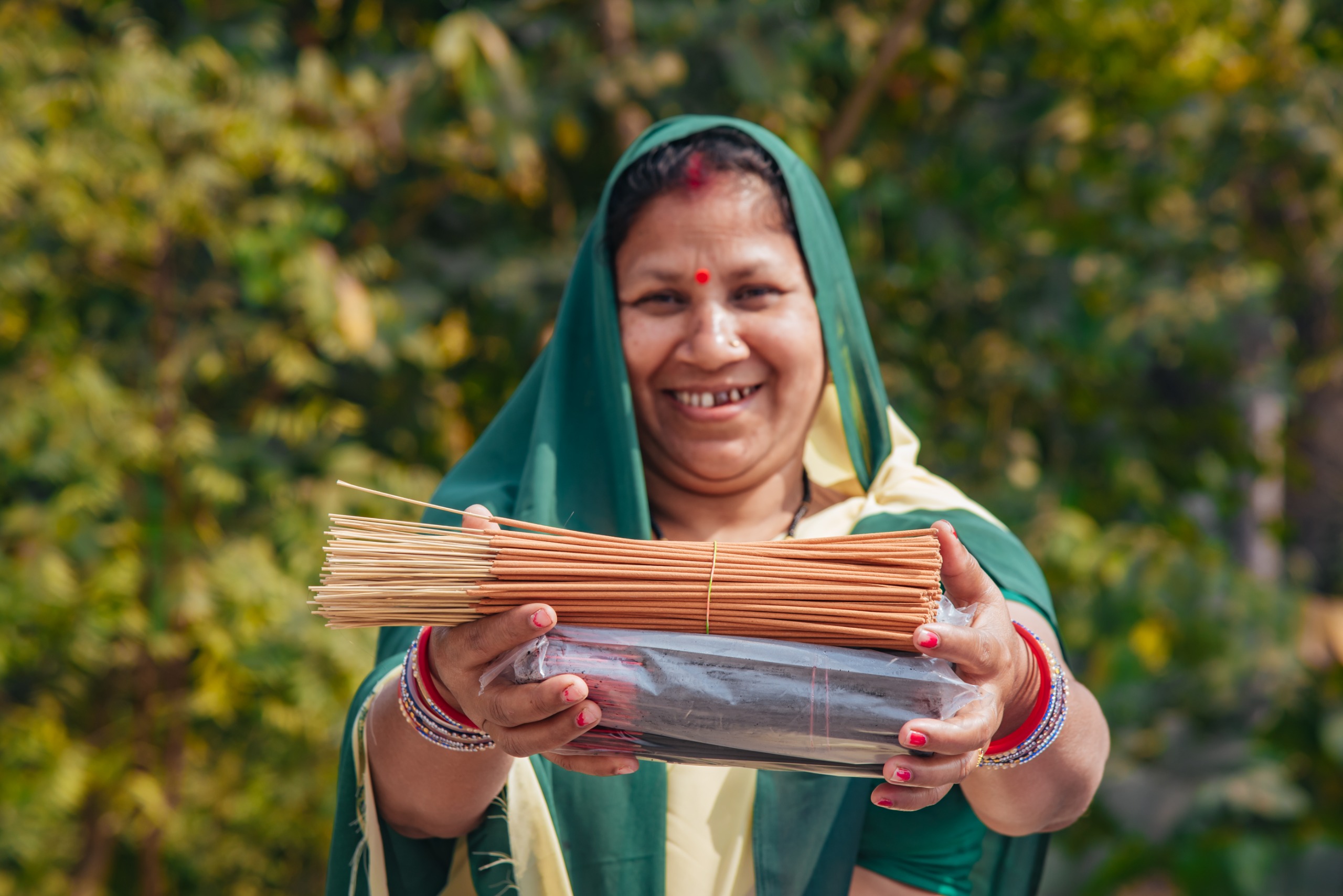
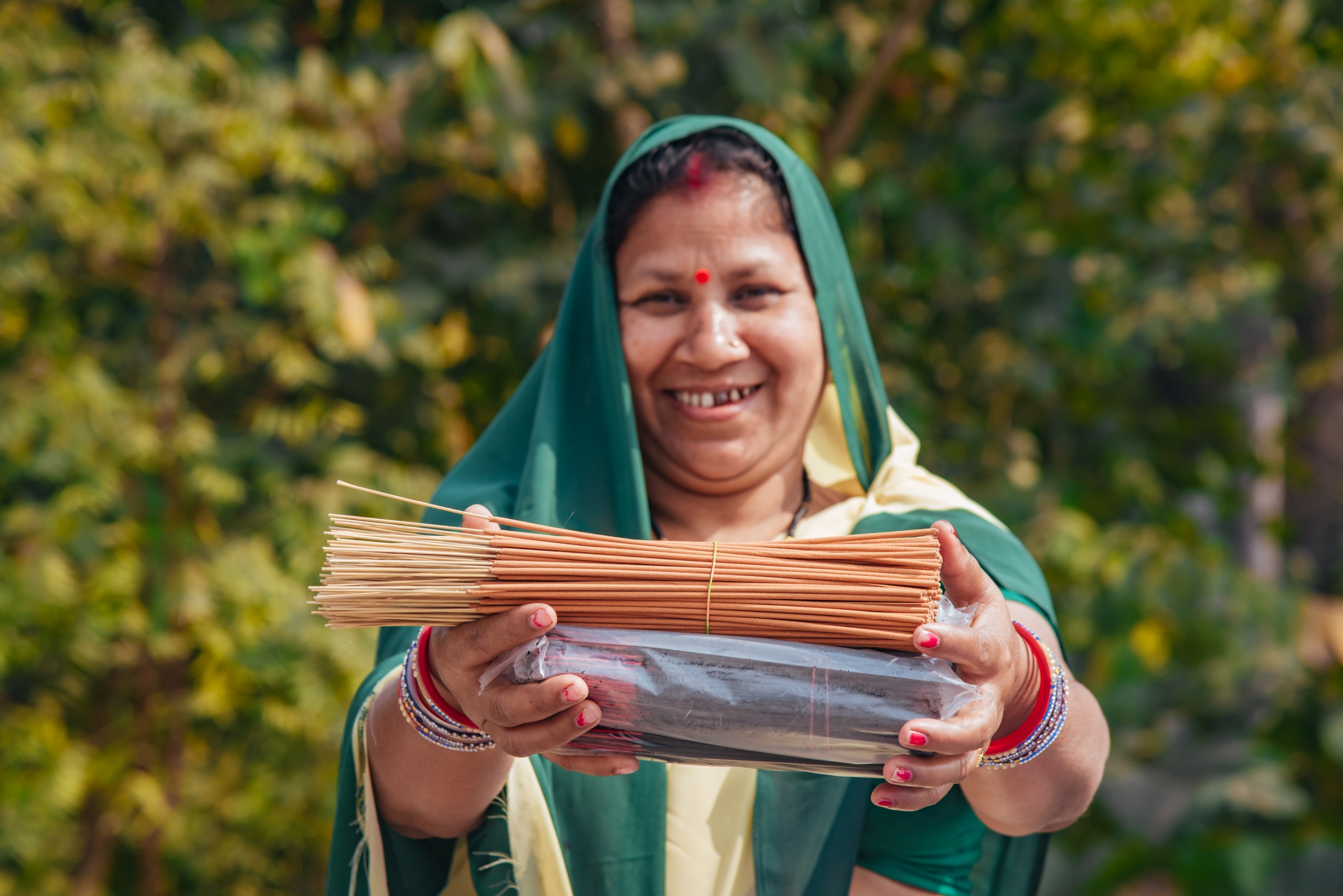
Agarbati
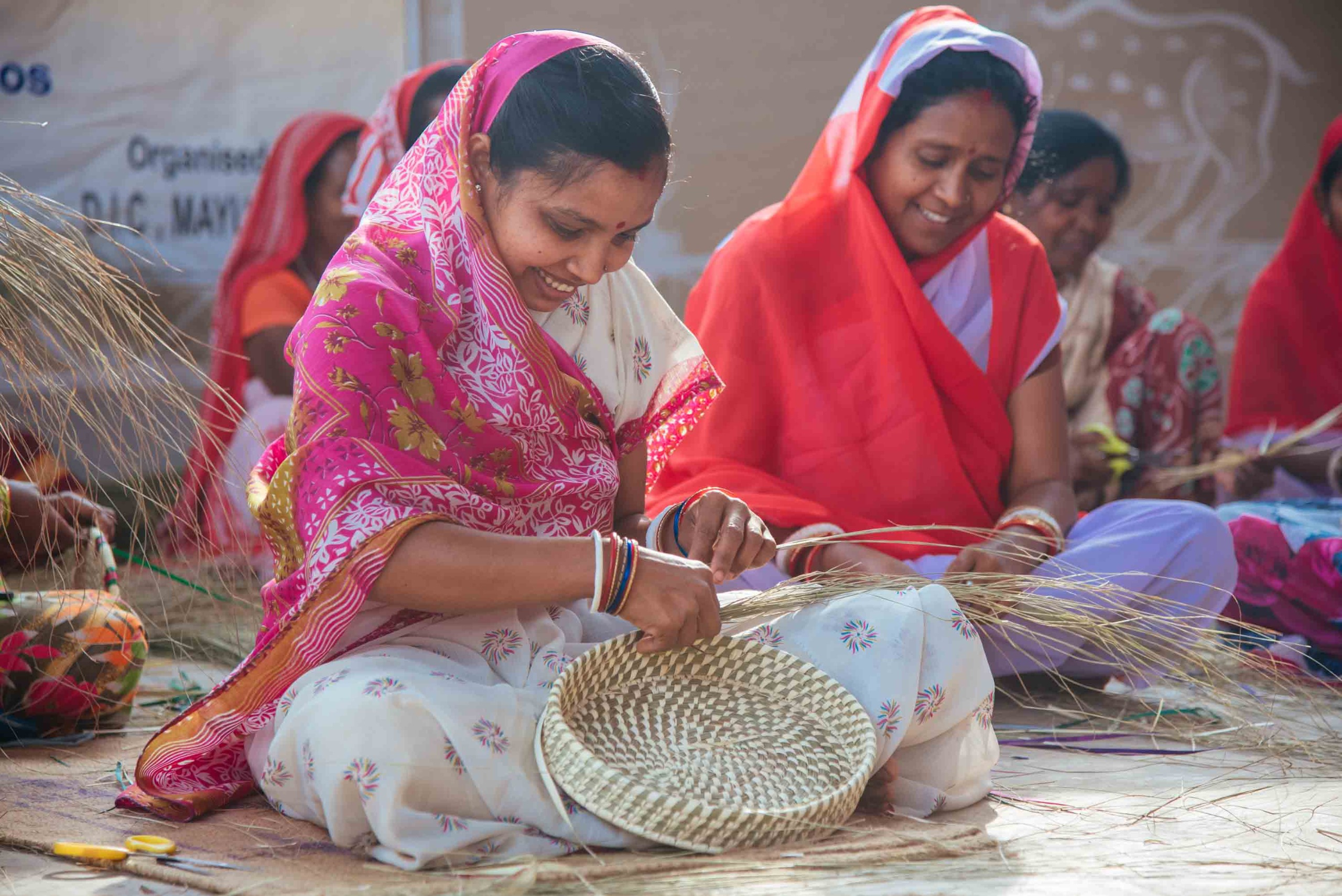
Sabai Grass
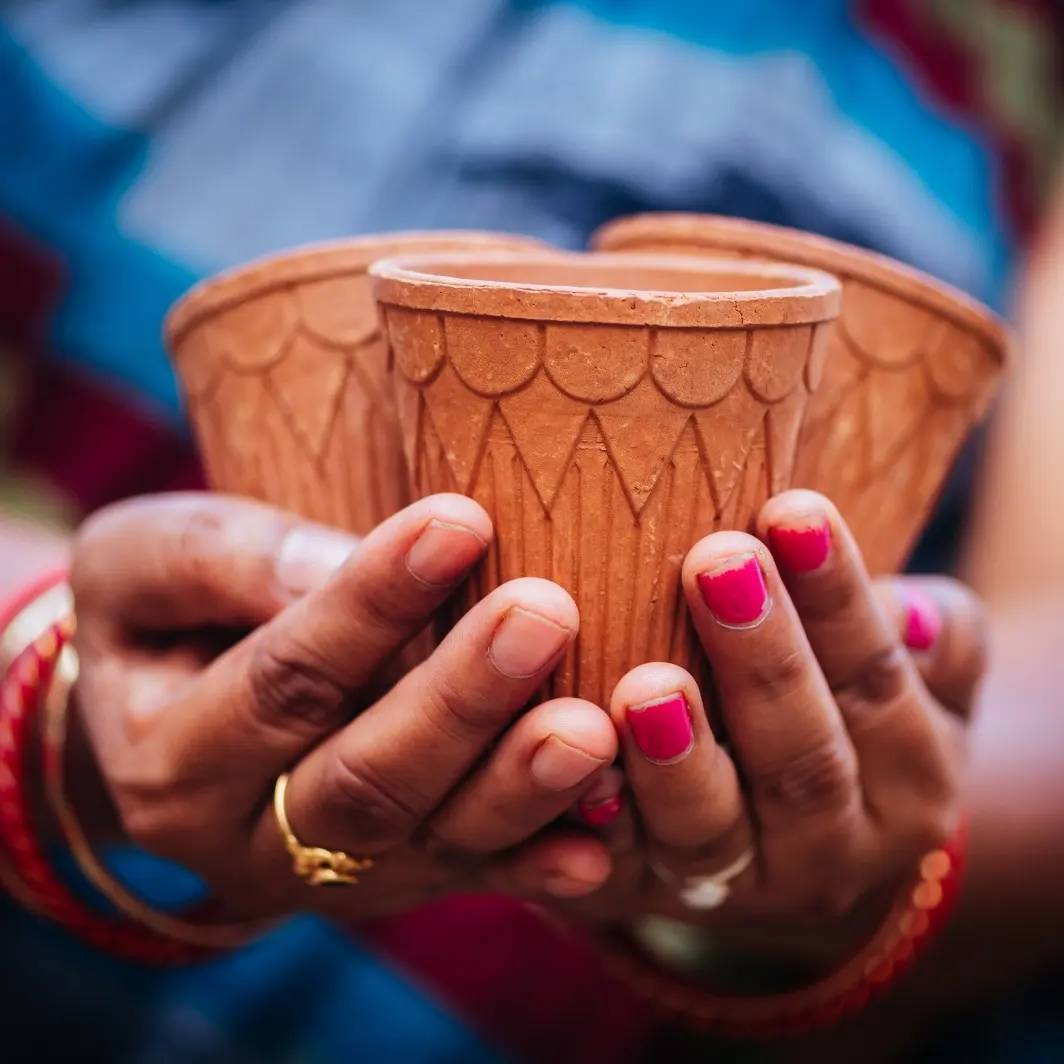
Terracota
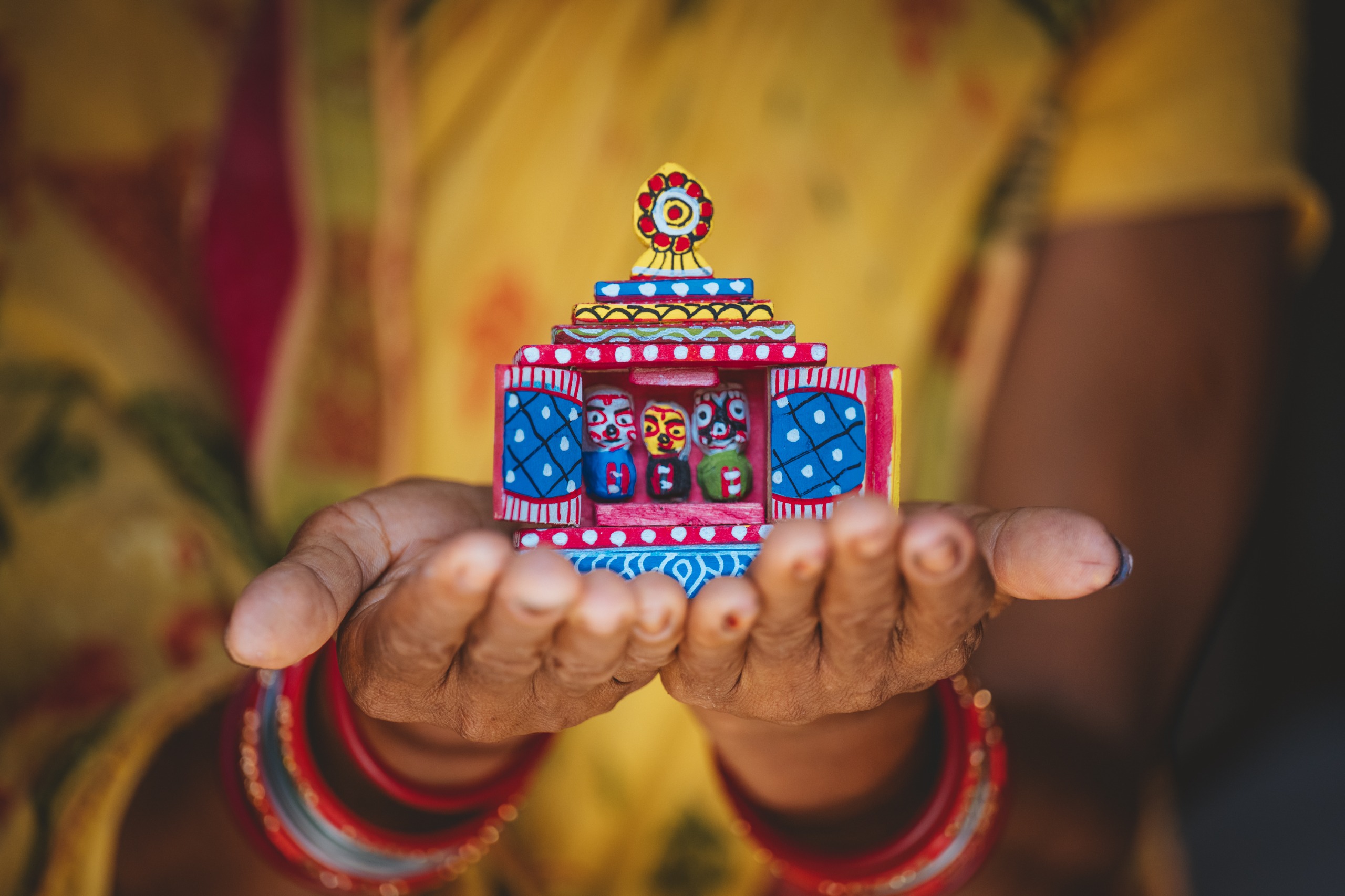
Wooden Craft
Pattachitra
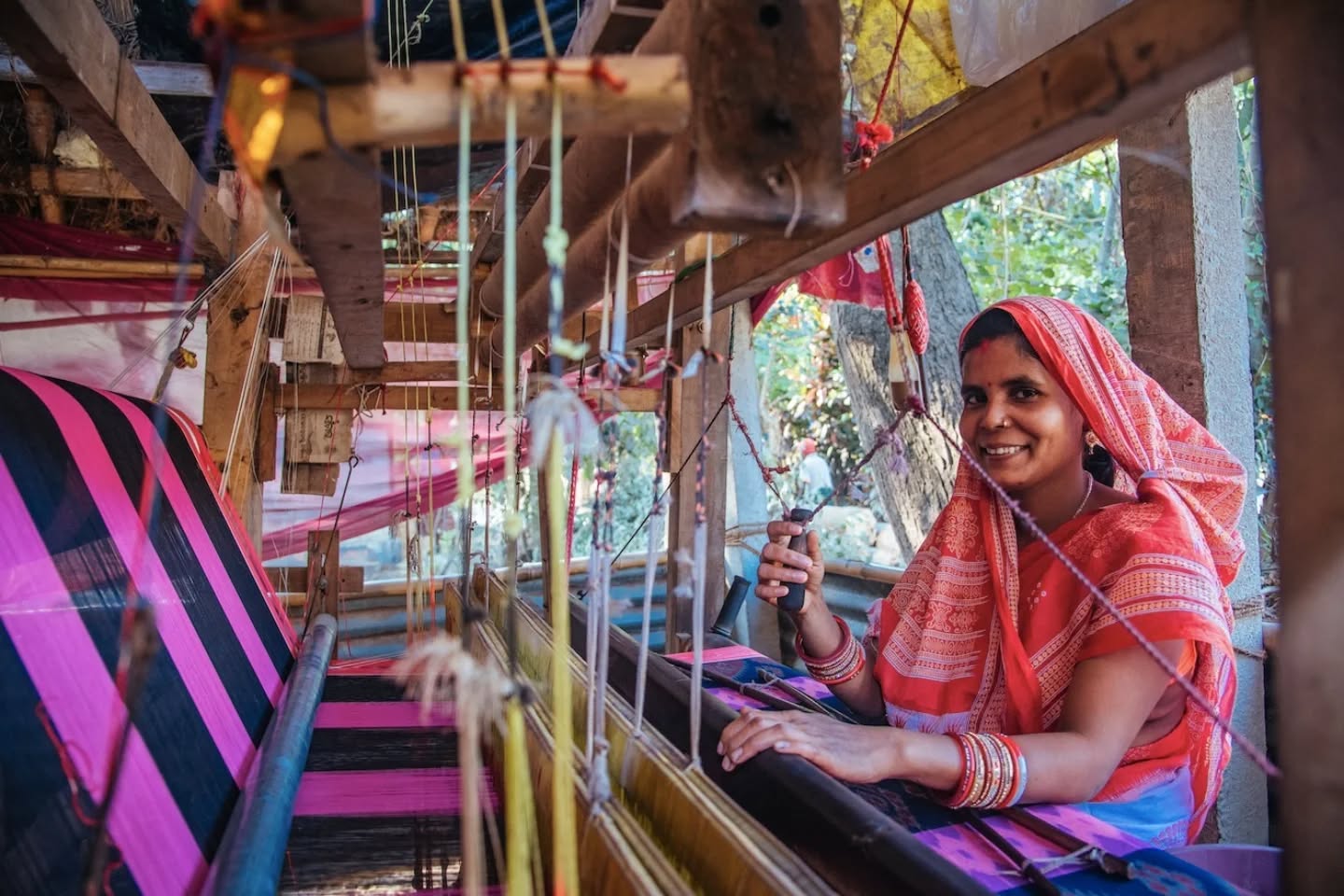
Handloom