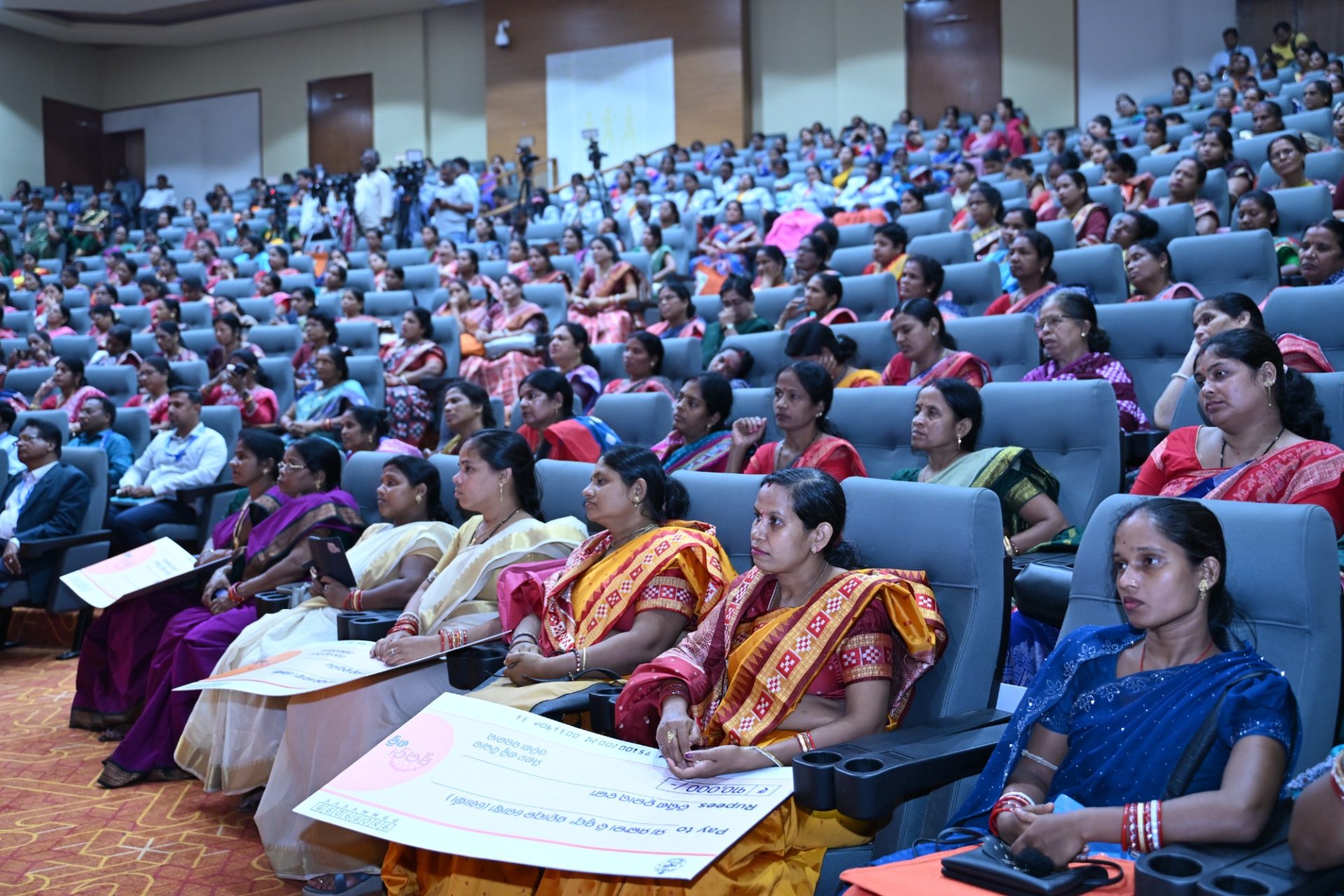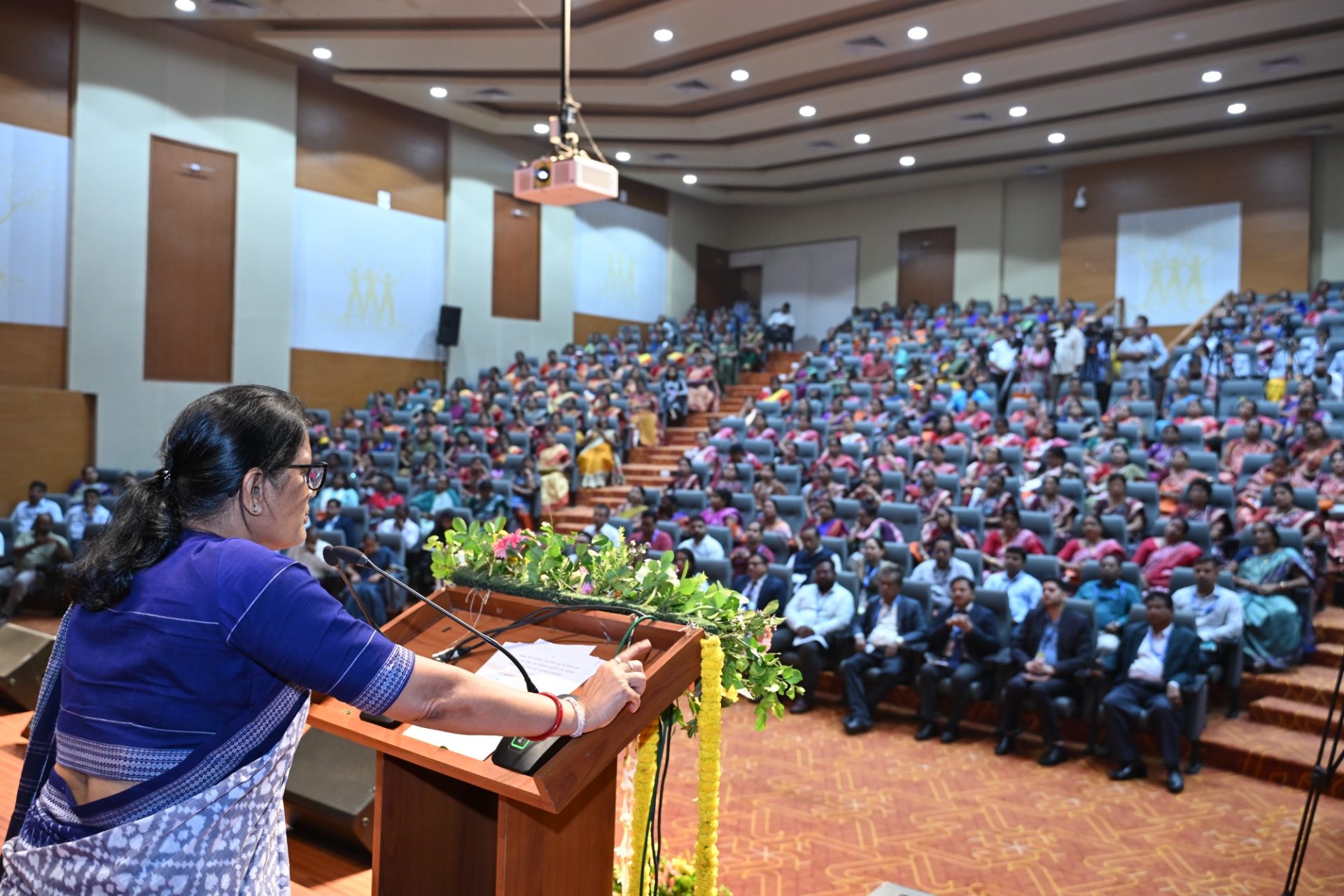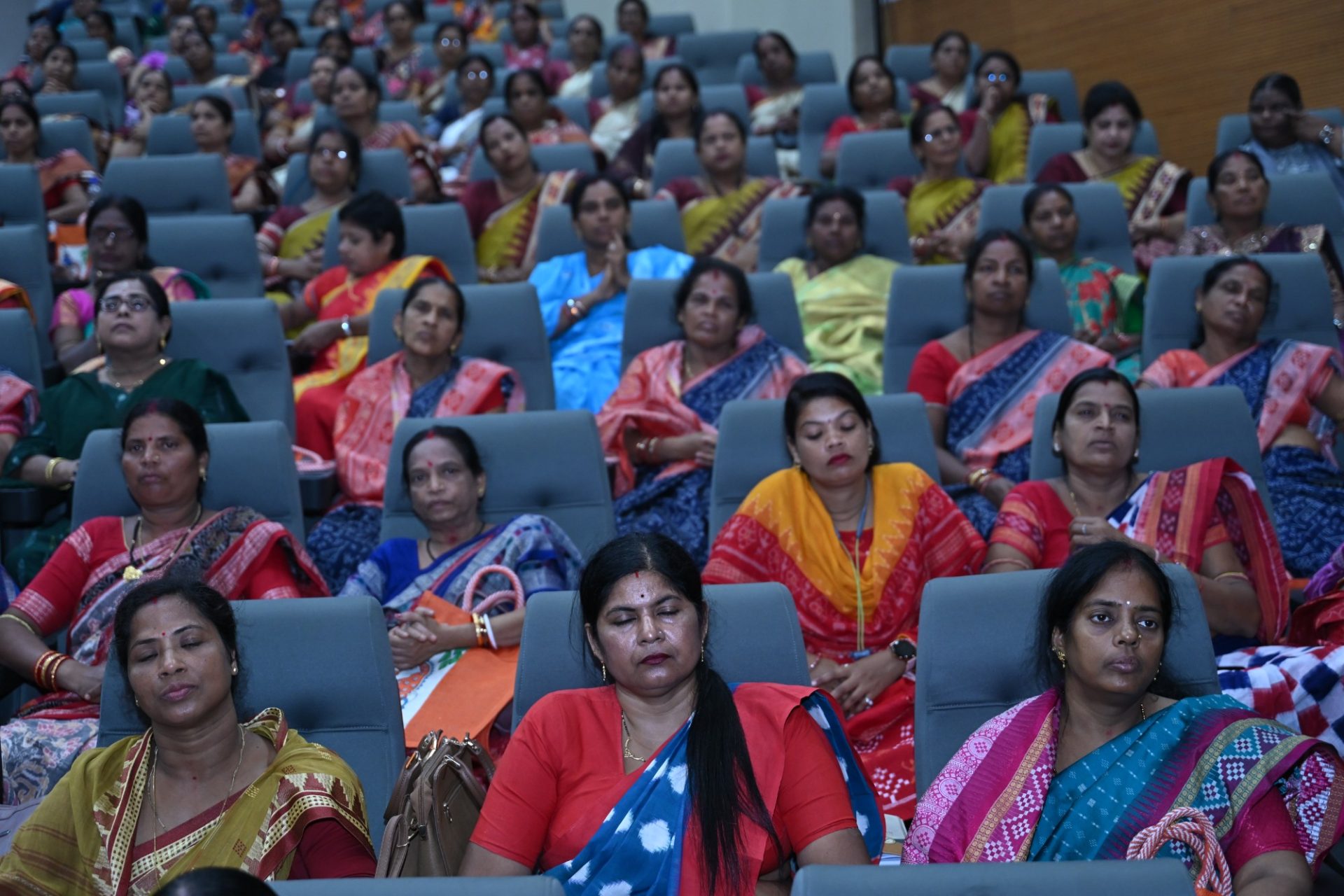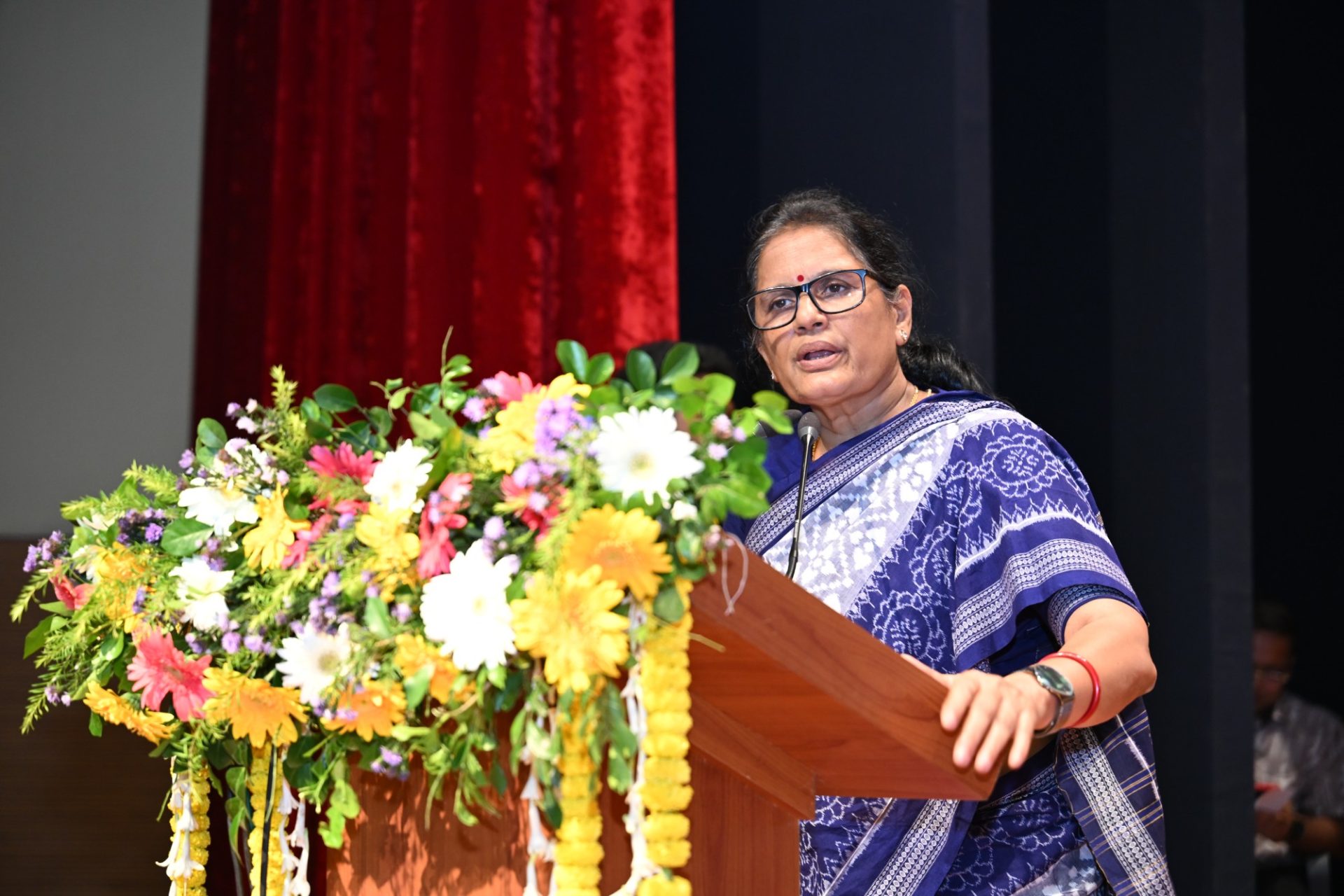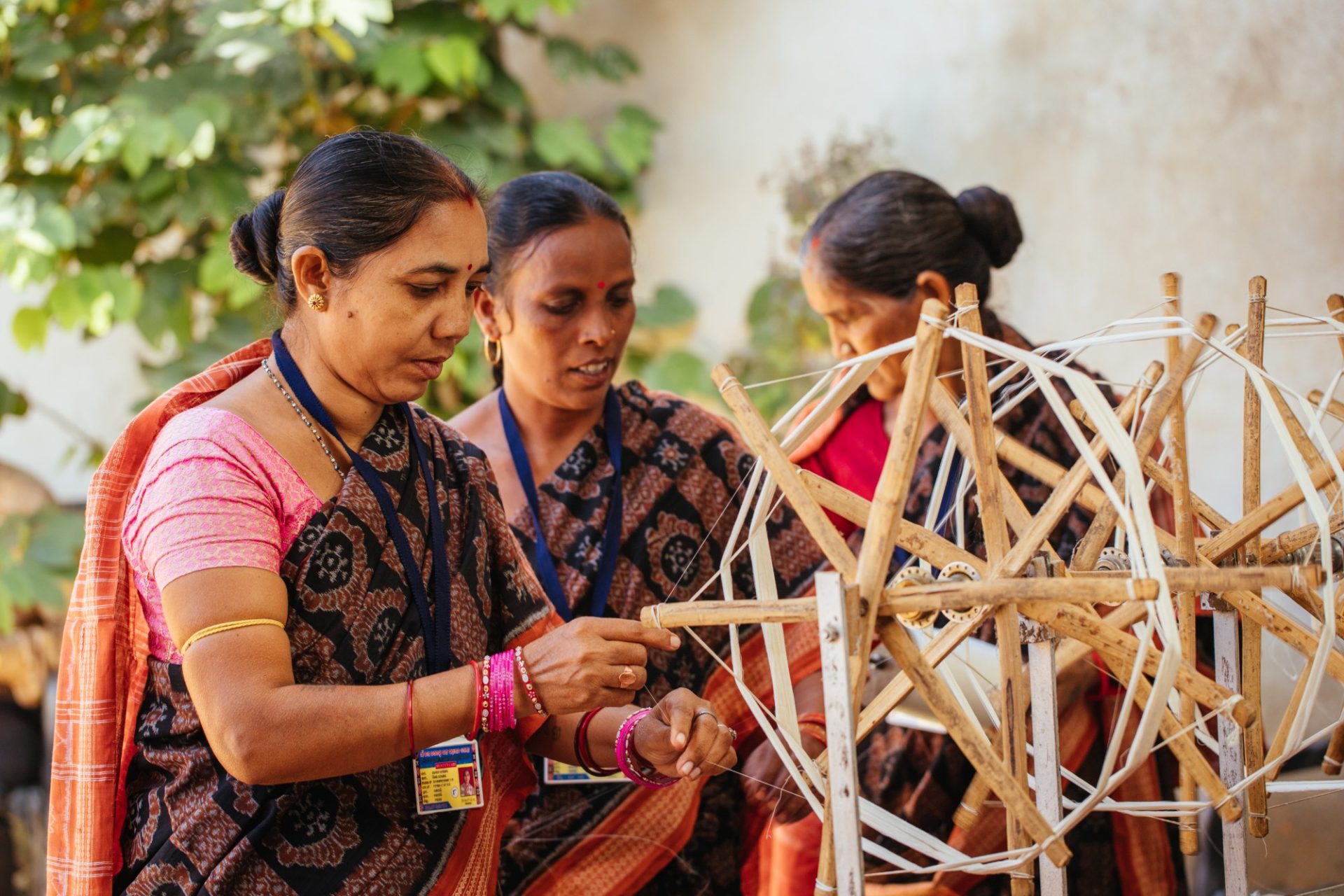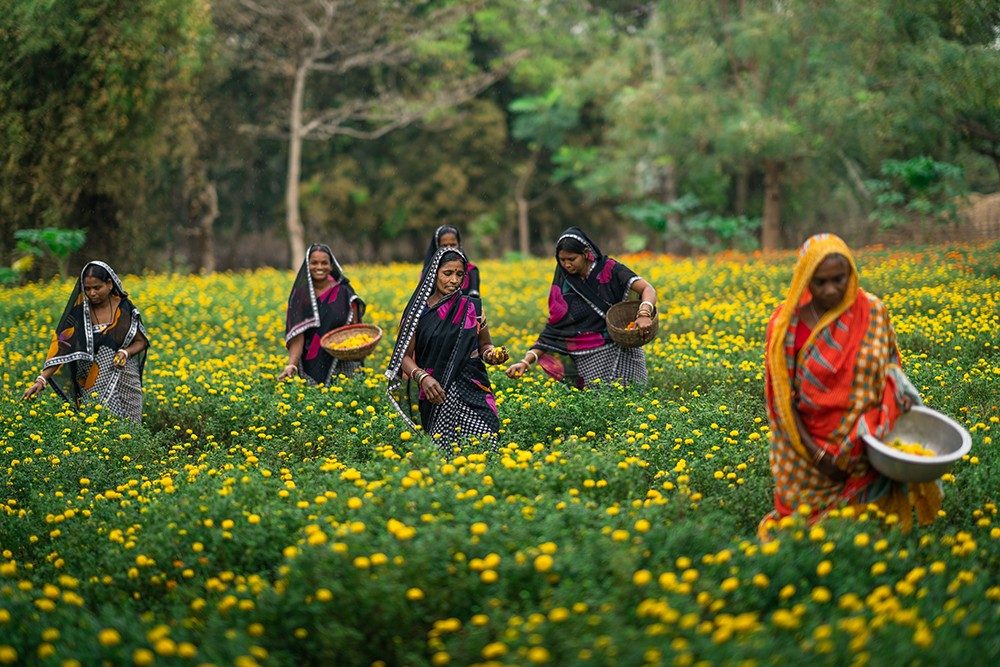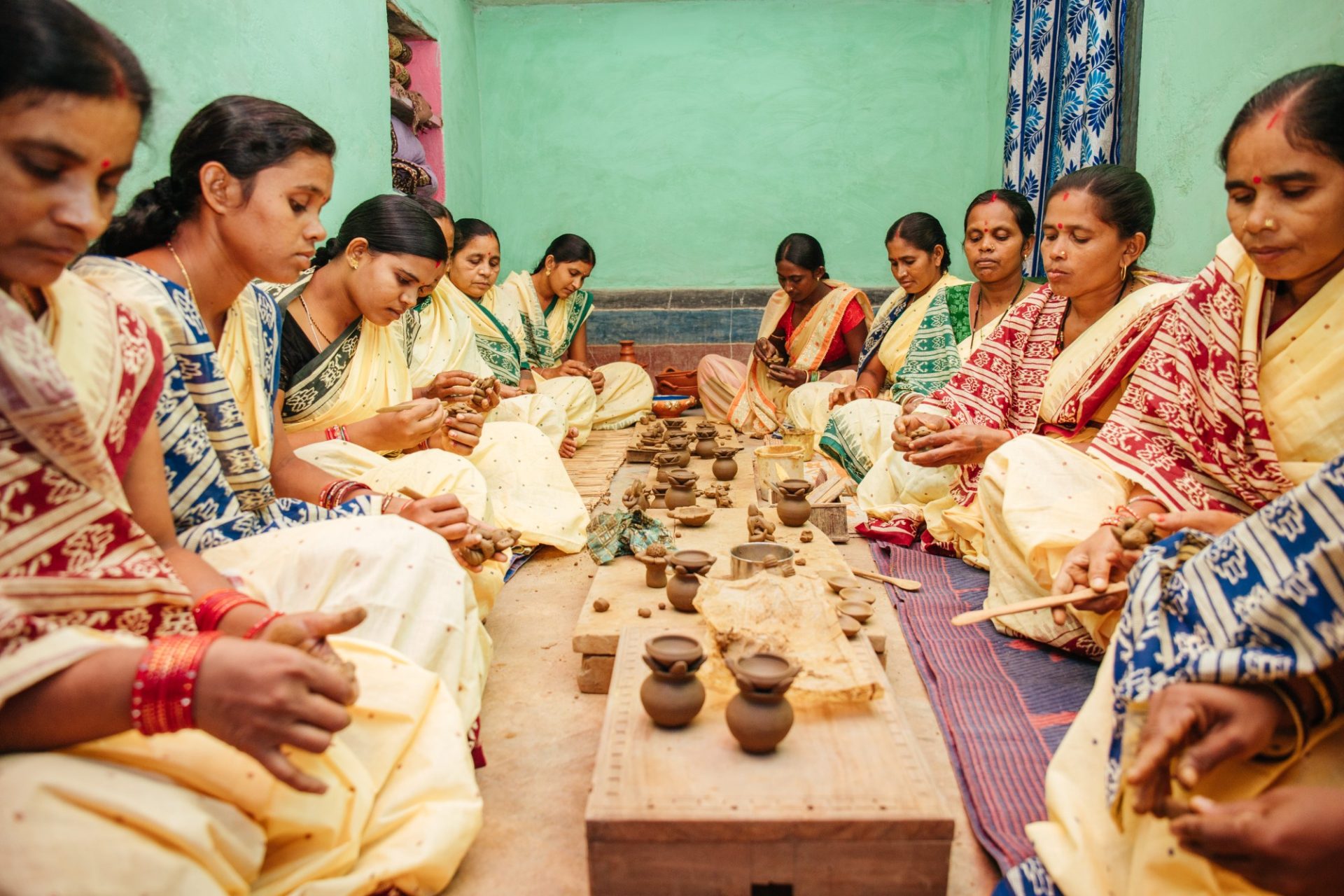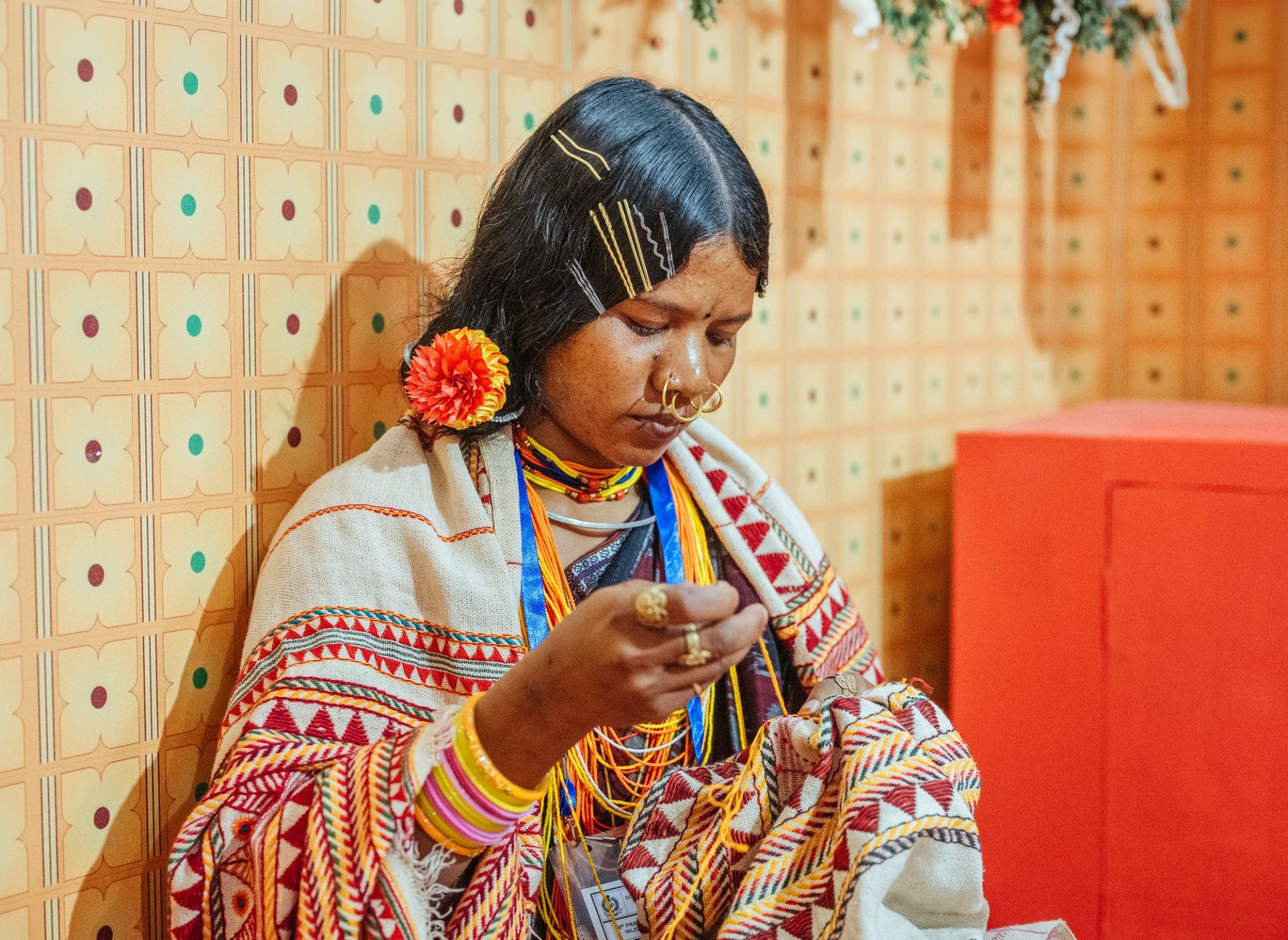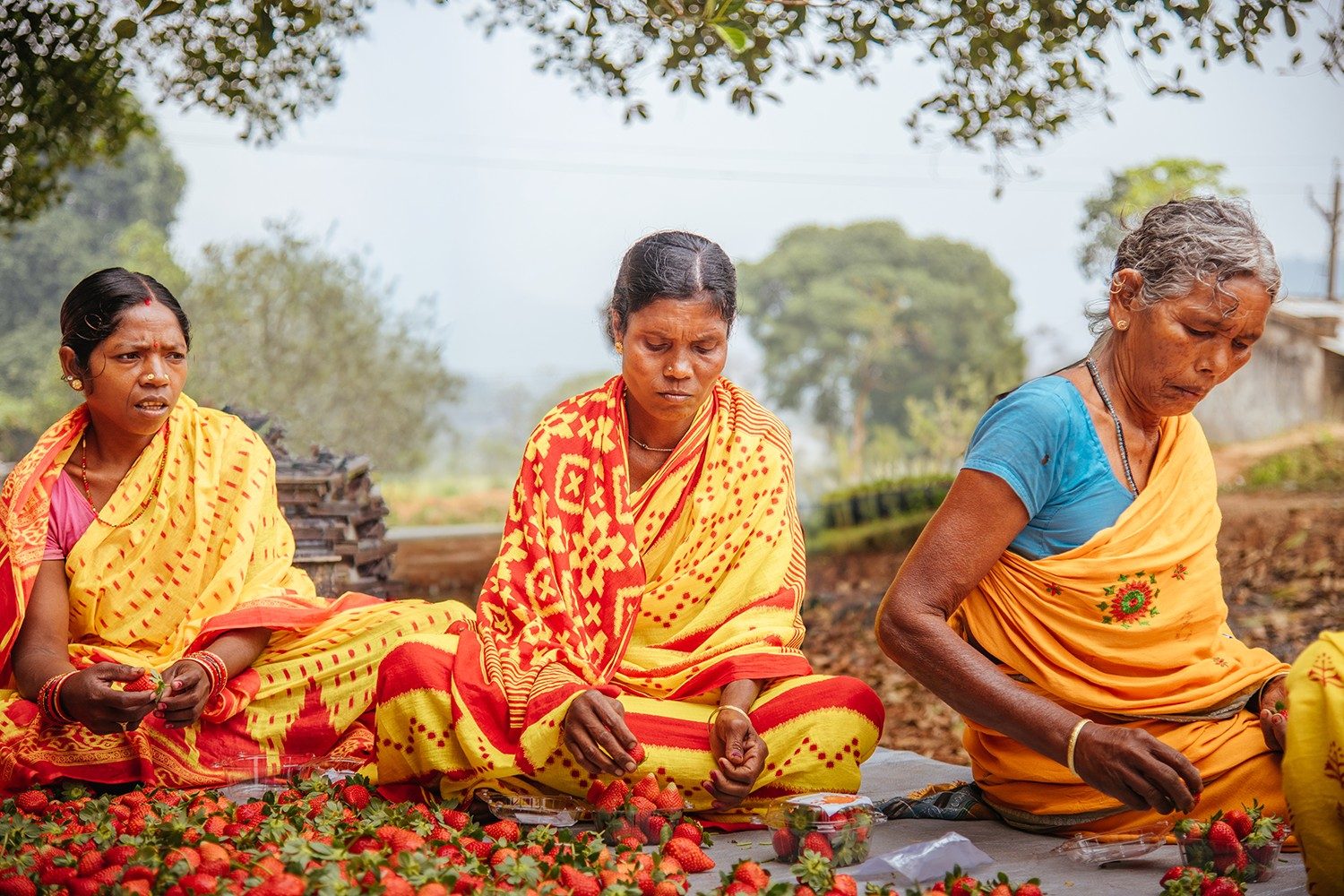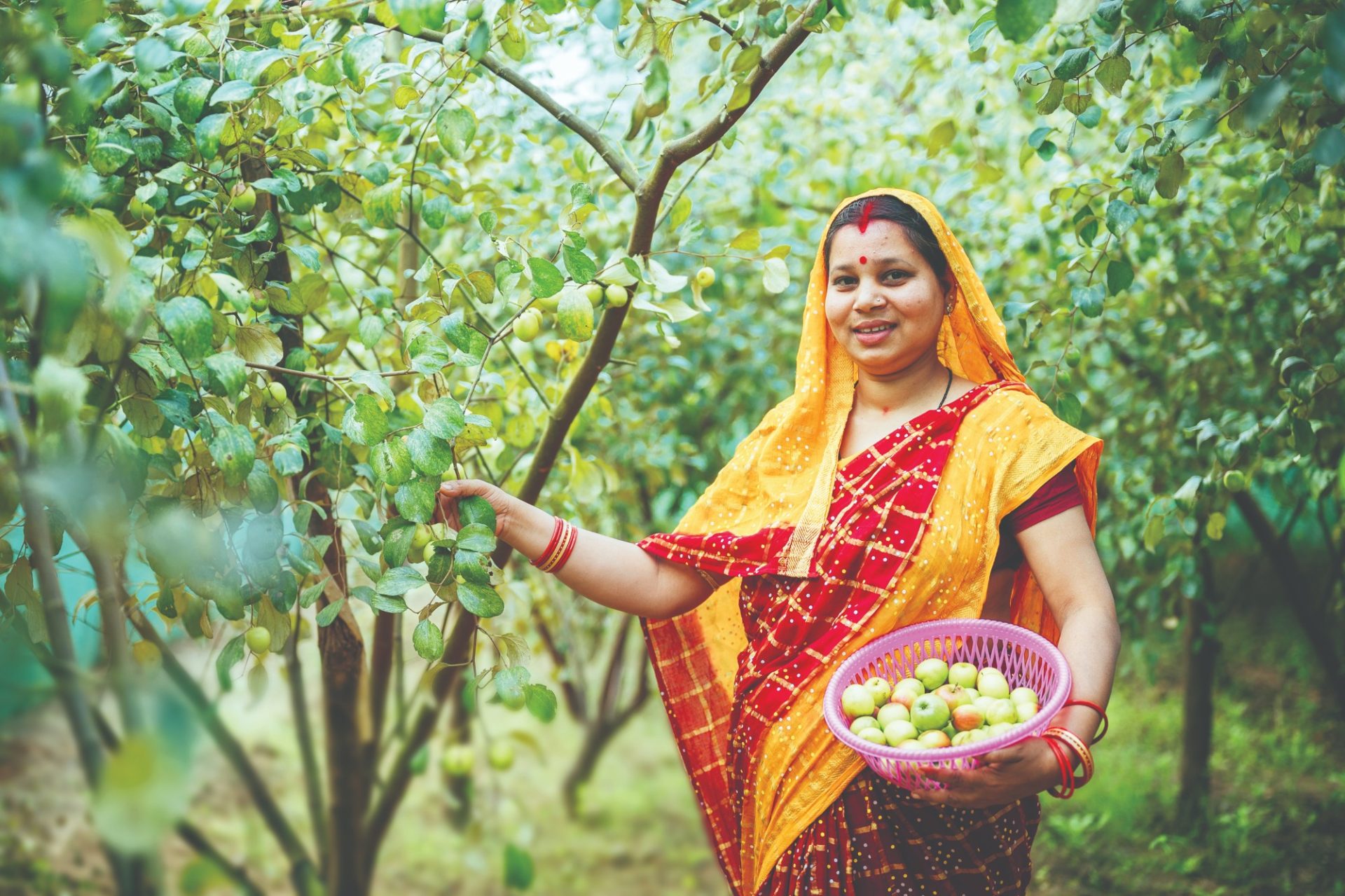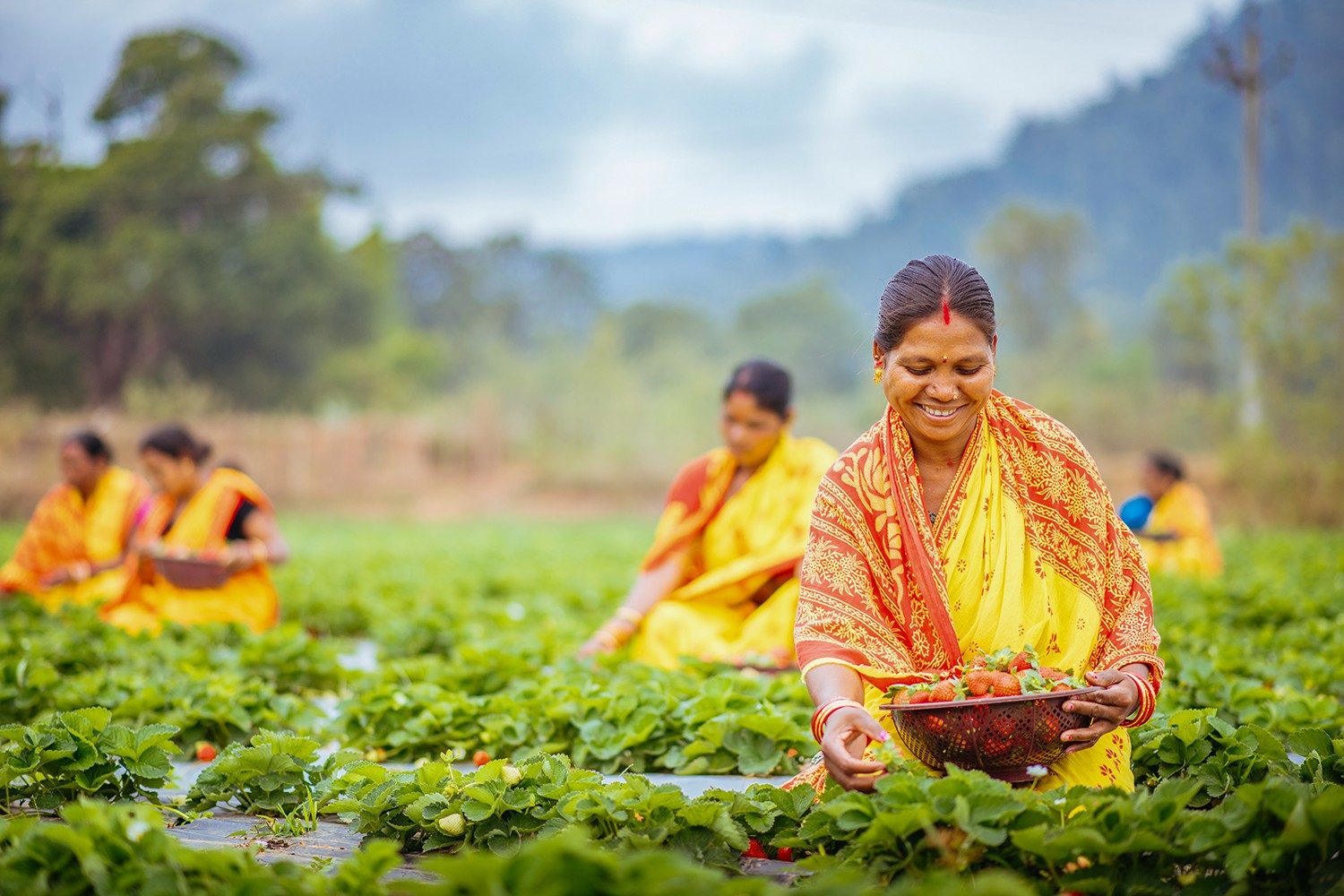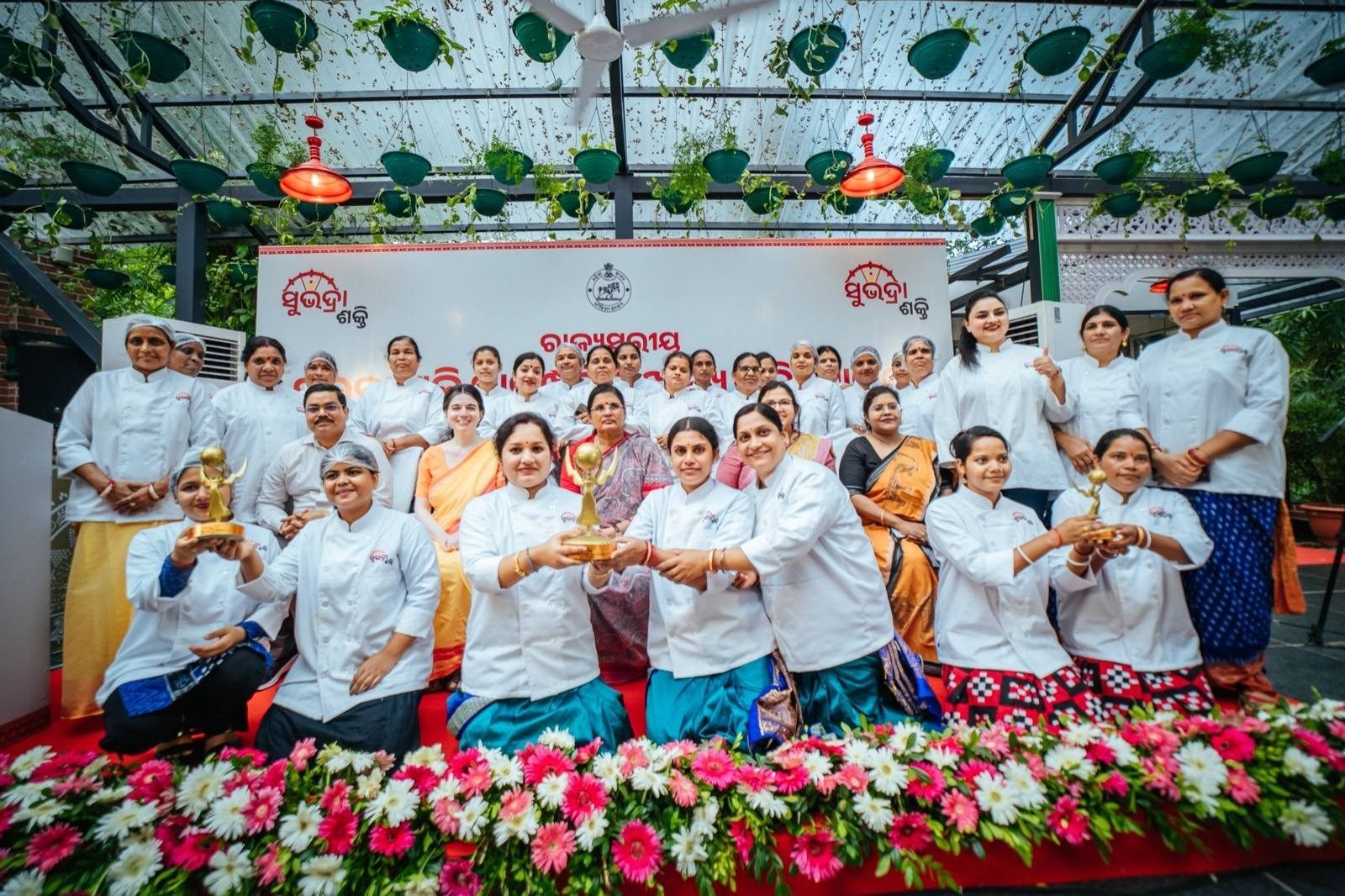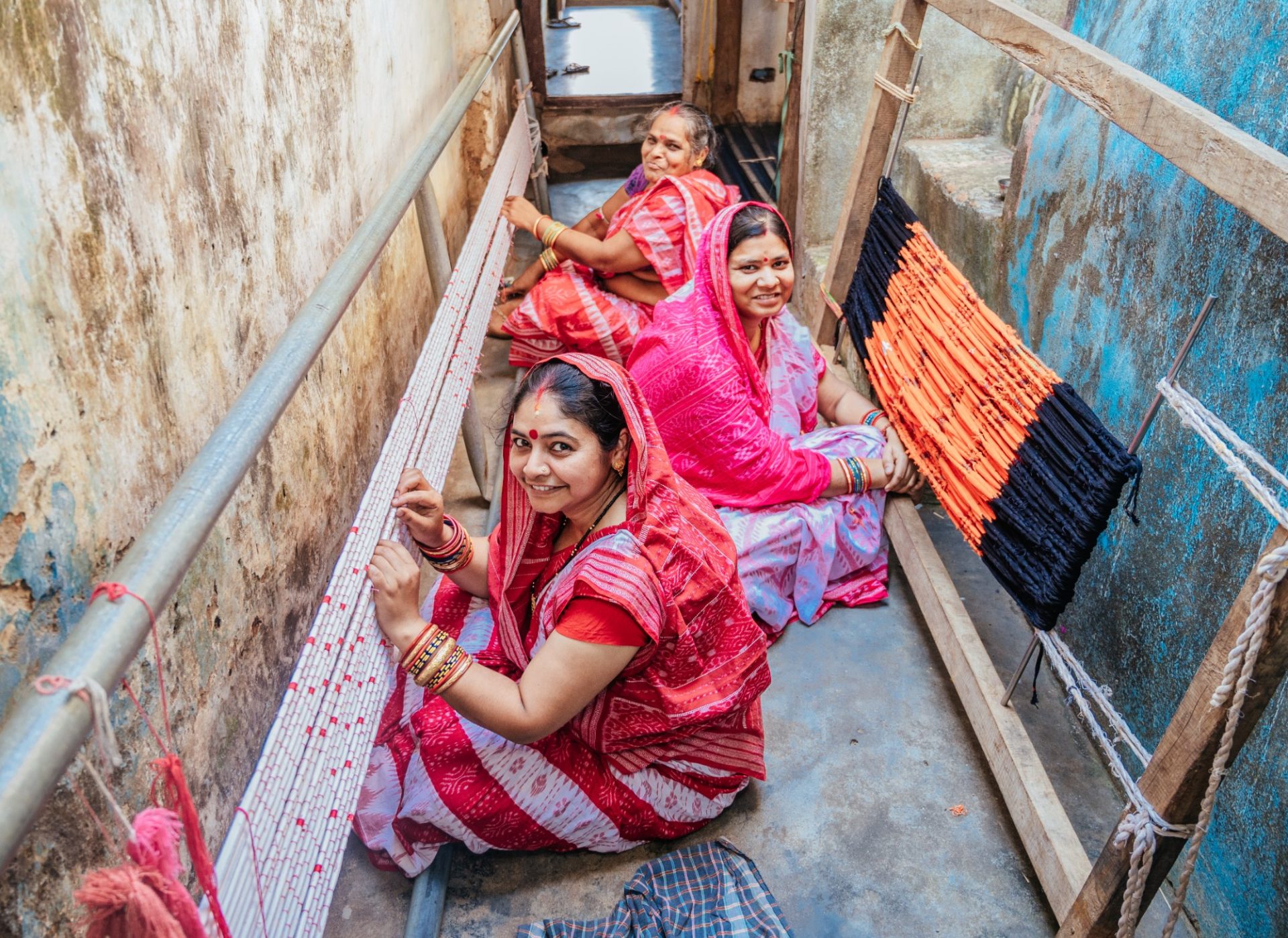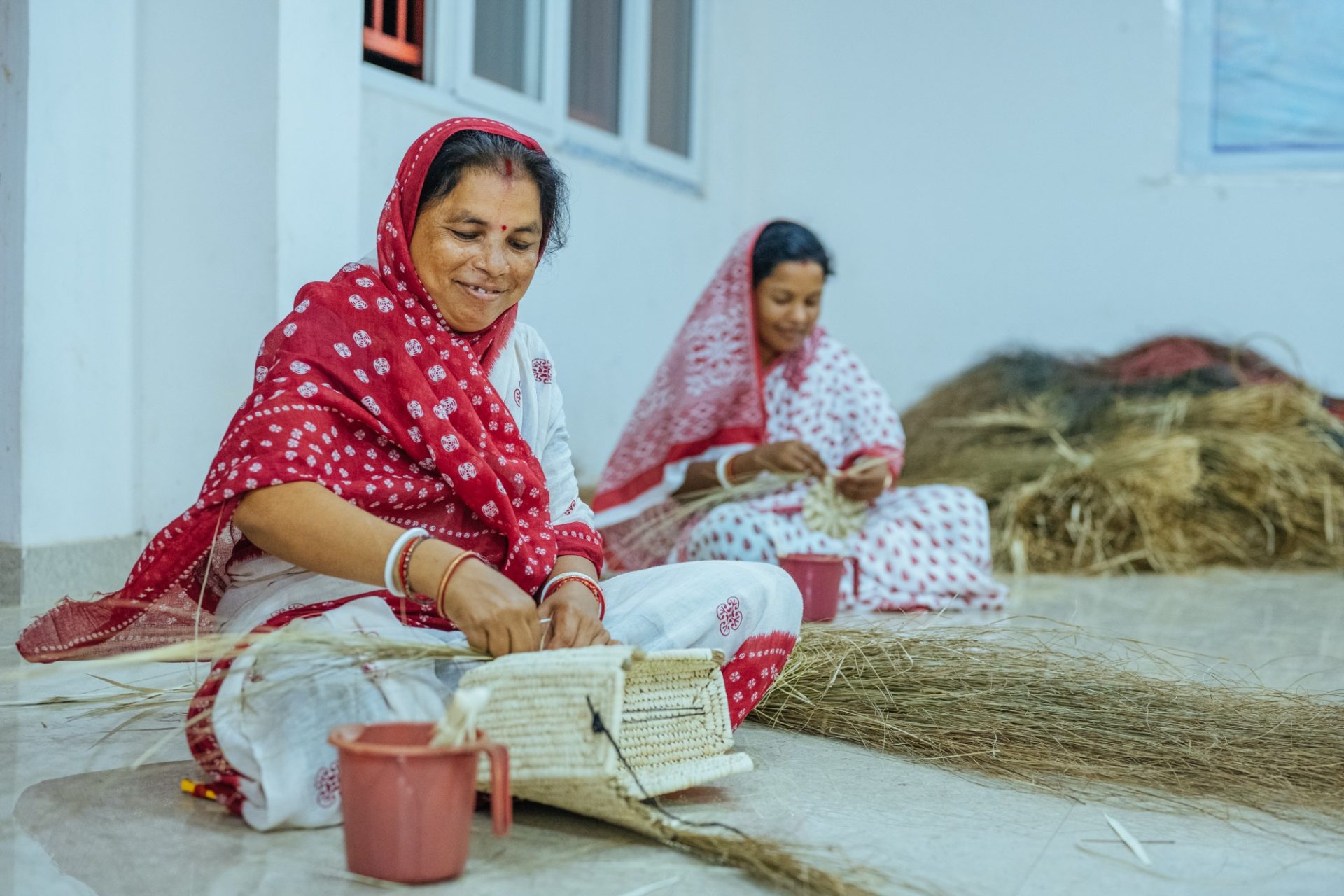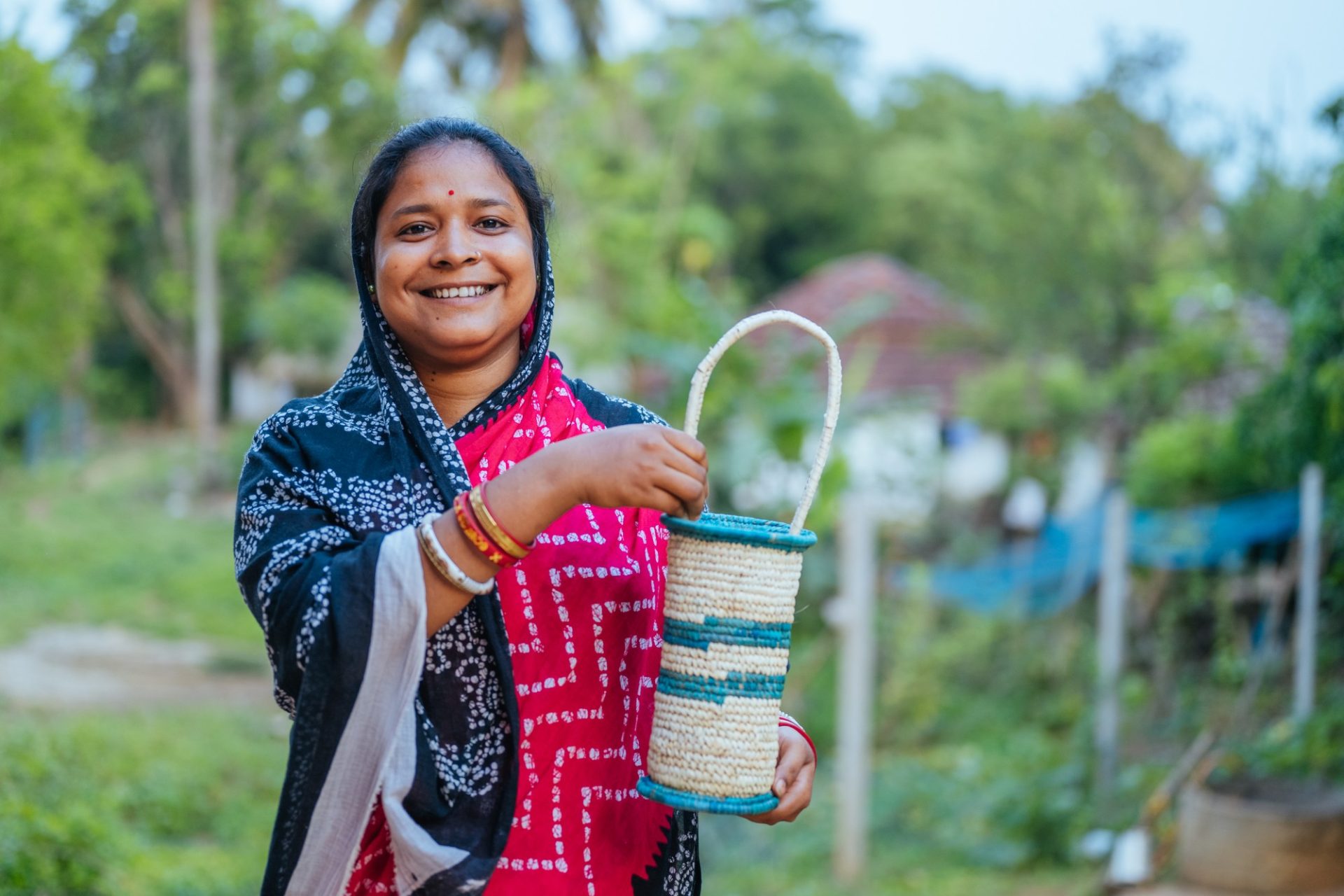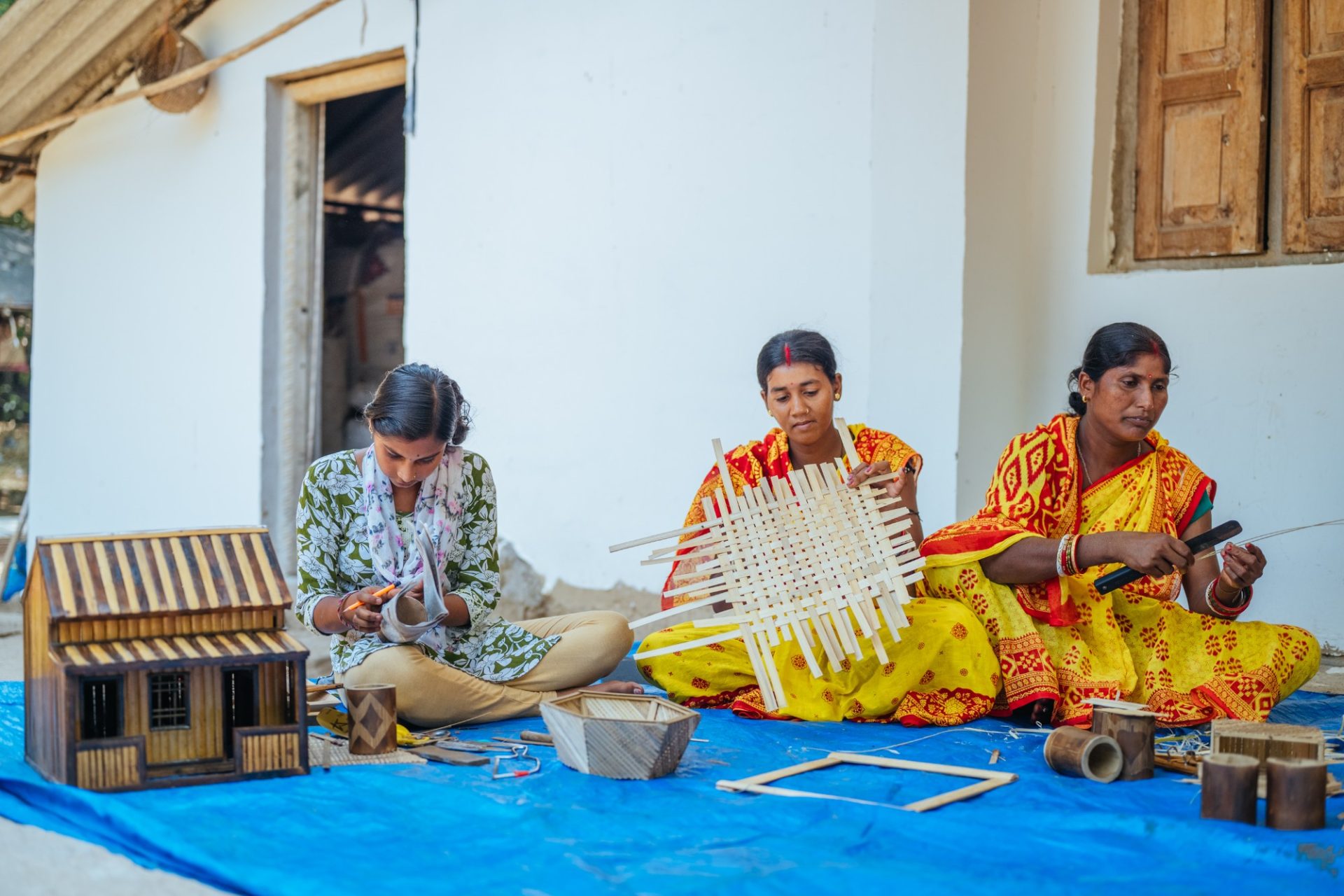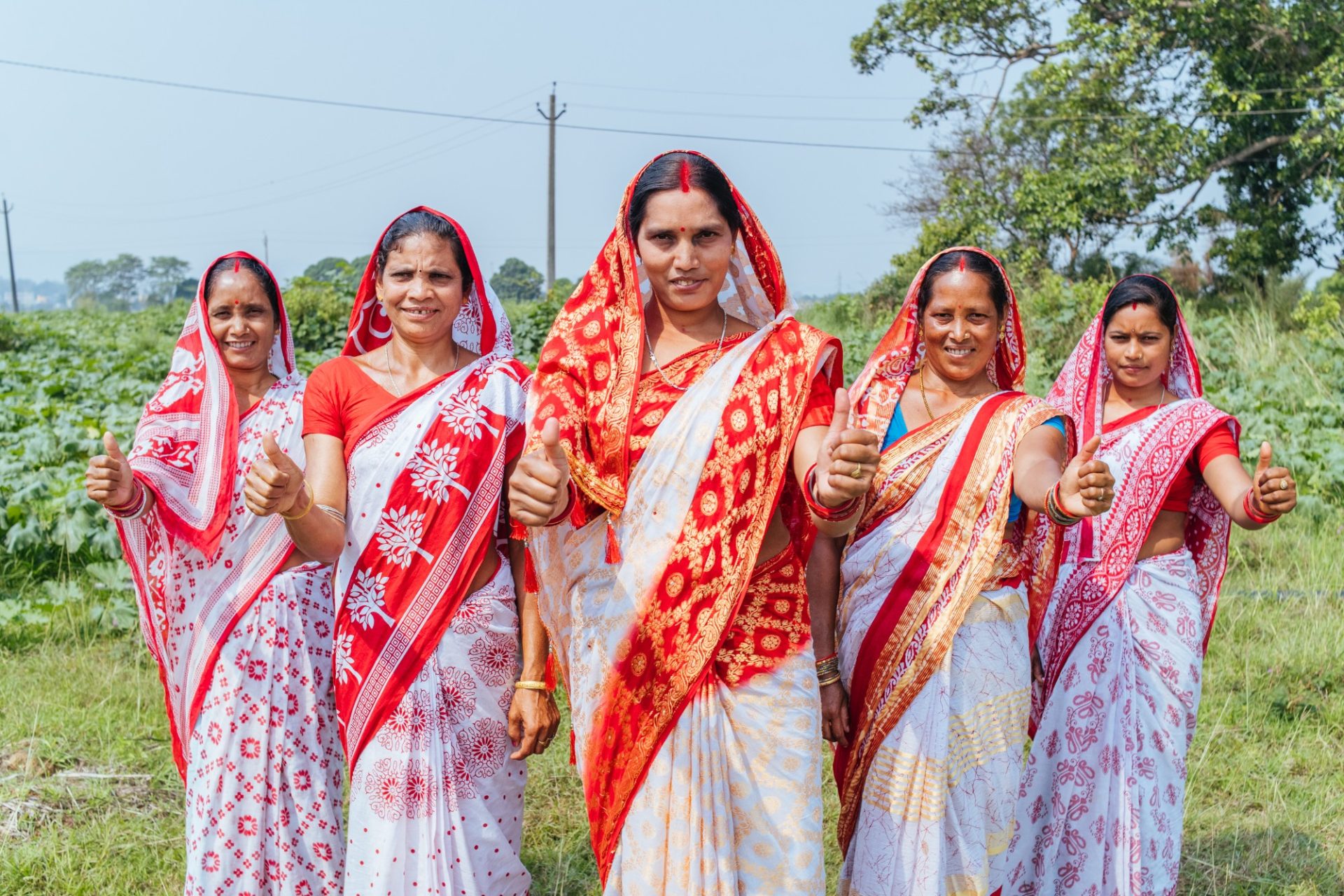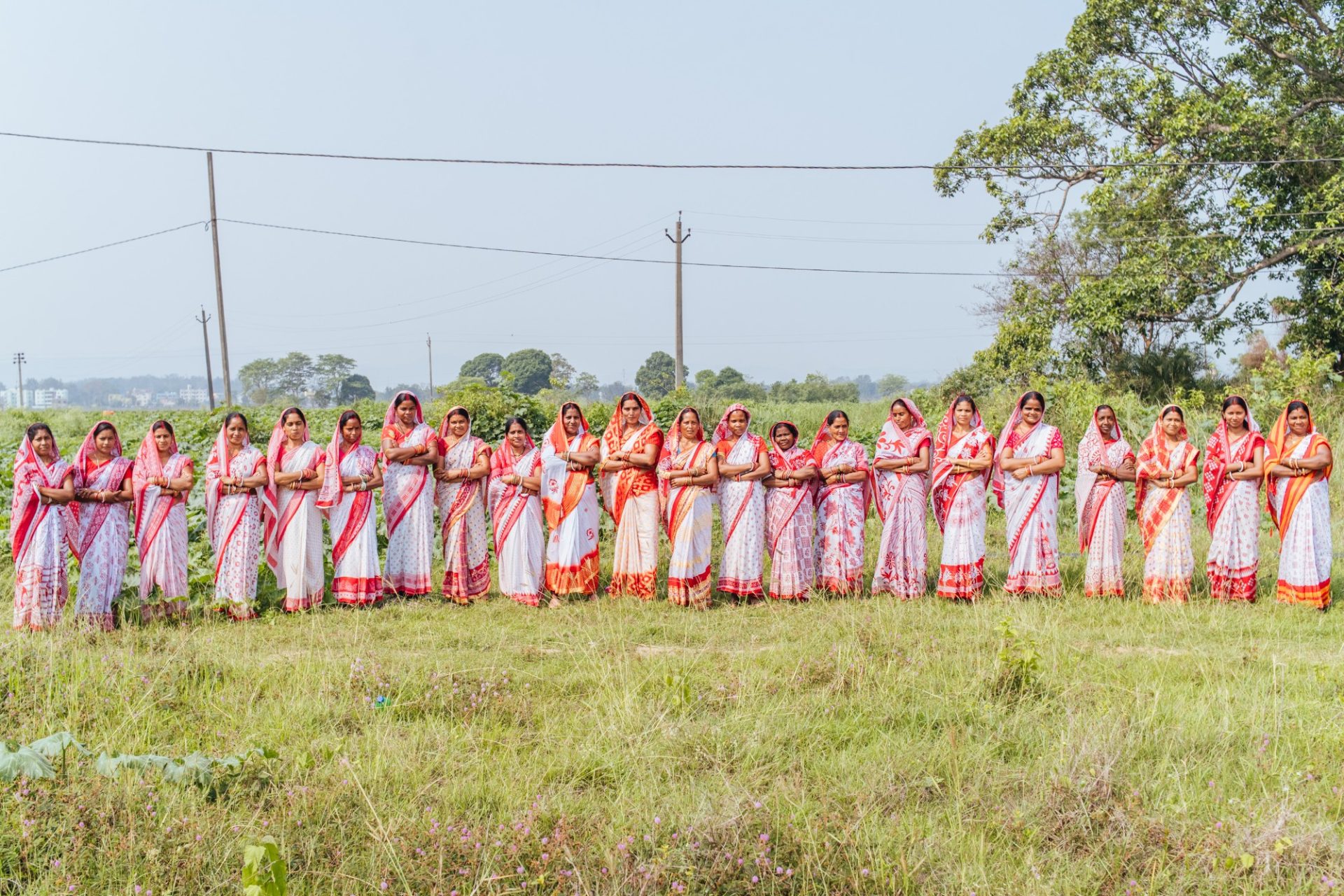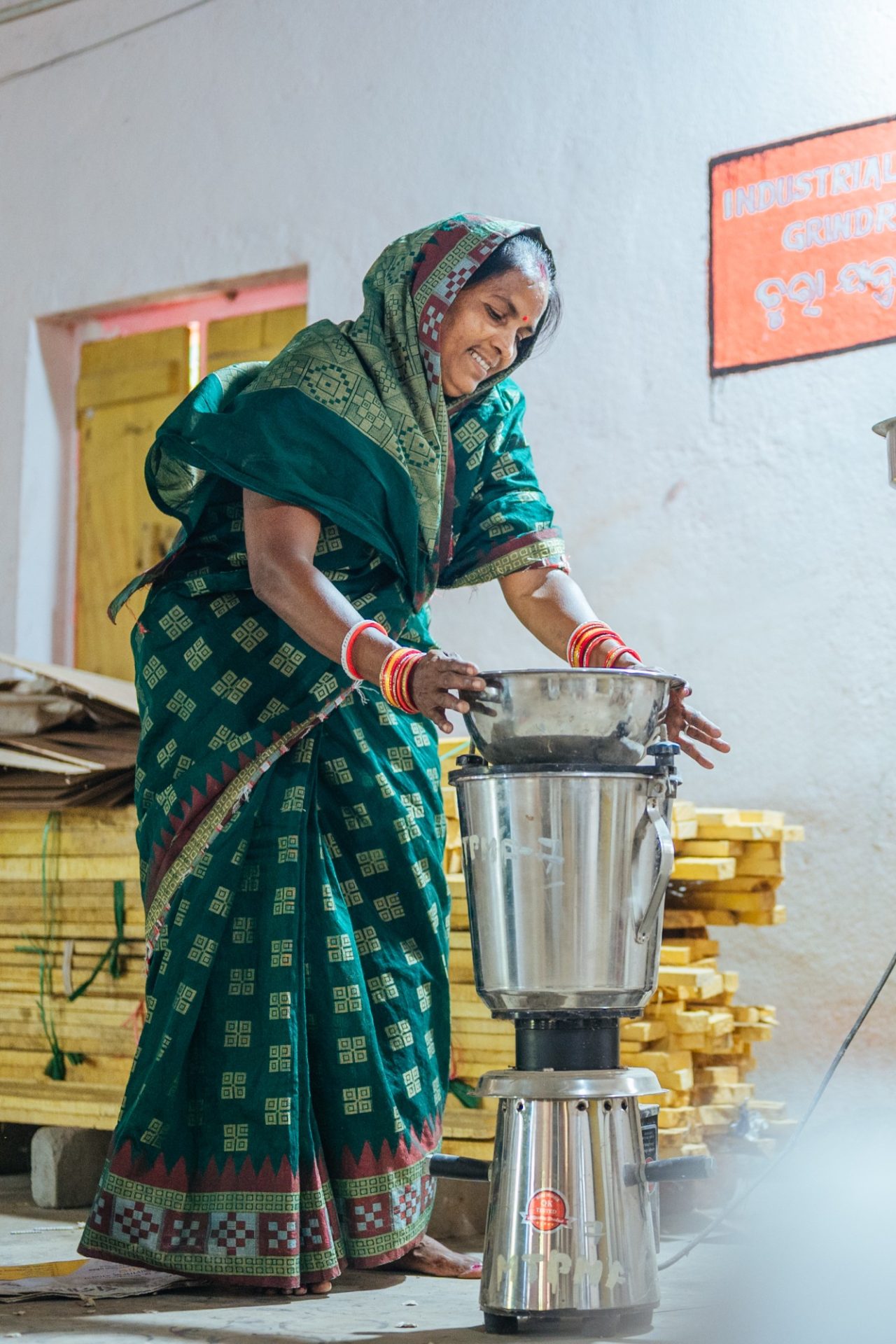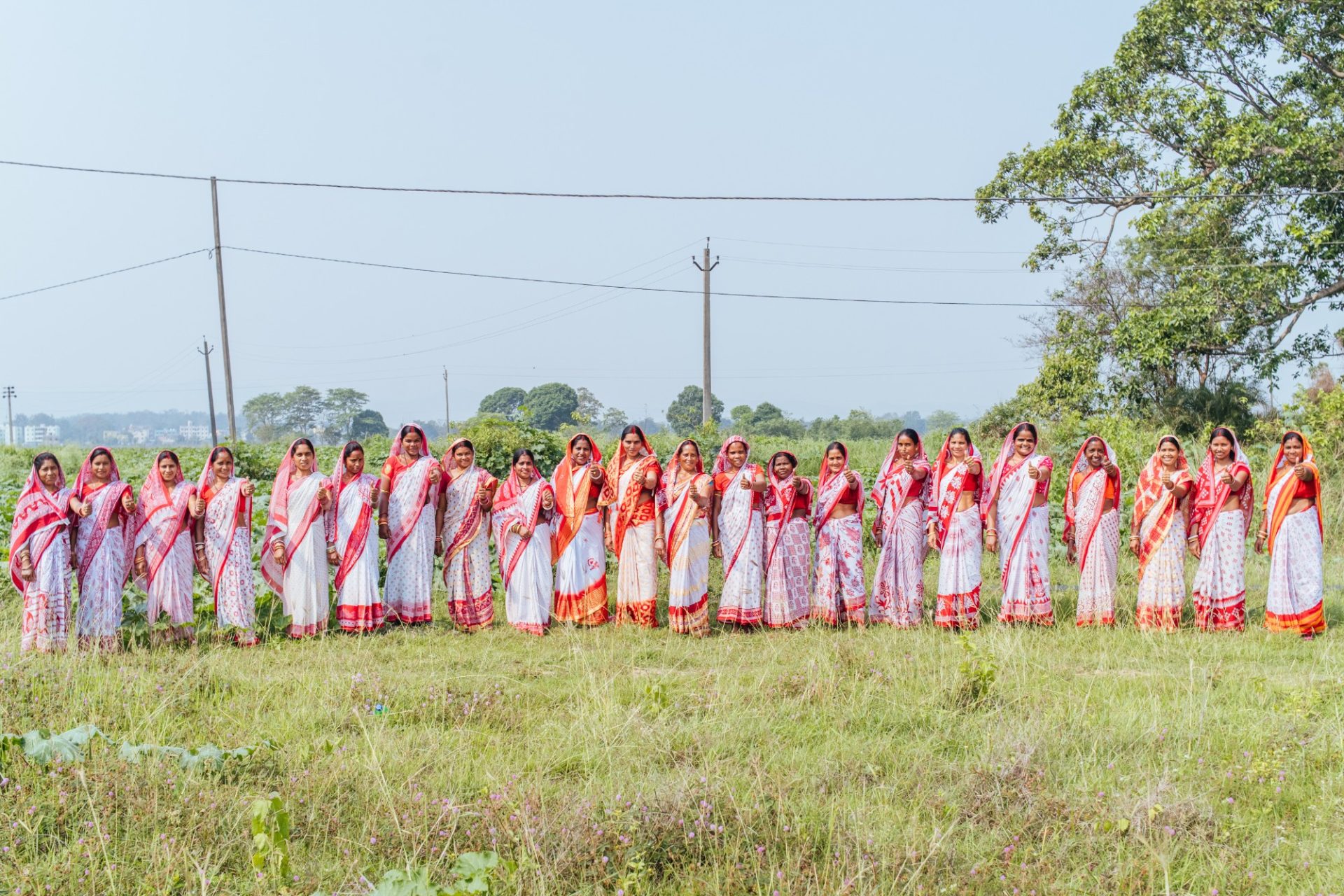

Lakhpati Didi Initiative - Empowering Rural Women in Odisha
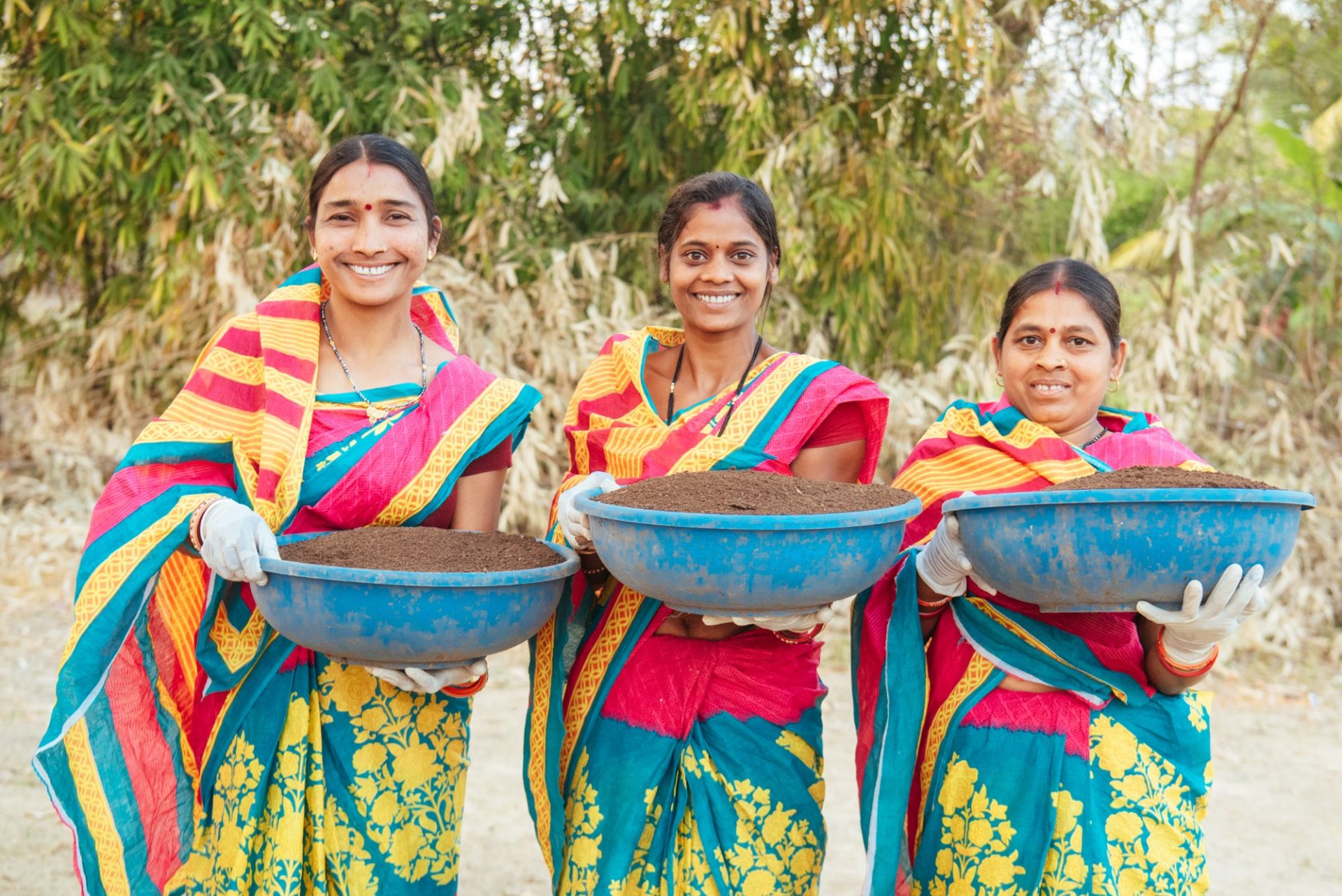
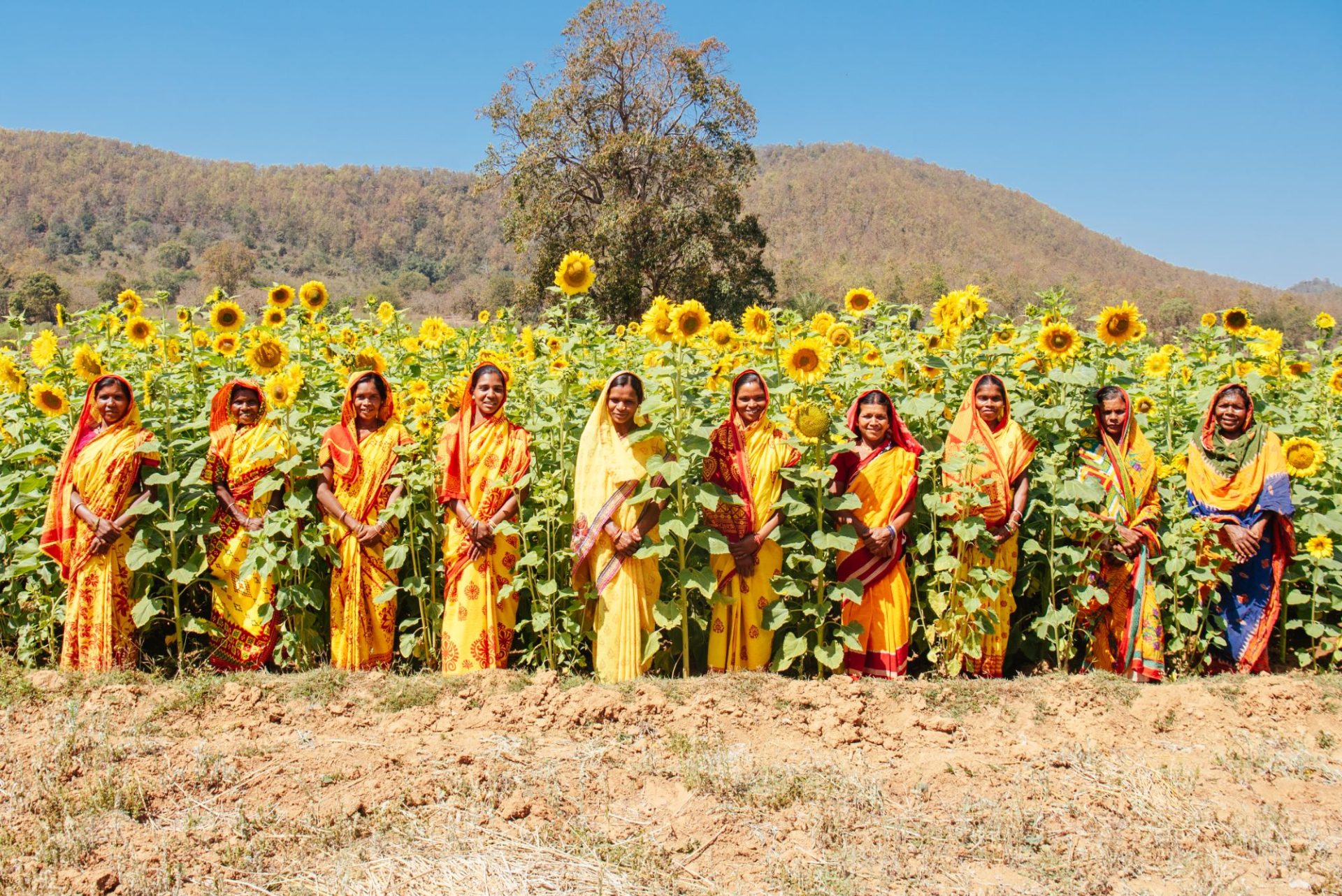
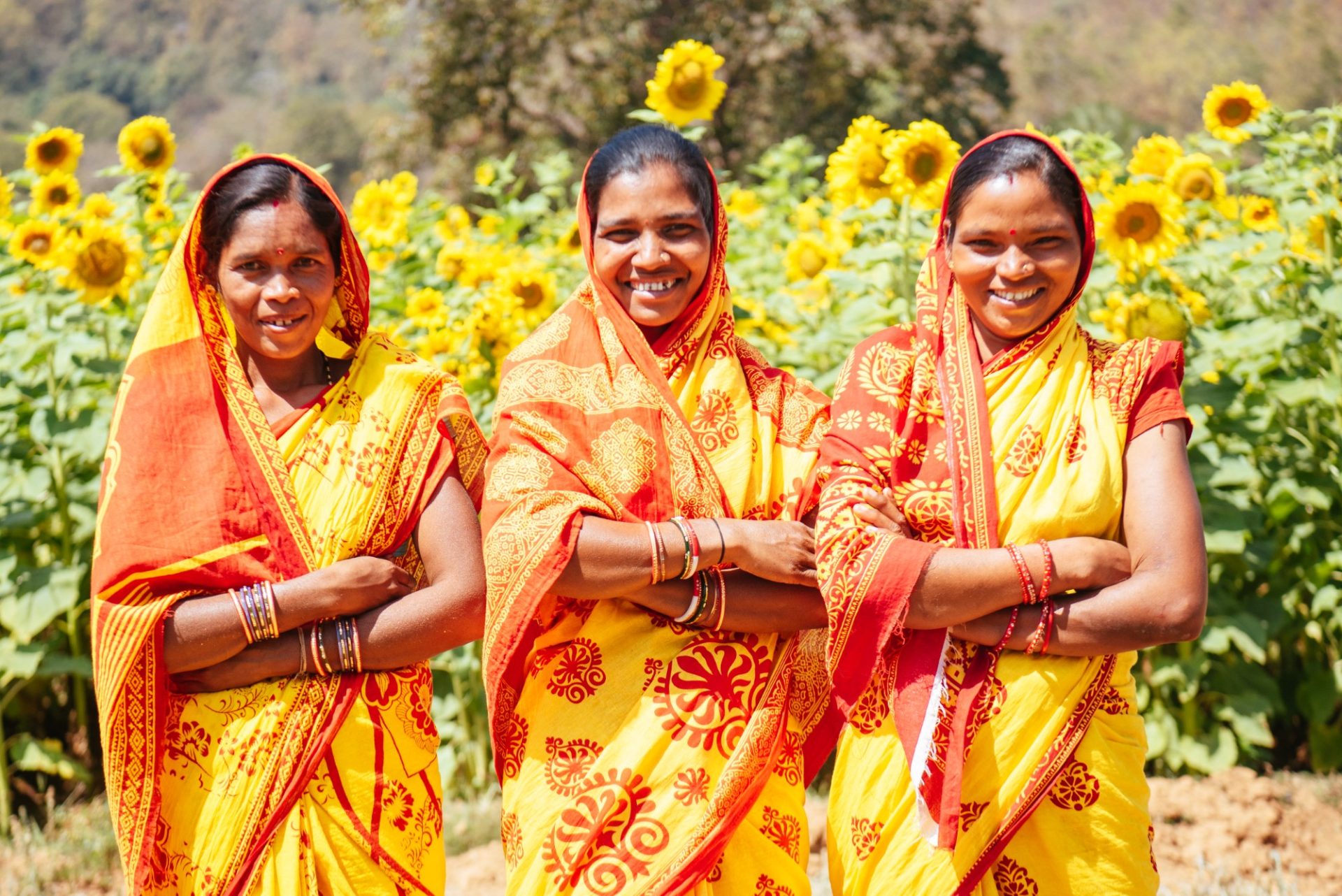
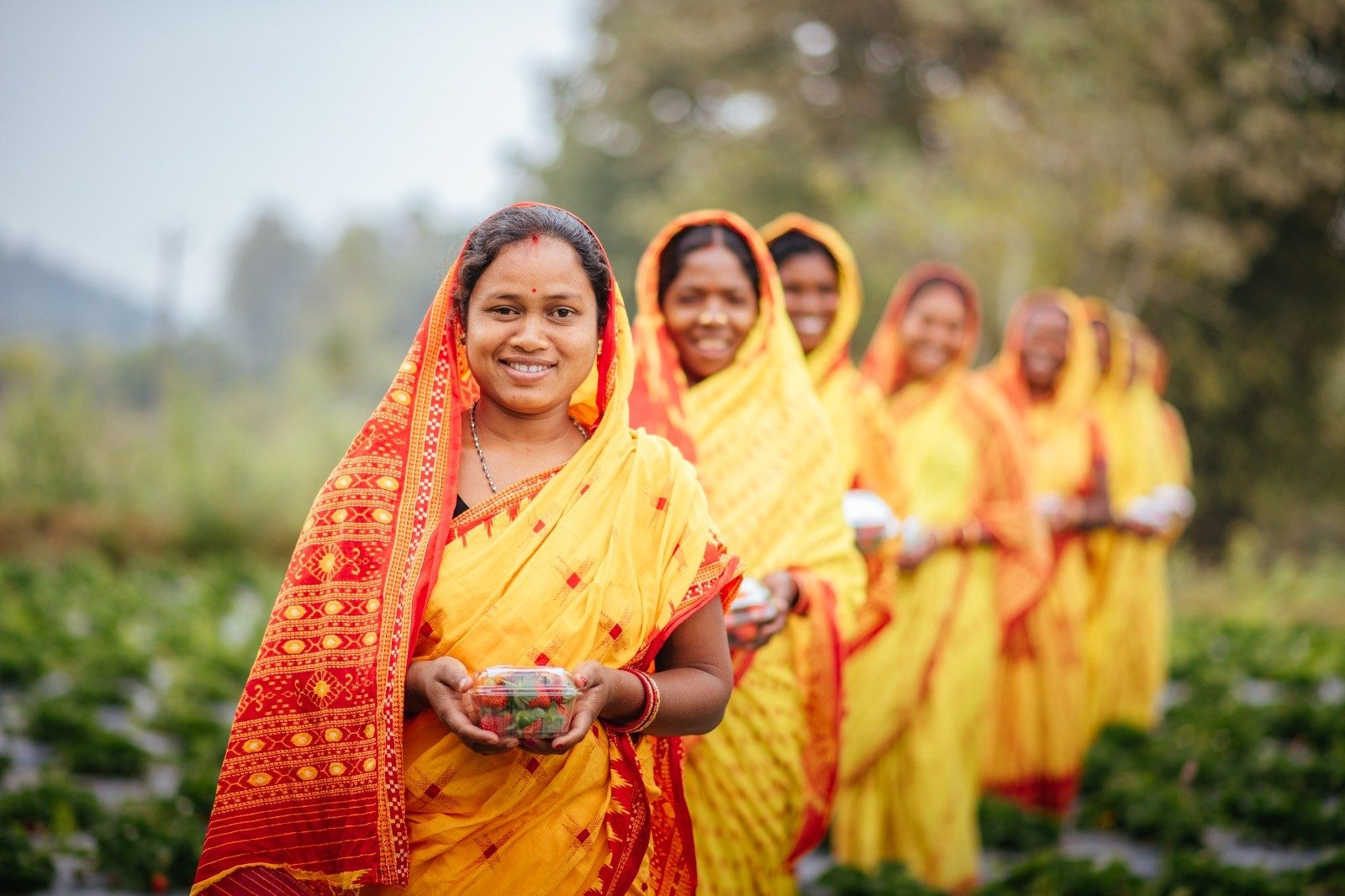
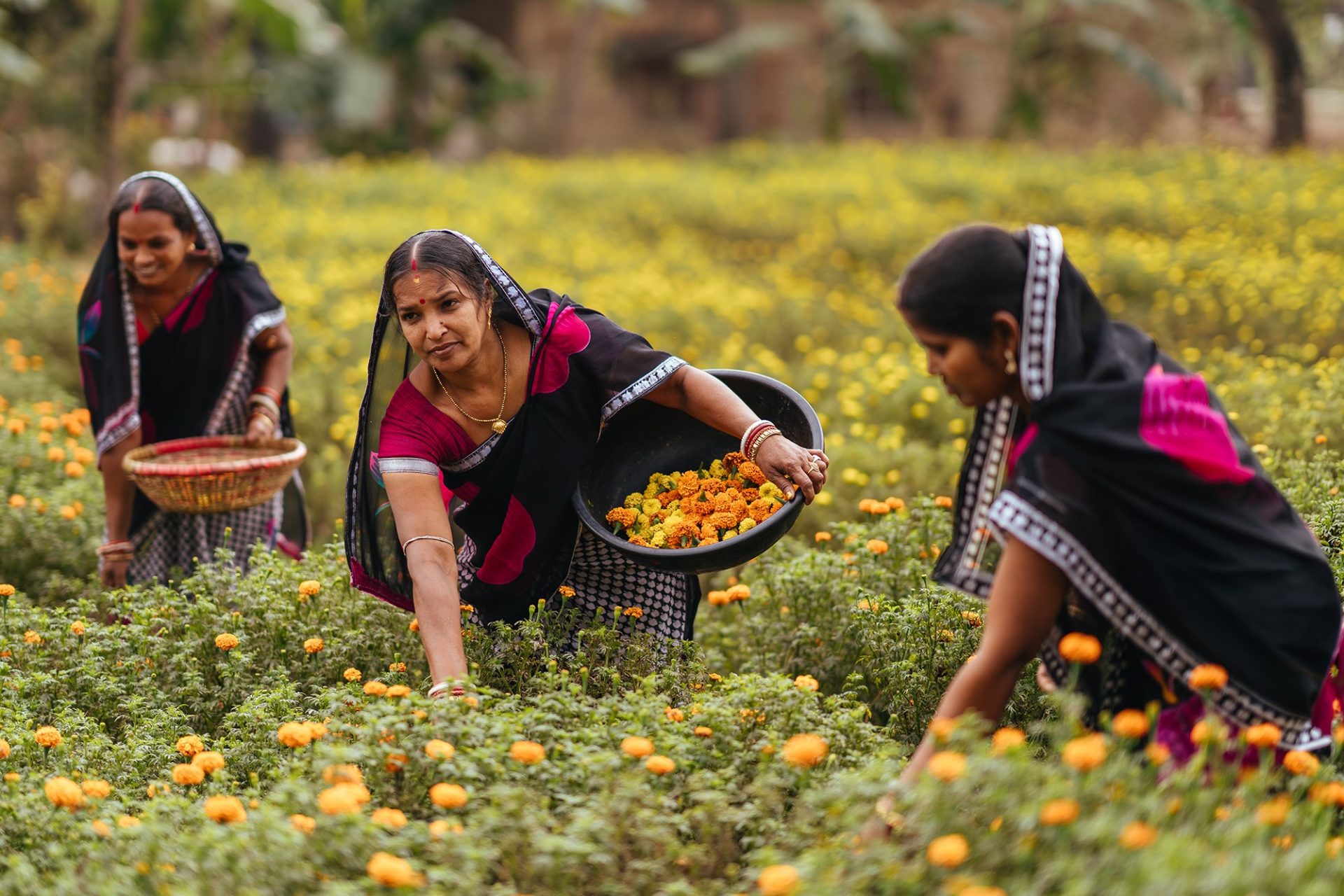
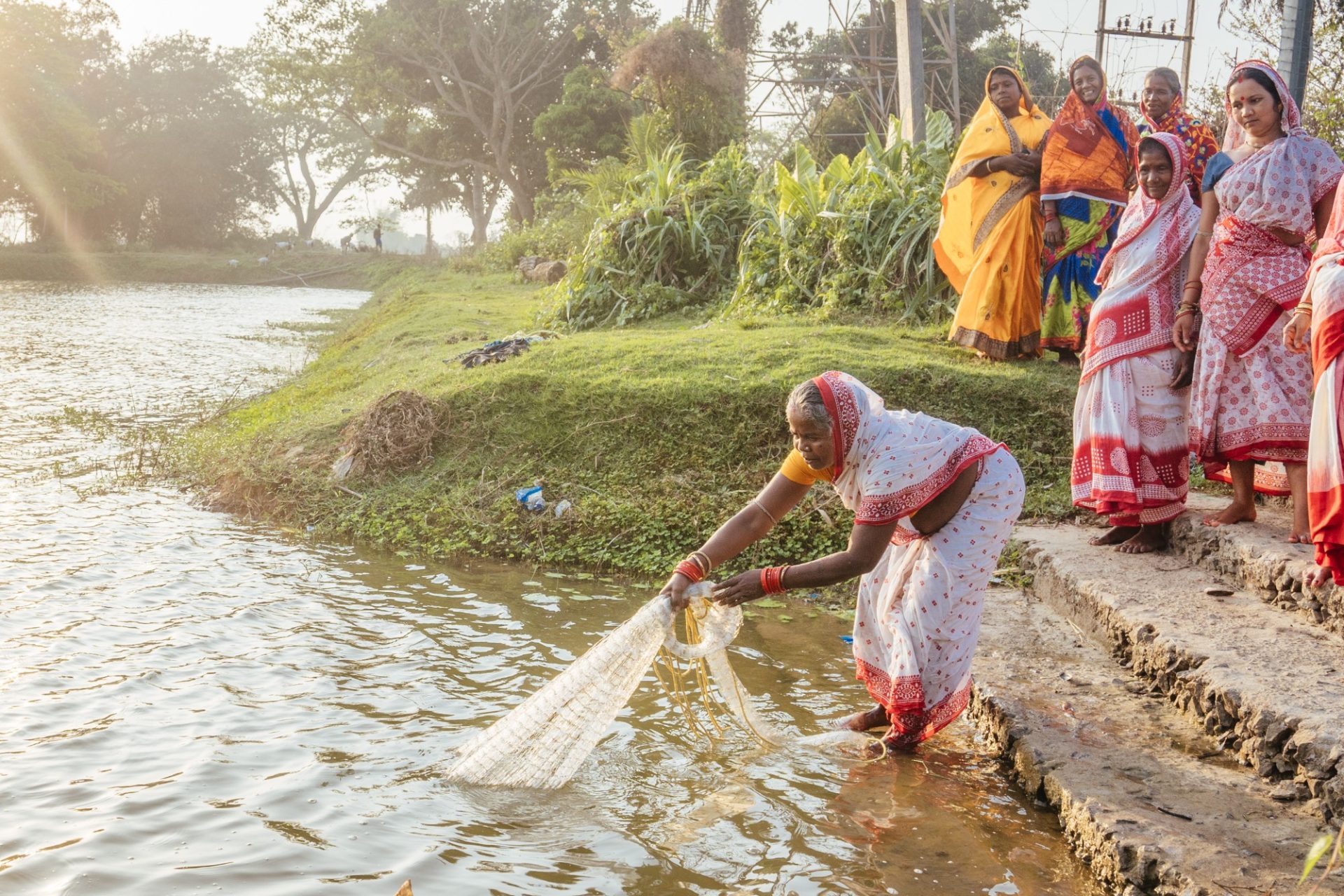
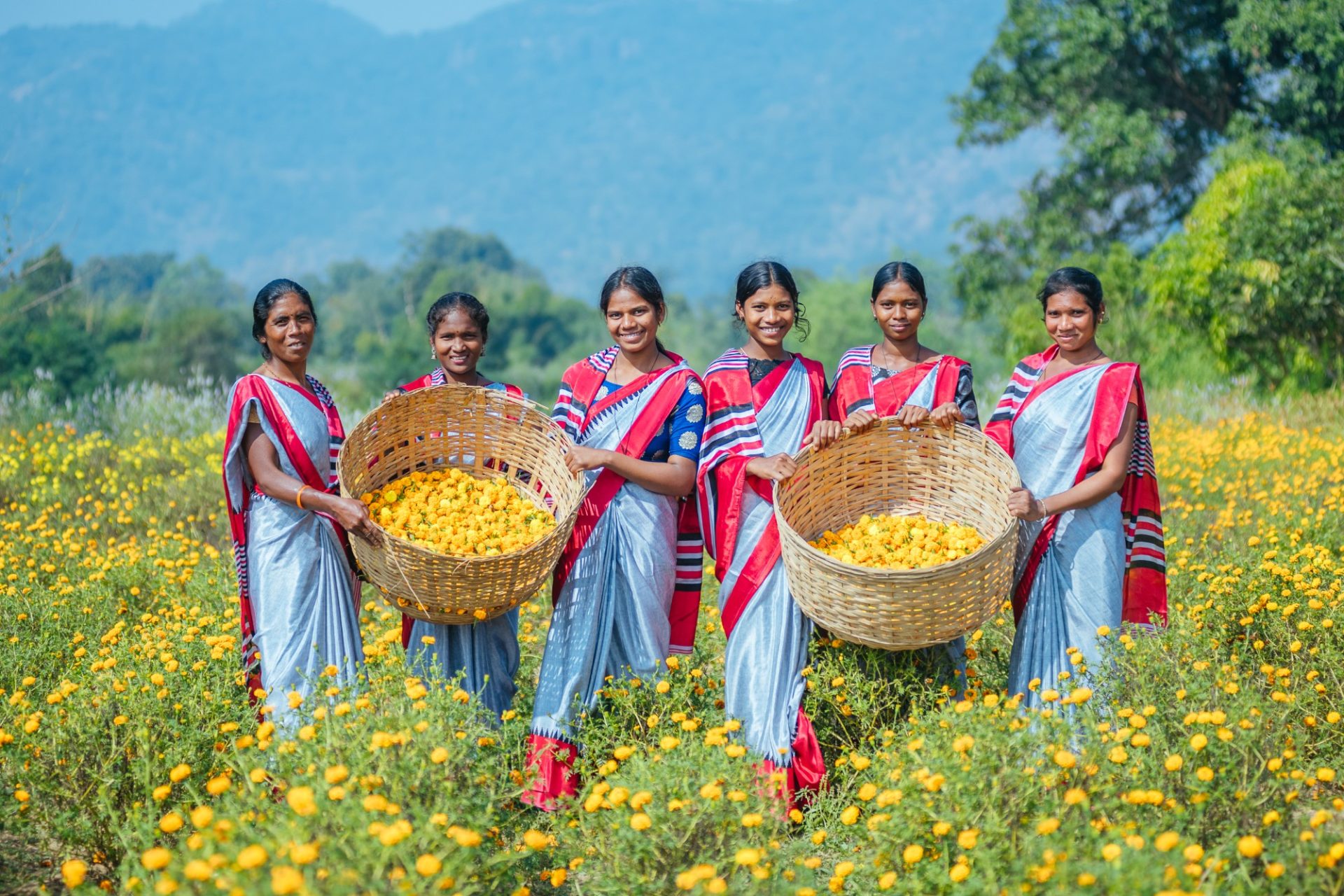
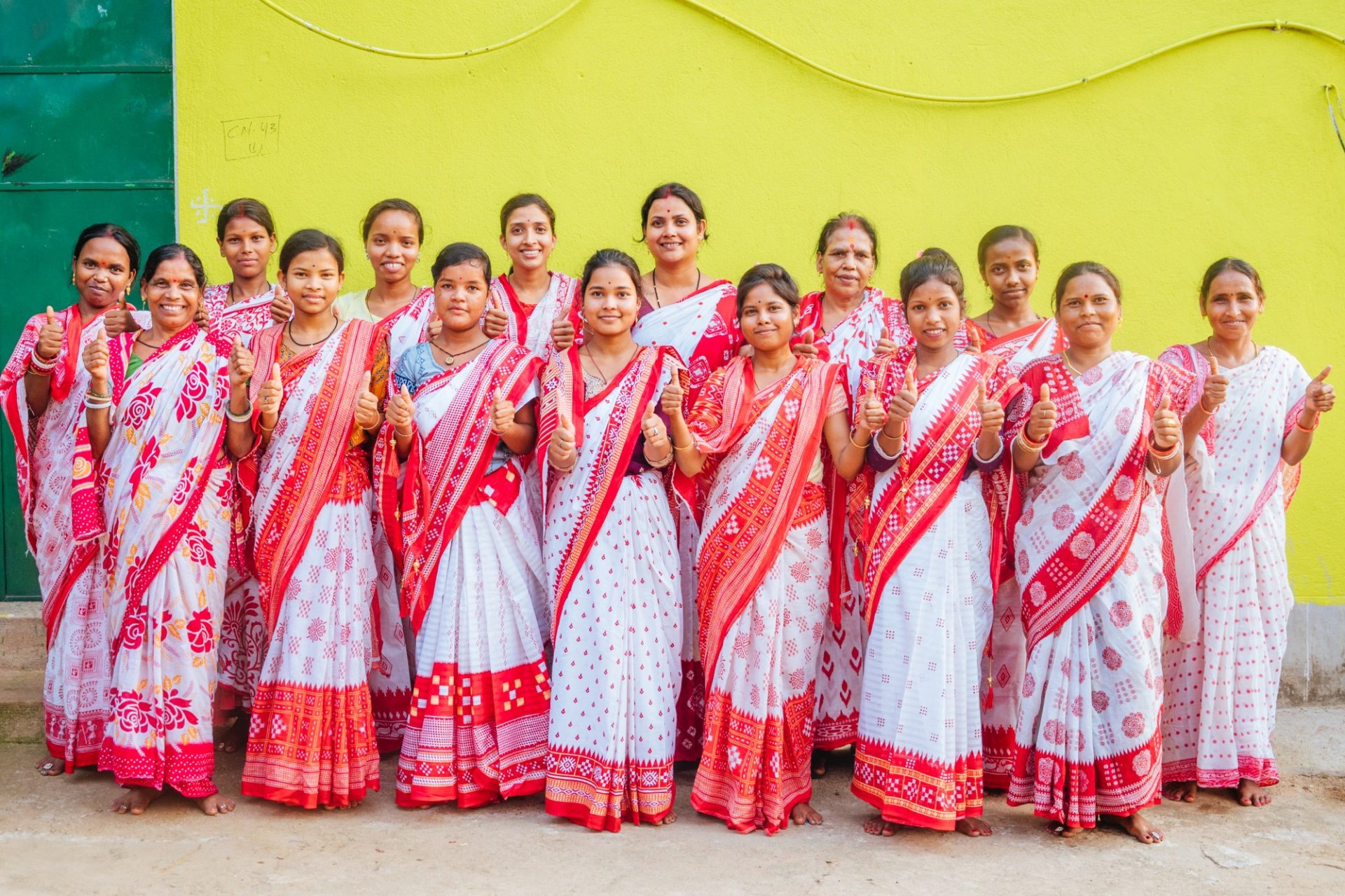
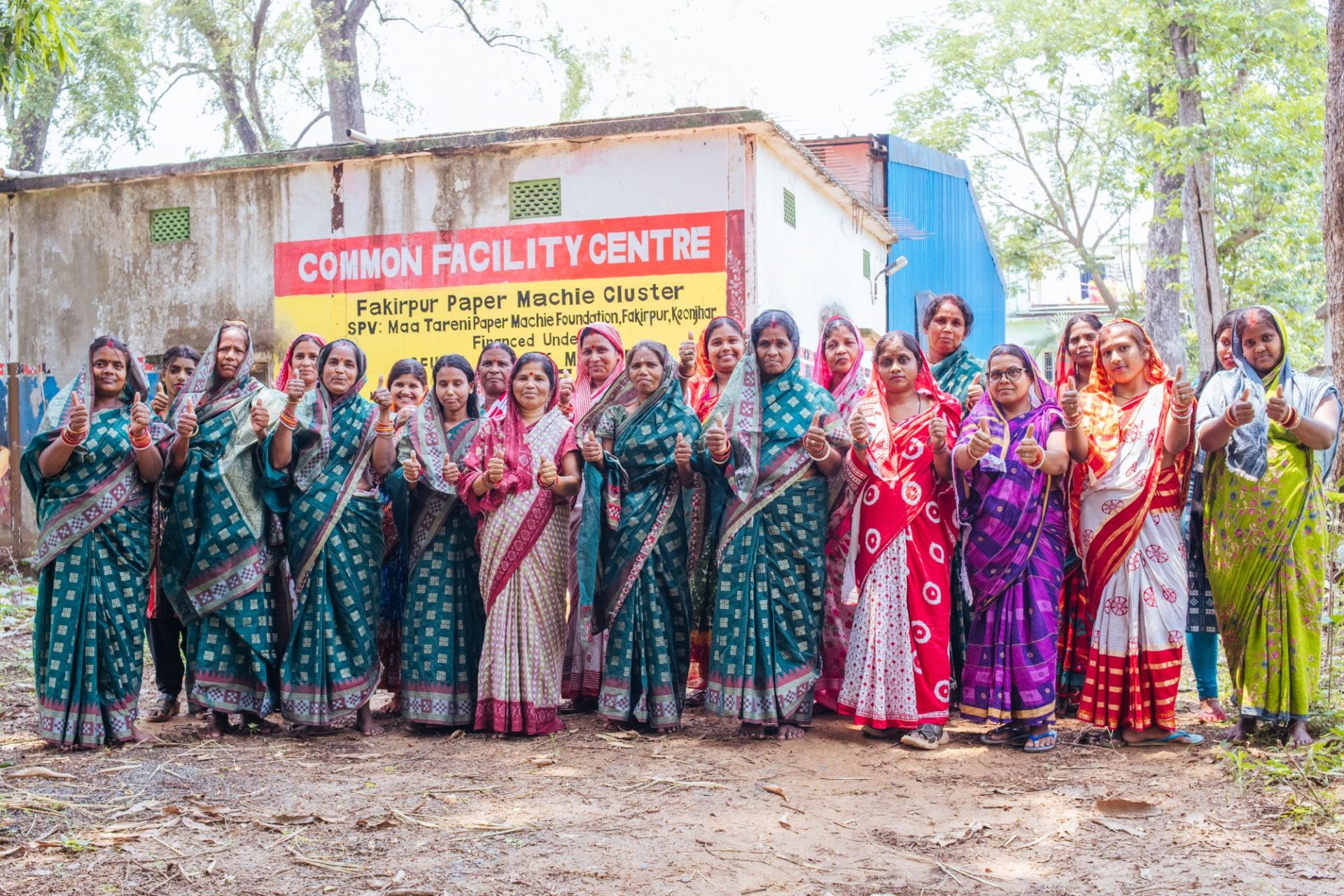
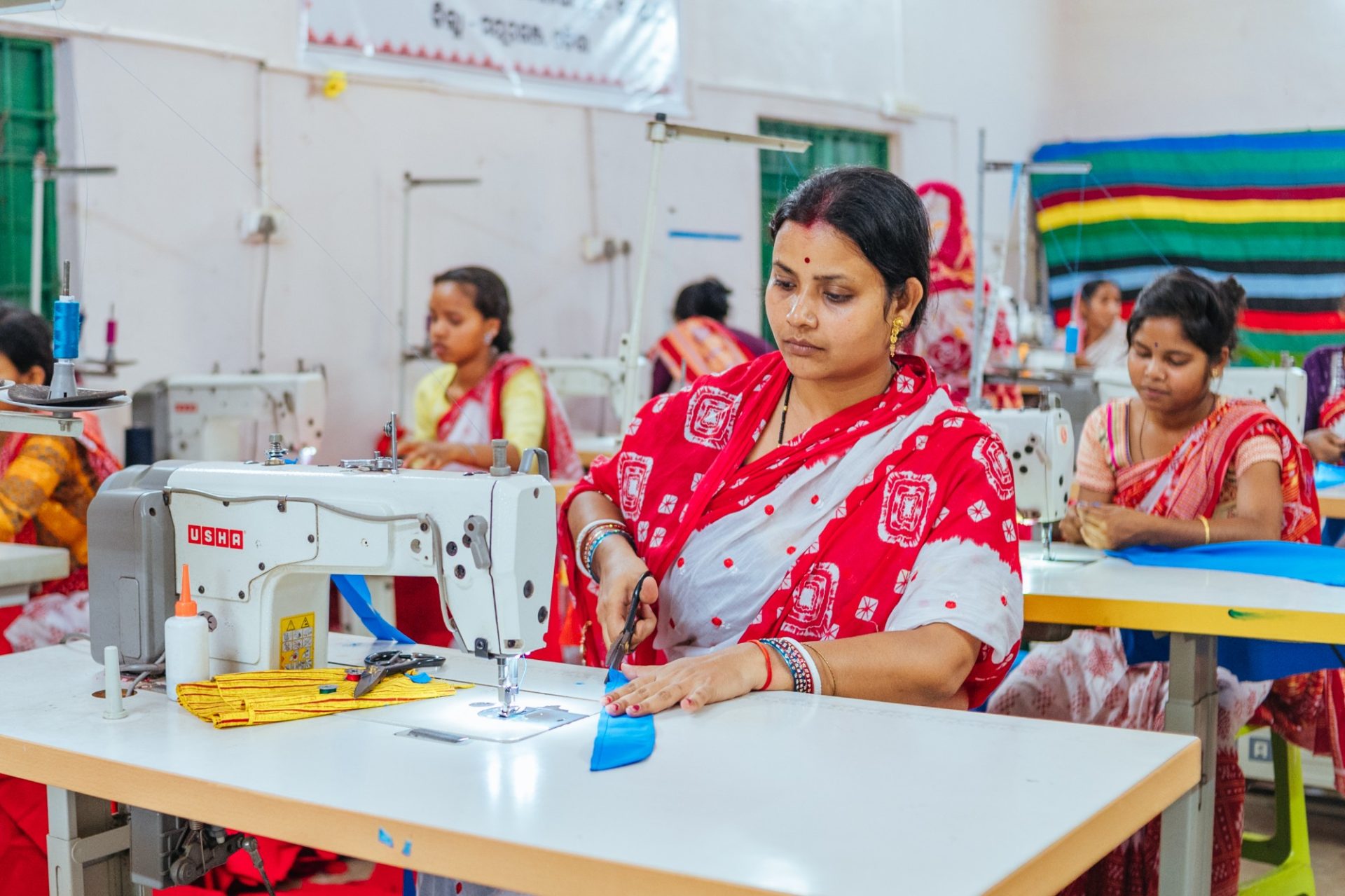
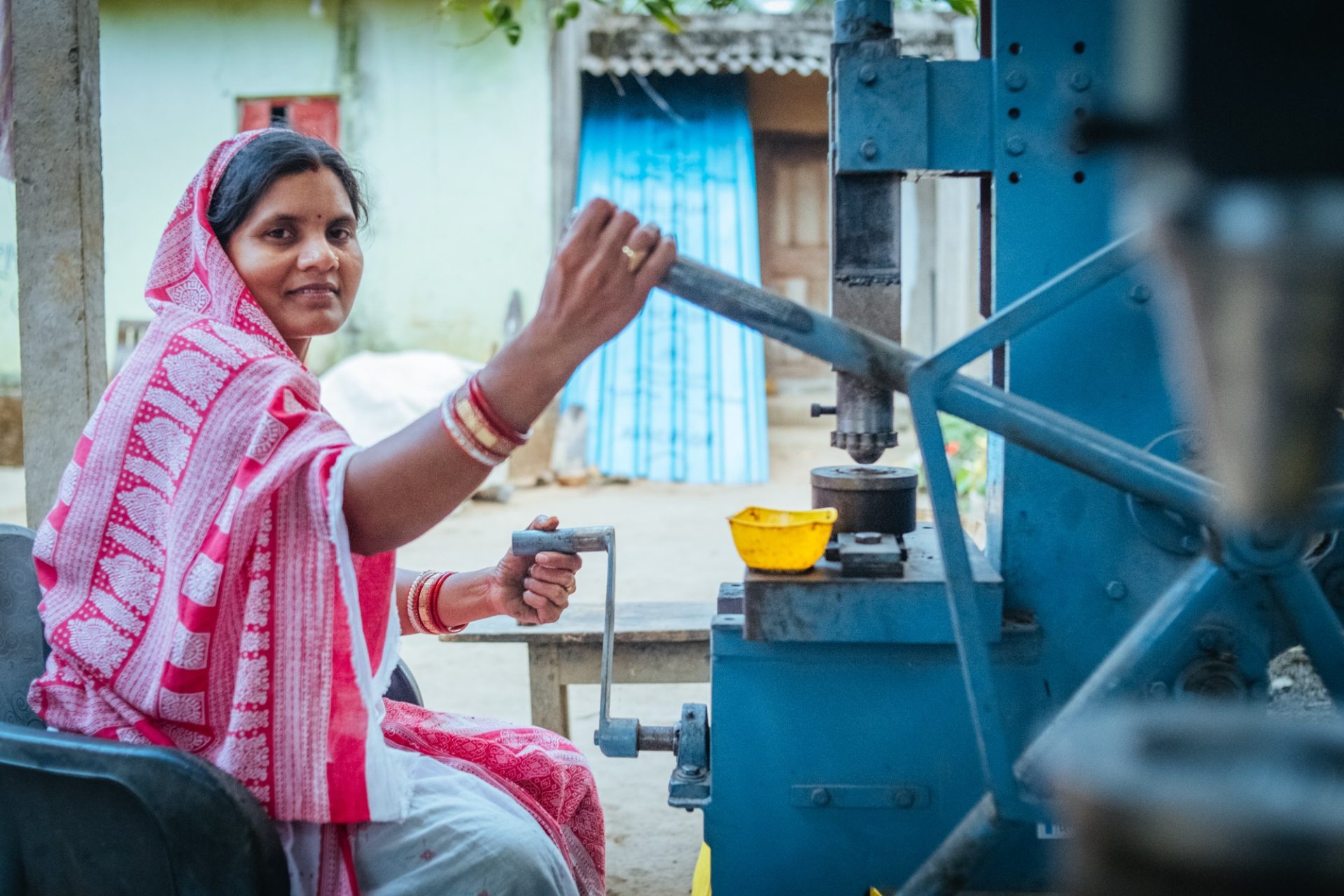
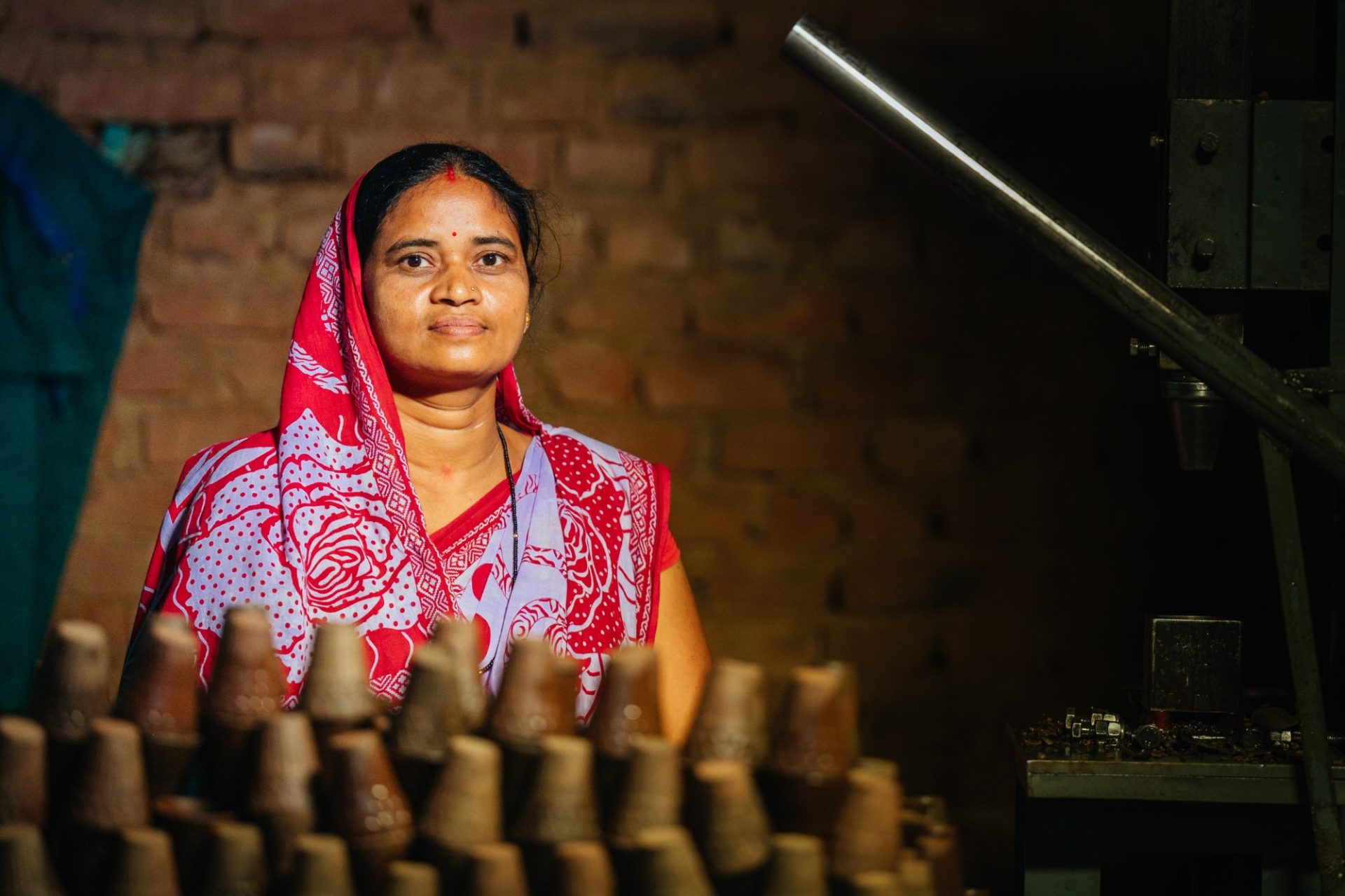
A Lakhpati Didi is a Self-Help Group member who earns an annual household income of Rupees One Lakh (Rs. 1,00,000) or more. This income is calculated for at least four agricultural seasons and/or business cycles, with an average monthly income exceeding Rupees Ten Thousand (Rs. 10,000), so that it is sustainable.
The concept of Lakhpati Didi was first announced by Hon’ble Prime Minister of India during his Independence Speech on 15th August, 2023.
From the F/Y-2024-25 Lakhpati Didi Initiatives has been implemented under DAY-NRLM across the Nation.
Target:
Ministry of Rural Development (MoRD), GoI has given a target of 16.19 Lakh Lakhpati Didis creation in Odisha during the FY 2024-25.
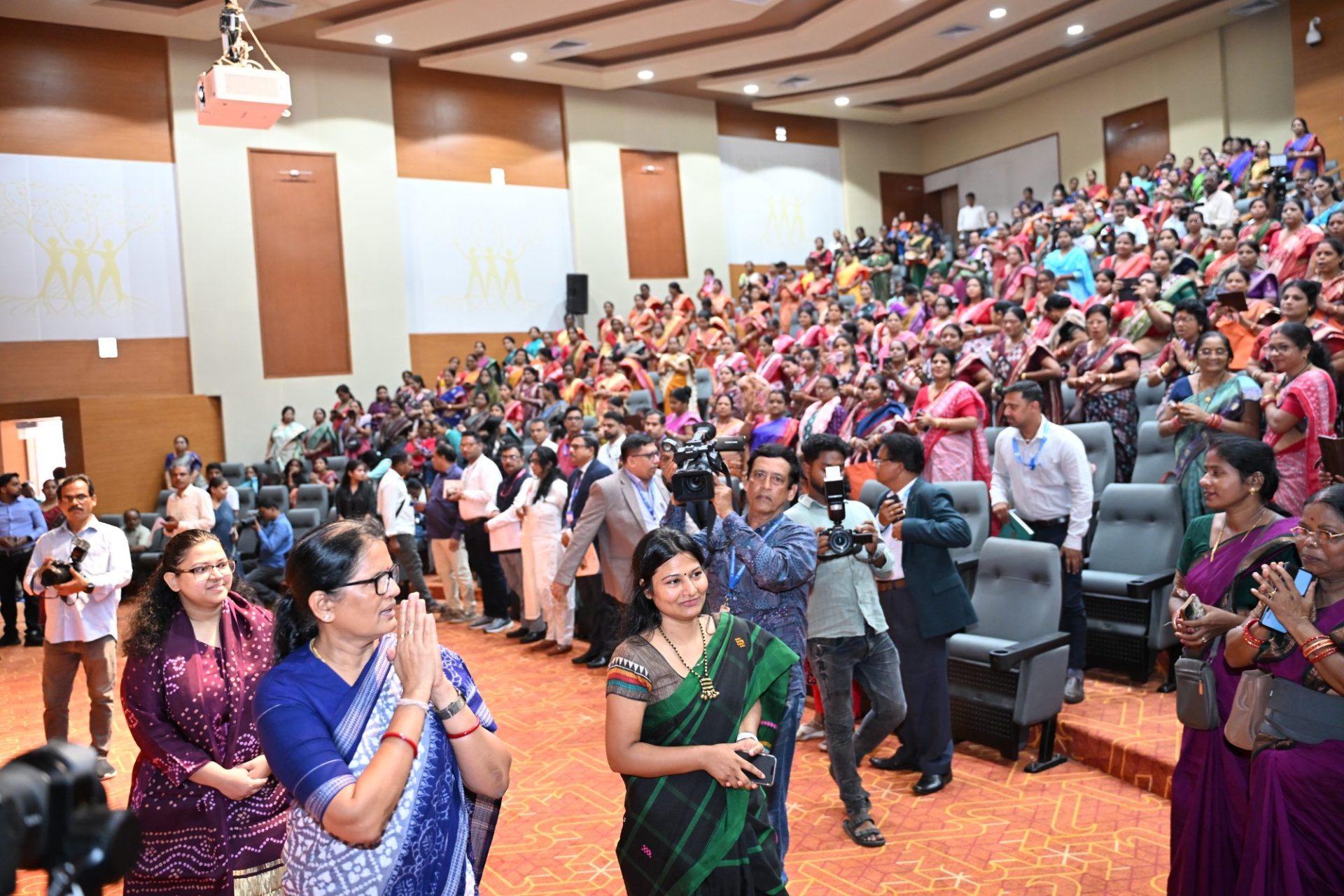
16.42 lakh (101%) Lakhpati Didi created during 2024-25. State government planned to create 25 Lakh Lakhpati Didi by 2027.
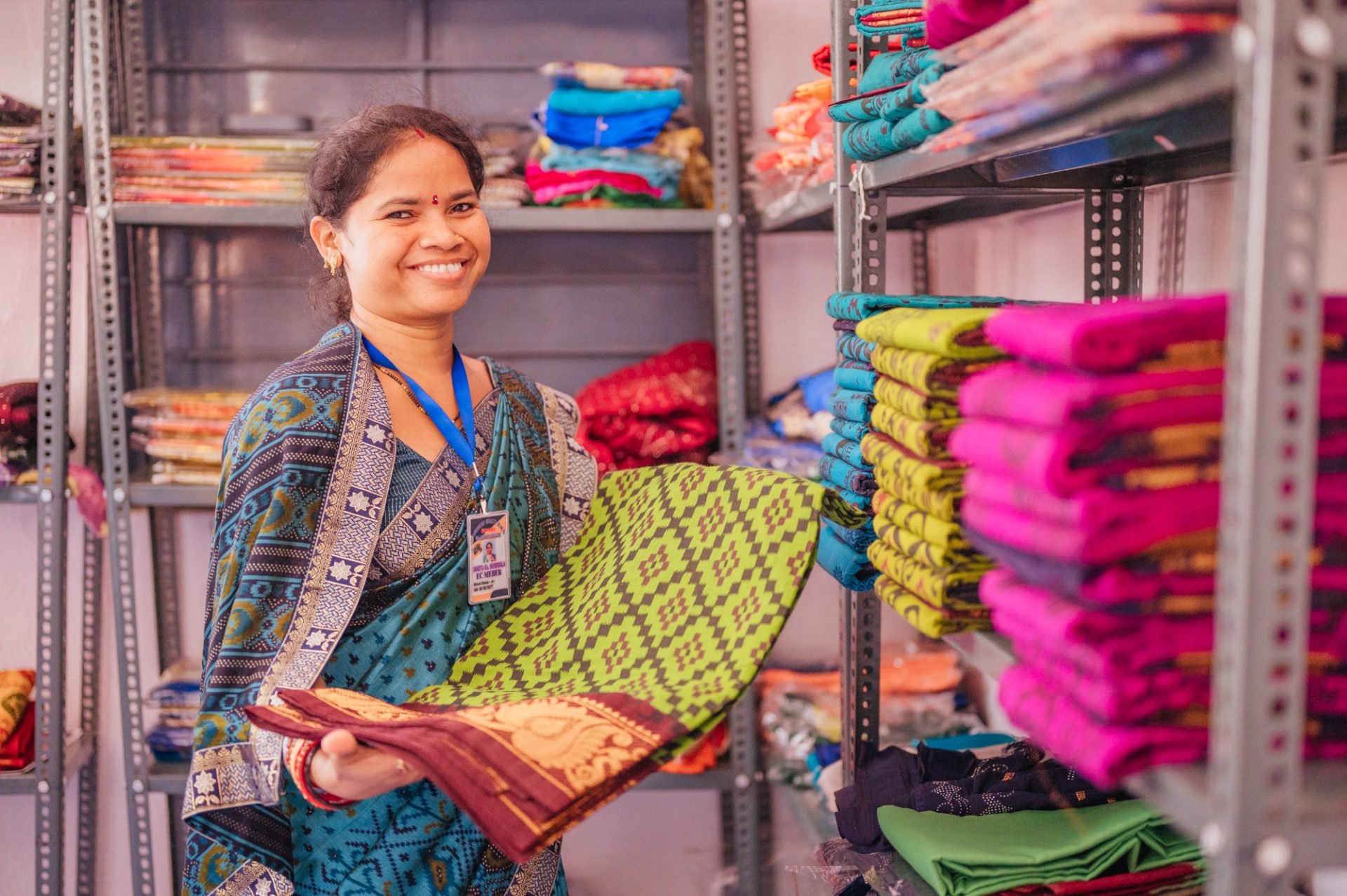
In order to achieve the target, the following steps have been taken by OLM:
Identification of Potential Lakhpati Didis (PLDs):
- HHs having more than one Livelihoods activities and of which at least one activity is related to either farm or non-farm activities.
- HH annual income is more than Rs 60,000/-.
- Preference is given to the HHs that have availed/benefited under DAY-NRLM’s farm and non-farm schemes.
Equal opportunity given to all categories of SHG members and HHs to be selected from all geographies.
Master Trainers created on Lakhpati Didi Initiatives to train the Aajeevika CRPs, who will train and provide handhold supports to the PLDs.
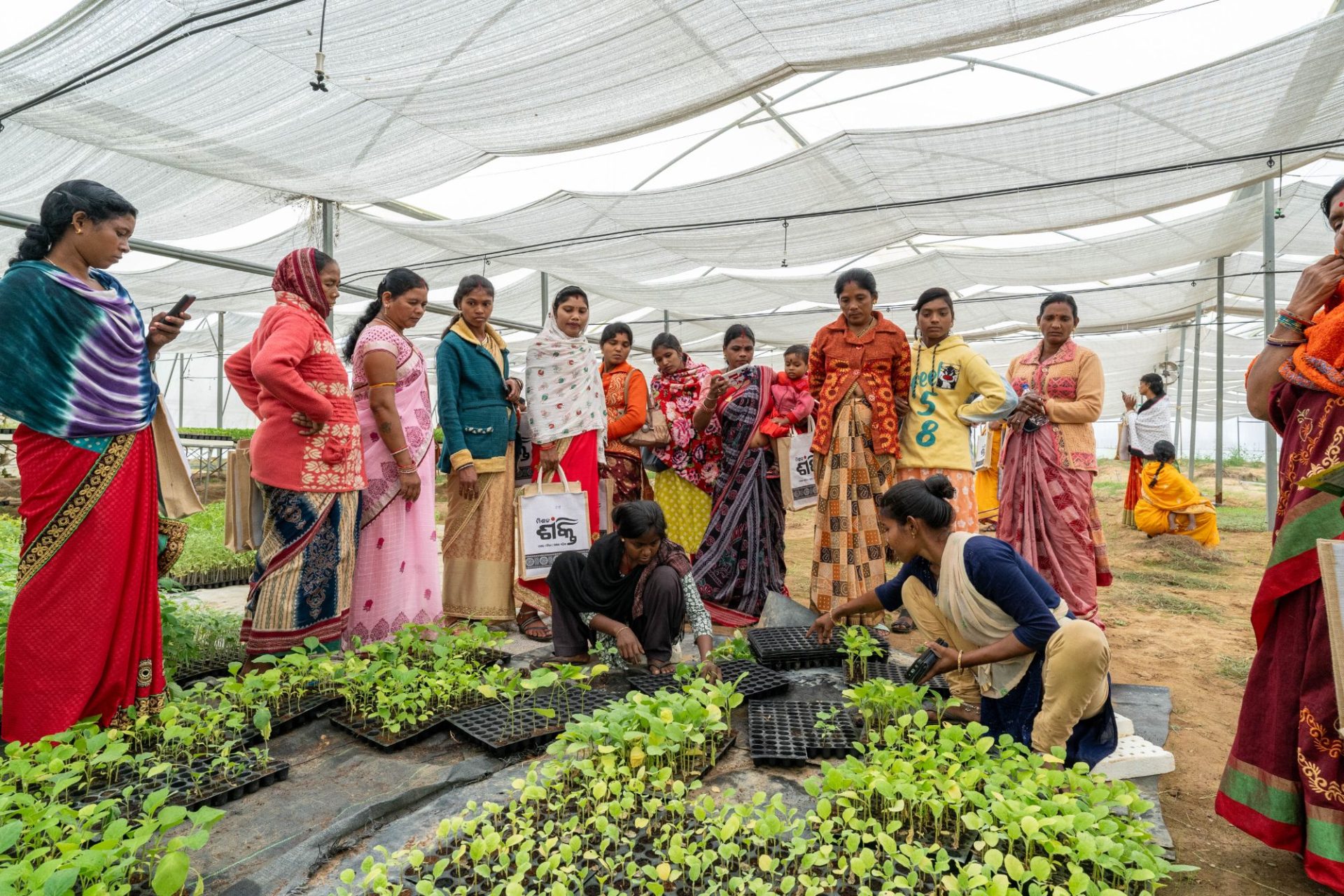
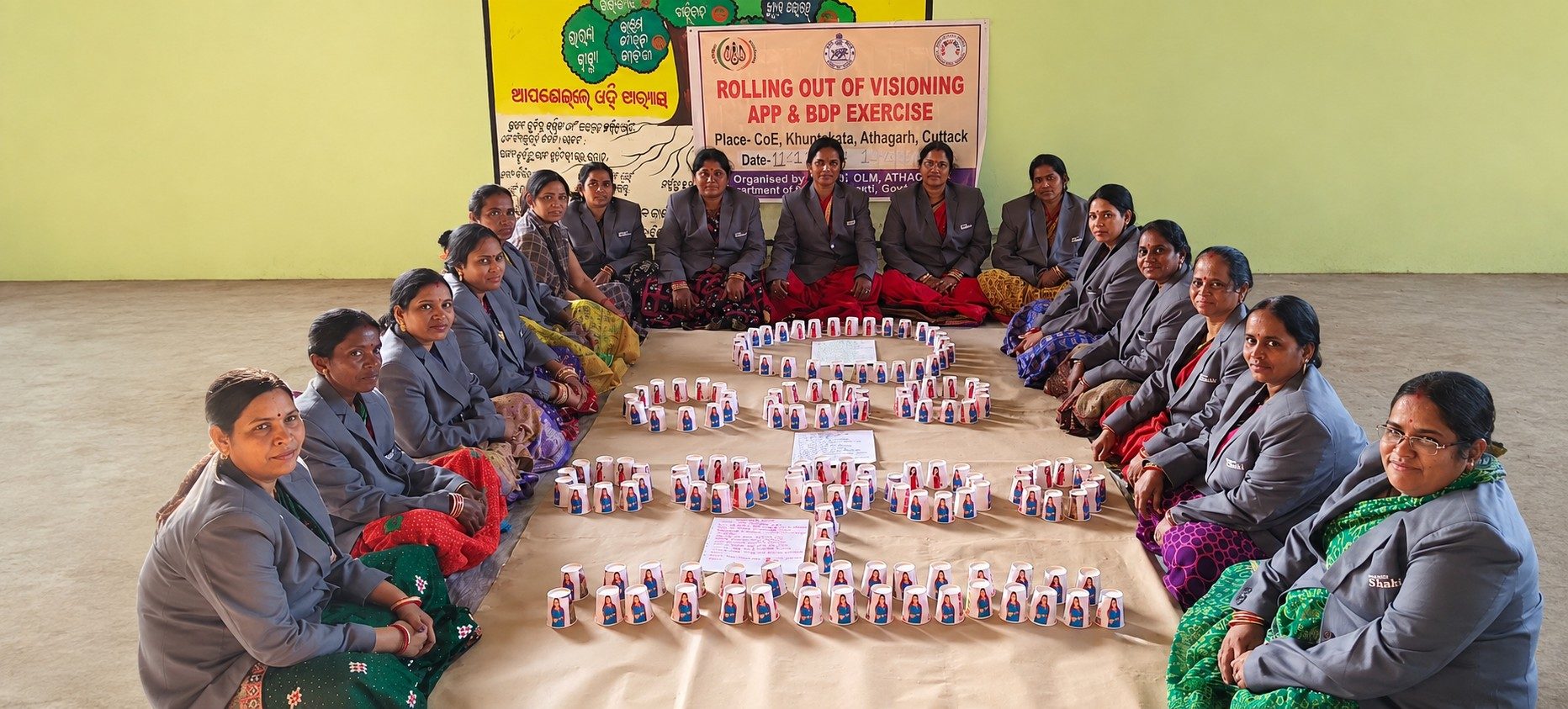
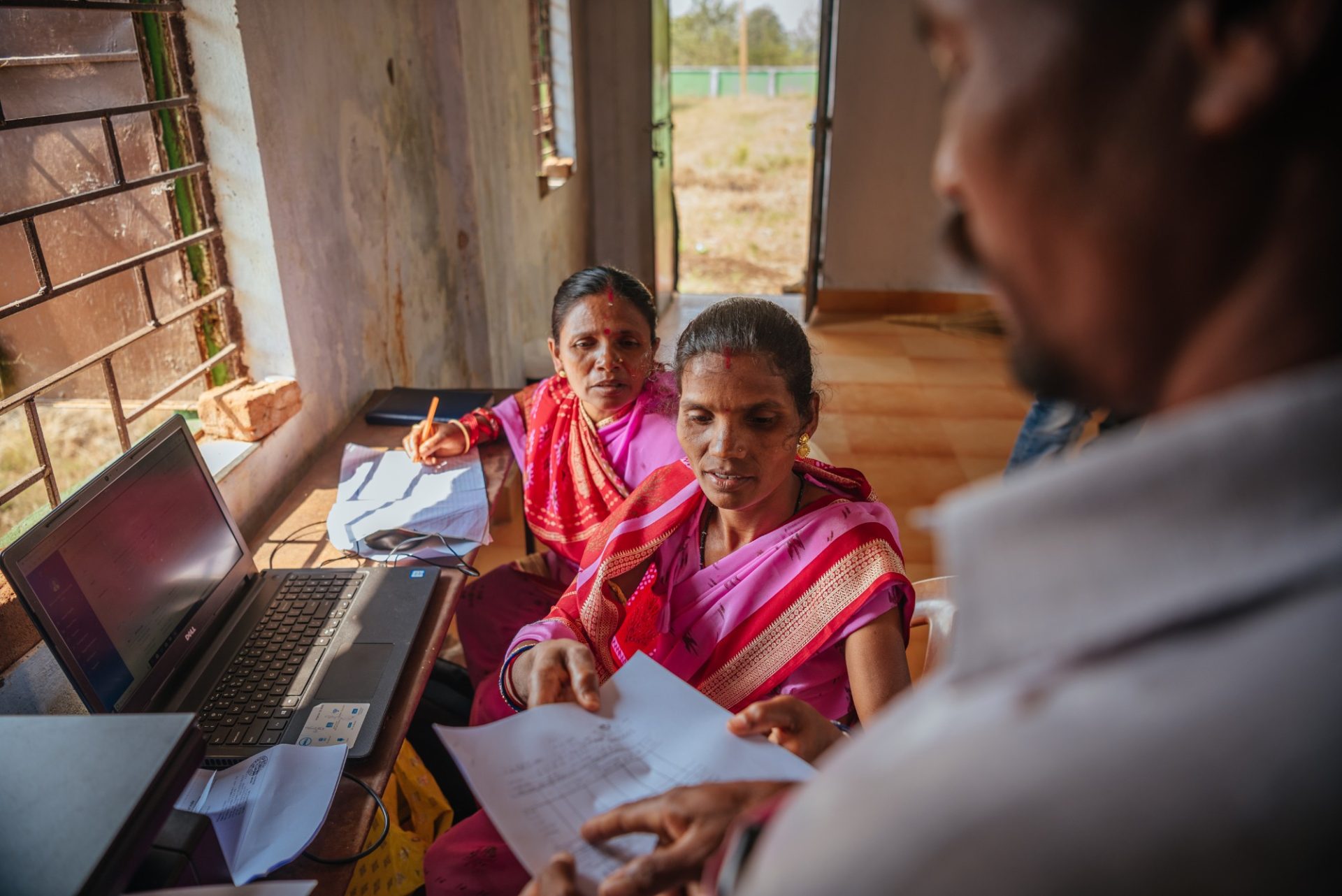
Potential Lakhpati Didis (PLDs) being trained on Lakhpati Initiatives, including preparation of Business Development Plan by Aajeevika CRPs and OLM staff.
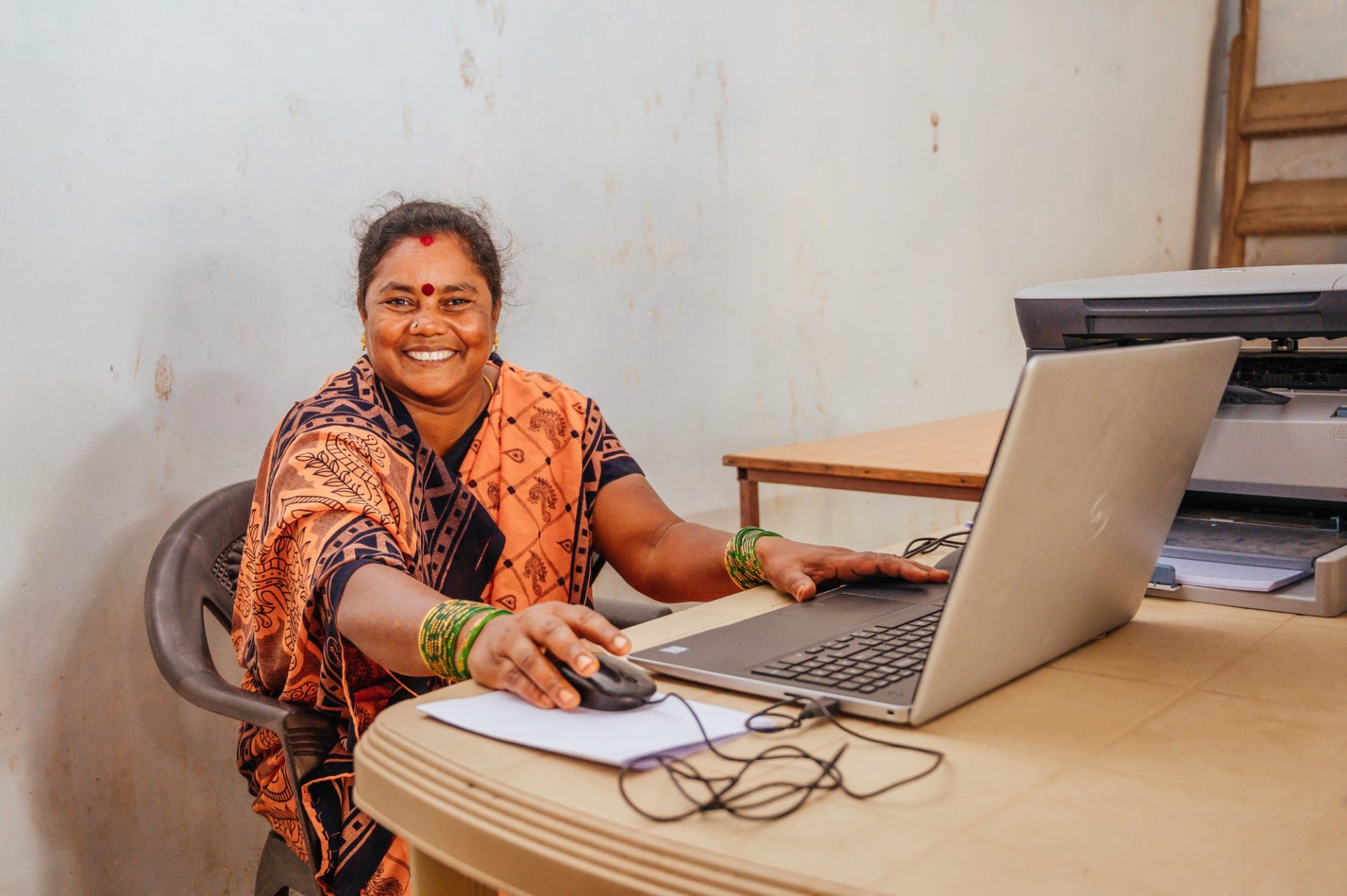
The income details (Quarterly basis) of the PLDs are being captured in the Digital Aajeevika Register (DAR) of LokOS Mobile App by the CRPs and approved by concerned Block Program Managers for reflecting their income status in MoRD LokOS Portal.
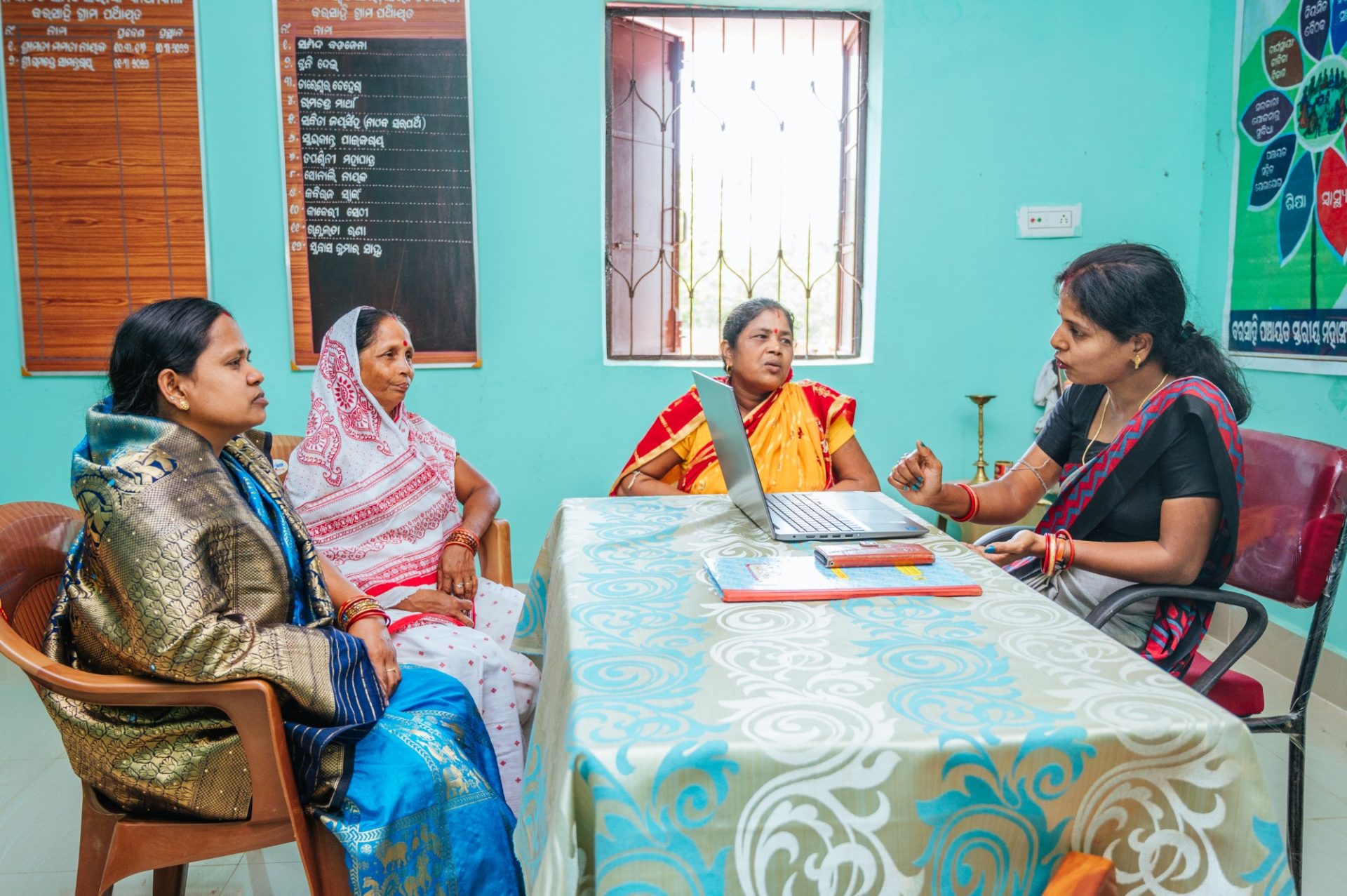
For facilitating the activities a State and District Level Steering committee on Lakhpati Didi have been formed with the chairpersonship of concerned Secretary and Collector respectively. OLM has formed the committee at both levels.
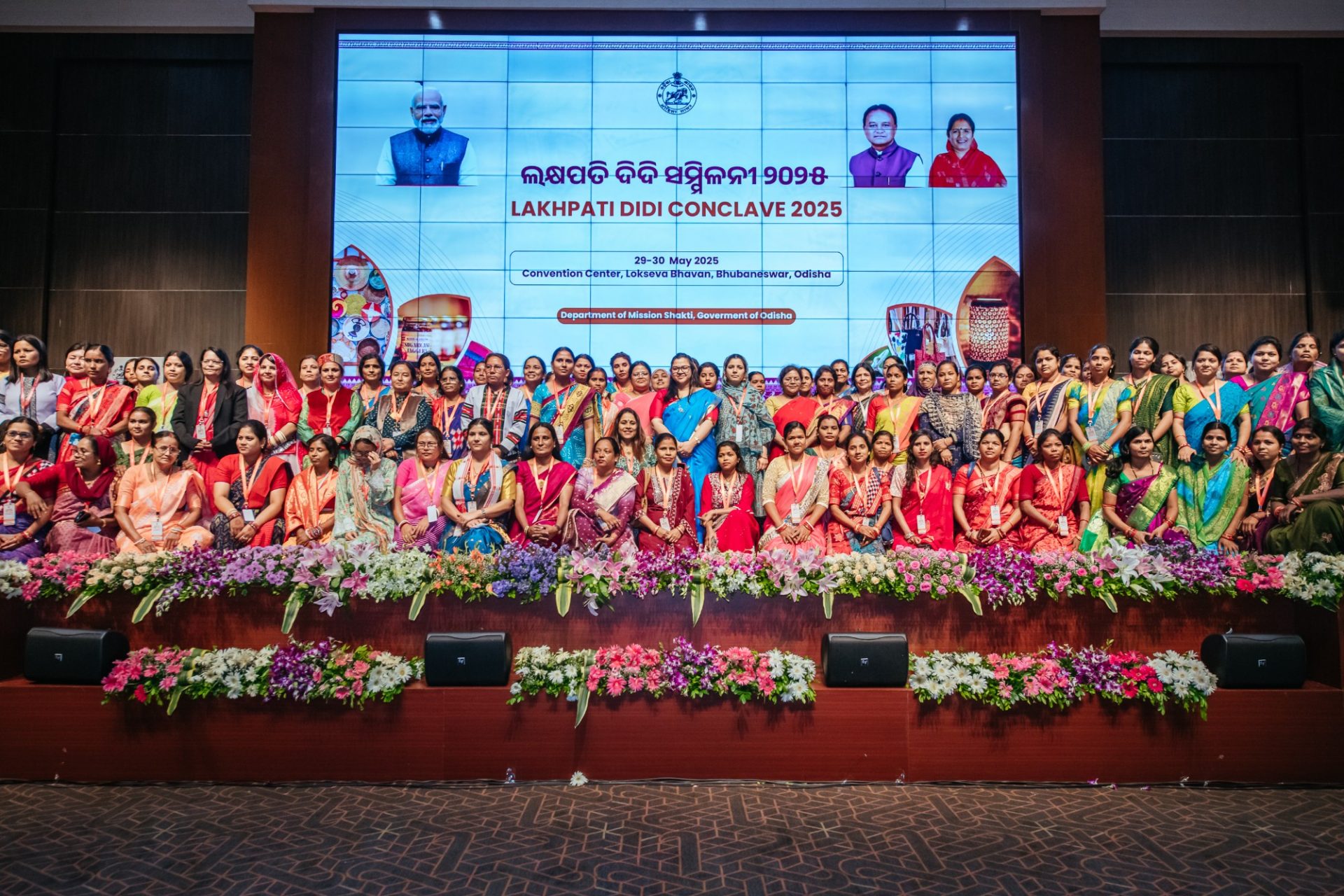
The objectives of the committees are as follows:
- Review the existing initiatives under DAY-NRLM for livelihoods enhancement and advice on strategy and roadmap for Lakhpati Didi initiative.
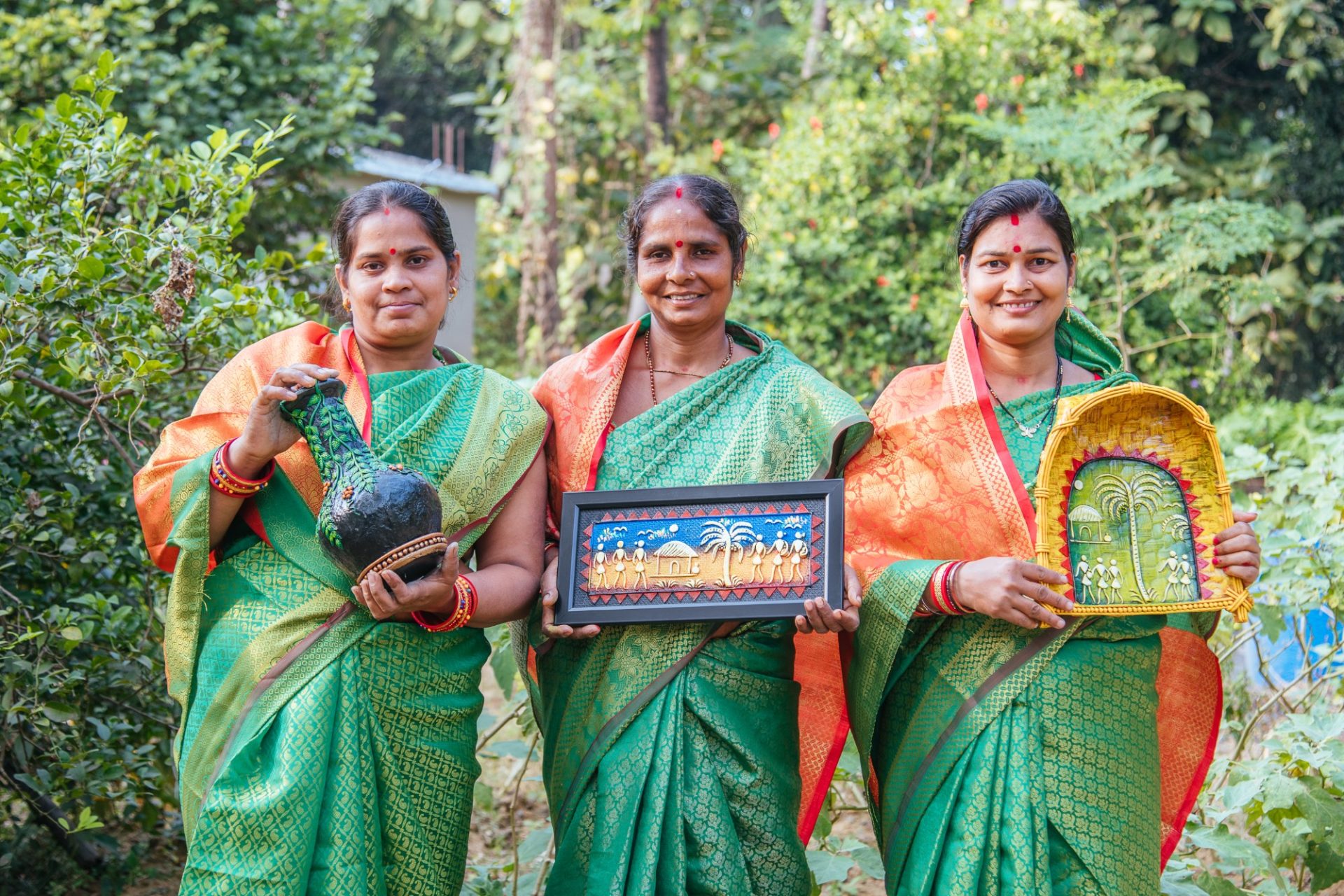
- Coordinate and ensure collaboration within the schemes of department of Mission Shakti and other relevant line departments for convergent effort.
- Recommend measures to effectively operationalise the Lakhpati Didi initiative.
- Review and guide in developing necessary knowledge and resource materials for capacitating the functionaries and stakeholders.
- Deliberate and give recommendations on matters relevant to the topic.
- Periodically monitor the progress of Lakhpati Didi initiative and take steps for accelerating the progress.
- Guide the Mission units in creating a robust monitoring framework and necessary MIS to track progress of the convergence and livelihoods initiatives.
- Review the monitoring reports, success stories and scalable models/solutions and recommend for scaling such efforts.
- Recommend for constituting various Specialist Groups/Sub-groups/task forces etc. as considered necessary and co-opt other members to the Steering Committee for specific inputs.
Role of State level Steering Committee:
- Policy Framework and System Alignment: To develop policies and align systems across the state to support the Lakhpati Didi initiative's objectives, the State Level Steering Committee has been constituted and the first meeting has been organized.
- Resource Mobilization for System Development:Secure resources for the development and maintenance of systems that support district and block level teams.
- Statewide System Coordination: Ensure consistency and coherence in systems across different districts to facilitate uniform support for CRPs.
- Monitoring and Evaluation Systems: Implement state-level monitoring and evaluation systems to assess the impact of these support systems on the program's success.
- Innovation and Best Practices: Encourage innovation in system development and share best practices across districts to continually enhance support to CRPs.
Role of District level Steering Committee:
- District Level Monitoring and Implementation: For better implementation of policies framed by the State Level Steering Committee and proper monitoring, the District Level Steering Committee has been constituted in all 30 districts.
- Information and Resource Flow Management:Establish efficient information and resource distribution channels to ensure Block level teams and CRPs are well-equipped.
- Developing Supportive Systems: Create and implement systems at the district level that facilitate the work of Block level teams and CRPs.
- Review of Livelihood Plans: Review the Livelihood plan prepared at CLF level and provide suggestions on the same.
- Feedback and Improvement Systems: Set up systems for collecting and analyzing feedback from Block level teams and CRPs to continually improve support mechanisms.
- Collaboration and Partnership Development: Foster partnerships with local NGOs, government bodies, and other stakeholders to strengthen support systems for CRPs.
- Technology Integration:Utilize technology to streamline processes and improve communication between district, block, and CRP levels.
For more details :
click here
LakhpatiDidi Booklet :
click here