More
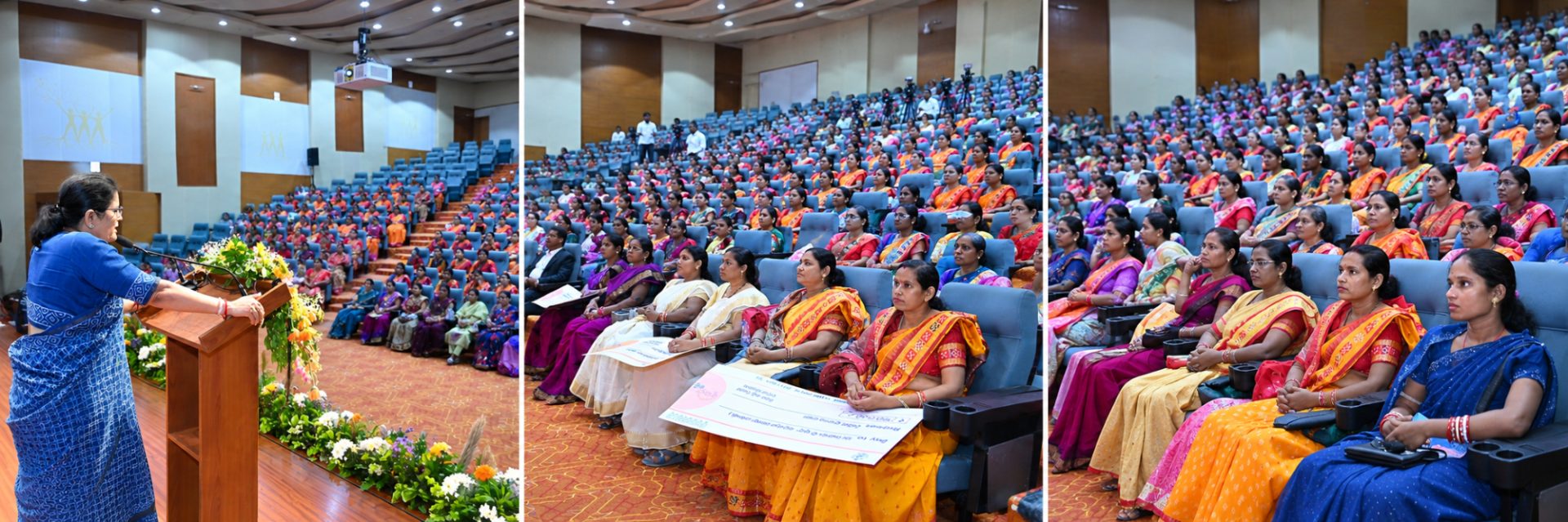
Social Inclusion & Social Development
Social Inclusion
- Inclusion of Person with Disability (PwD)
Recognizing the unique challenges faced by the PwDs, targeted efforts are being made to ensure their participation in social and economic development. All the identified PwDs are facilitated to become member in SHGs to enable different supports and services available under NRLM and also from other departments in convergence.
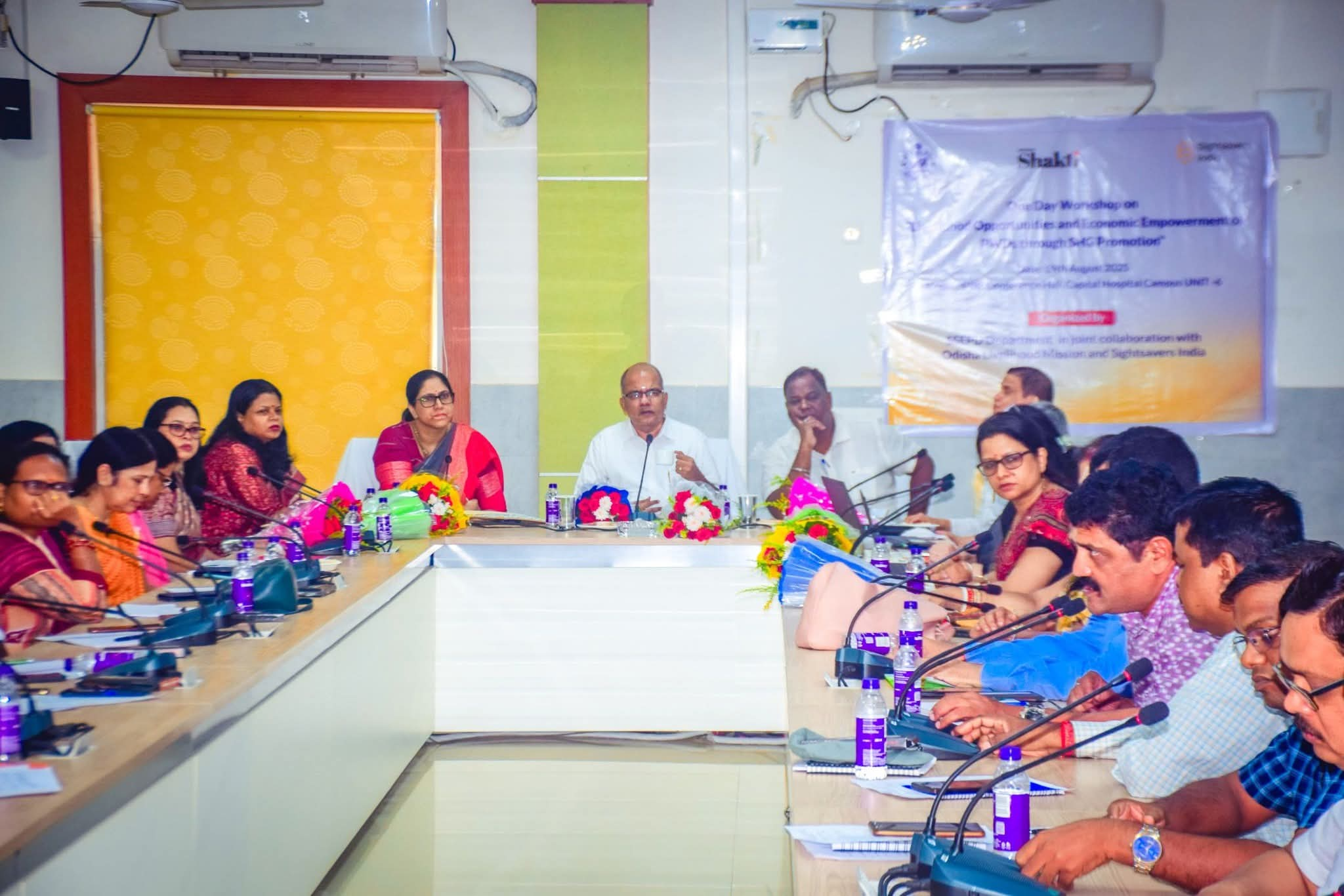
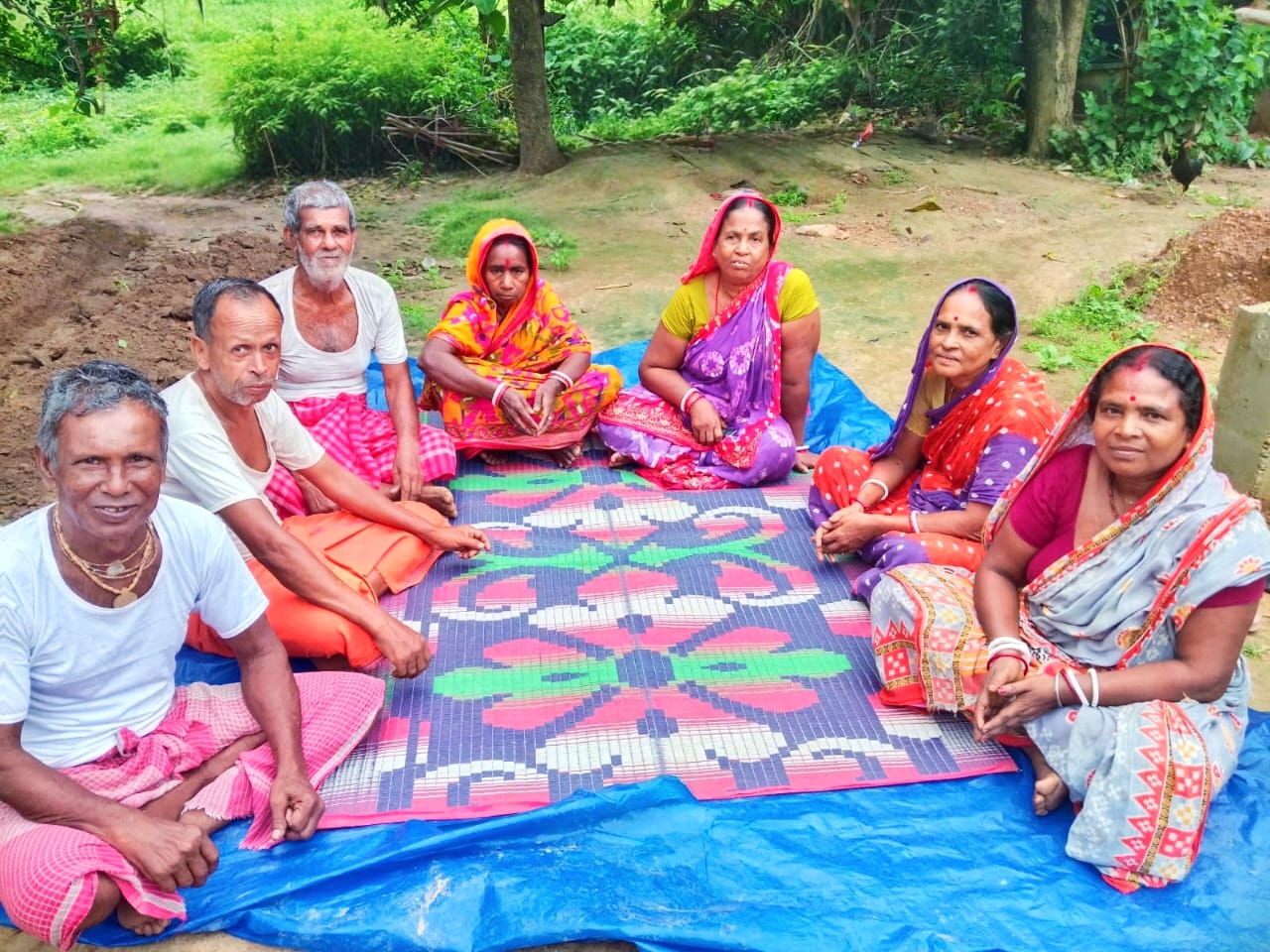
Village Prosperity & Resilience Plan (VPRP)
It is a comprehensive and inclusive community demand plan prepared by Self-Help Group (SHG) networks.
It covers four major components:
- Entitlements
- Livelihoods
- Public Goods, Services and Resource Development (PGSRD)
- Social Development Plans (SDP)
It serves as an important input for preparing the Gram Panchayat Development Plan (GPDP), ensuring that the process remains fair, transparent, and participatory.
social Development
Food, Nutrition, Health, and Wash (FNHW)
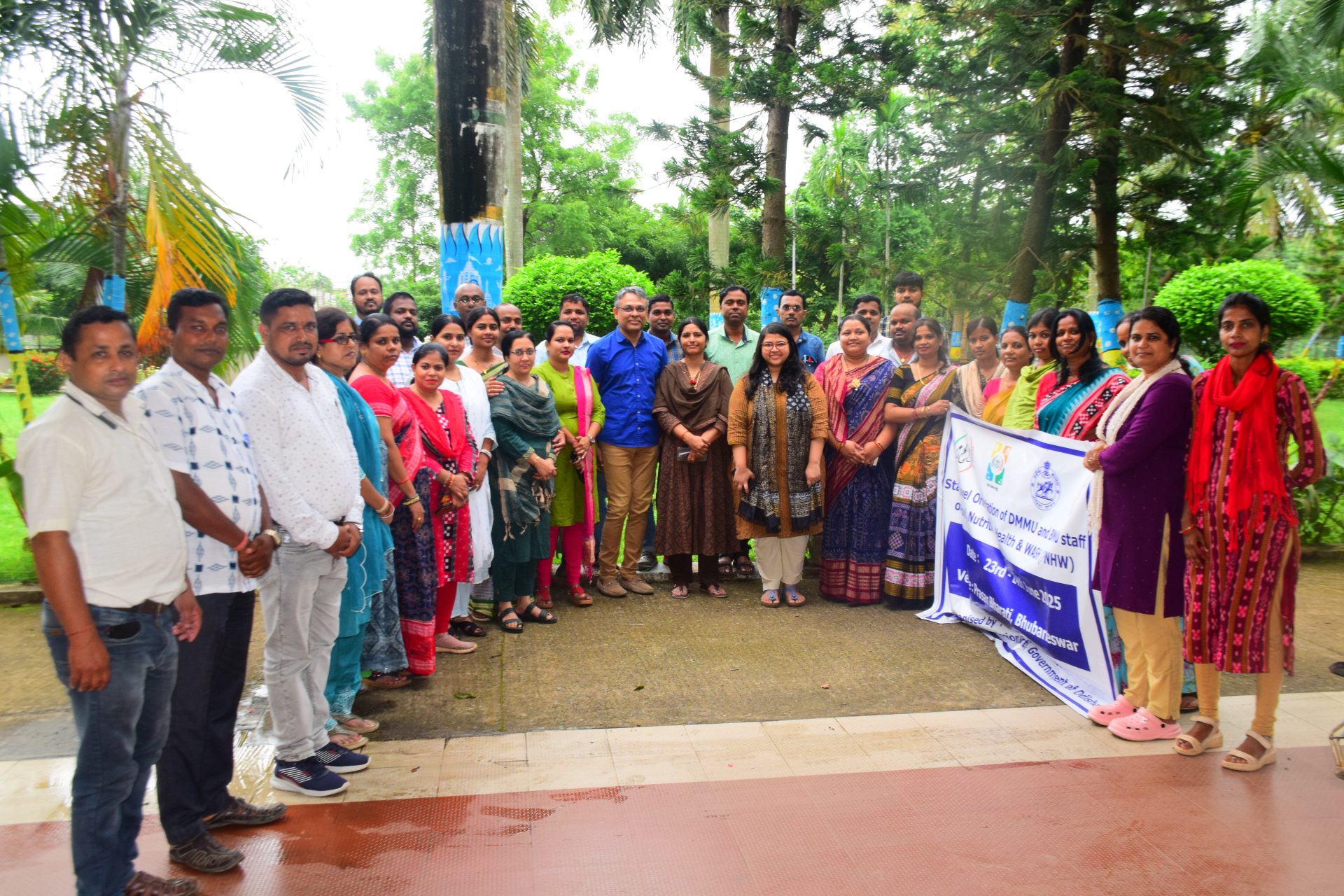
- It aims at improving health and nutritional status of women and adolescent girls through increasing service coverage and behaviour change communication. Two major strategies have been adopted under this programme i.e. system strengthening to fill gaps in service delivery, and community-led interventions to empower women and enhance service uptake. ...
WASH Financing
The Alternative Financing for WASH is a joint initiative by OLM, UNICEF, and Water.org that aims at empowering Women Self-Help Groups (WSHGs) with sustainable financing for long-term water, sanitation, and hygiene needs. It focuses on asset creation and retrofitting, sensitization on WASH importance, awareness campaigns, provision of low-interest WASH loans, and promotion of WASH-based enterprises to support livelihoods of the SHG members.
Promotion of Individual Household Latrines (IHHLs): The state has already declared itself Open Defecation Free (ODF). However, some newly formed households and those previously excluded remain without access to toilets. These vulnerable families require financial and community support to construct IHHLs. SHGs and their federations can identify such households, extend financial assistance, and monitor toilet construction to ensure saturation.
Retrofitting and Upgradation of Unusable/Dysfunctional Toilets: Many households possess toilets that are non-functional due to damaged structures, filled pits, lack of water connectivity, or incomplete construction under earlier schemes like TSC and NBA. These require retrofitting (converting single pits to twin pits, repairing superstructures, and ensuring water availability). OLM mobilizes community-level funds and institutional credit to support retrofitting efforts, helping households regain access to safe sanitation facilities.
Gender
Gender equality is a fundamental human right and a necessary foundation for a peaceful, prosperous, and sustainable world. Odisha Livelihoods Mission (OLM) addresses gender issues through community institutions by creating awareness on gender rights, preventing gender-based violence, promoting equal opportunities in leadership and decision-making, and strengthening institutional mechanisms like Social Action Committees (SAC) and Gender Justice Centres at the cluster and block levels to support women in distress.
Gender Transformative Model (GTM) implemented by Odisha Livelihoods Mission (OLM) with technical support from Project Concern International (PCI) India with an aim at empowering women Self- Help Groups (SHG) by addressing gender-based violence in private and public places and to improve access to entitlements and legal rights.
- GTM operates through a multi-pronged strategy that includes the Gender Self Learning Program (GSLP) to build awareness and solidarity, Gender Facilitation Centers (GFCs) for resource access, Gender Forums (GFs) and Social Service Committees (SSCs) to strengthen local capacity, and system-level engagement through convergence meetings and data-driven decision-making via mobile apps and dashboards.
- The gender related cases are addressed and solved with regular follow up by the gender forum and Gender CRPs ( G- CRPs ) through Gender Facilitation Centre established at GP level.